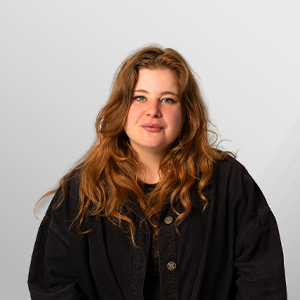
Expert quoted numerous times by Vice, Forbes, Tom’s Guide is entirely AI
There’s no sign of her work anywhere.

Image by Cybernews

 Follow us
- A Qwoted expert, Dr. Eleni Nicolaou, was found to be an AI-generated persona.
- Her AI-generated profile and comments appeared in major outlets, including Forbes, Vice, and Tom’s Guide.
- The supposed art therapist was linked to Davincified, an e-commerce site selling paint-by-numbers prints.
- AI detectors can help spot fake sources, but journalists still need to verify identities independently.
Key Takeaways by nexos.ai, reviewed by Cybernews staff.
An art therapist who has been quoted by media outlets like Forbes and Vice was banished from a journalist expert platform after it was discovered she wasn’t real.
Dr. Eleni Nicolaou was previously featured on the platform Qwoted as a source for journalists covering stories in her field of specialization.
While Dr. Nicolaou had been quoted by various established media outlets, including Forbes and Vice, the journalism news outlet Press Gazette uncovered the truth behind this persona.
Much of Dr. Nicolaou’s profile on Qwoted was AI-generated, from her profile picture to her “expert opinions,” and the outlet was unable to verify her identity.


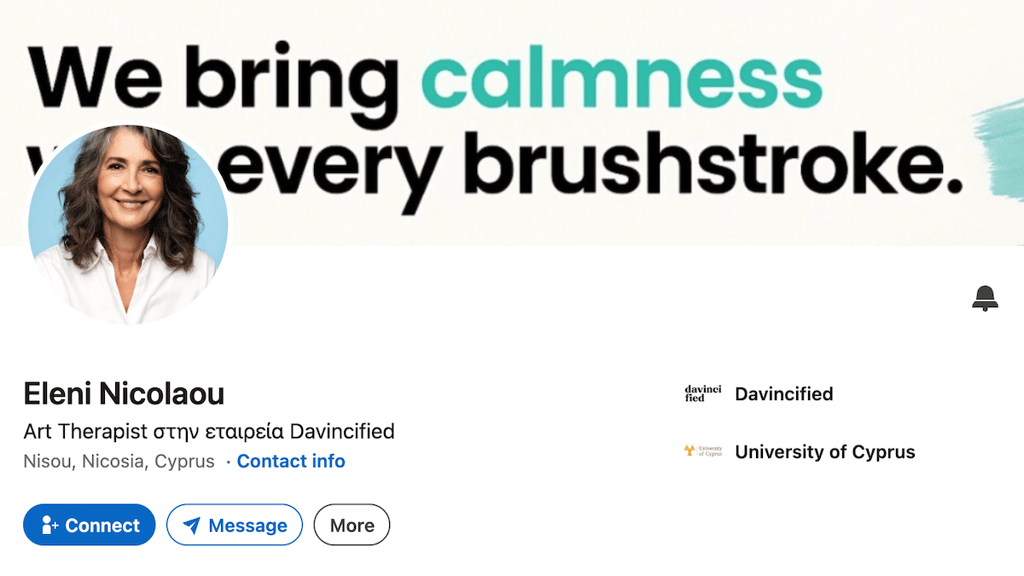
Comments from the alleged art therapist have cropped up over 30 times in recent months after being quoted by Tom’s Guide, Forbes, Glamour, Vice, Netmums, AOL, and Yahoo.
Dr. Nicolaou claims to be an art therapist at Davincified. However, Davincified is an e-commerce site that sells various paint-by-numbers prints.
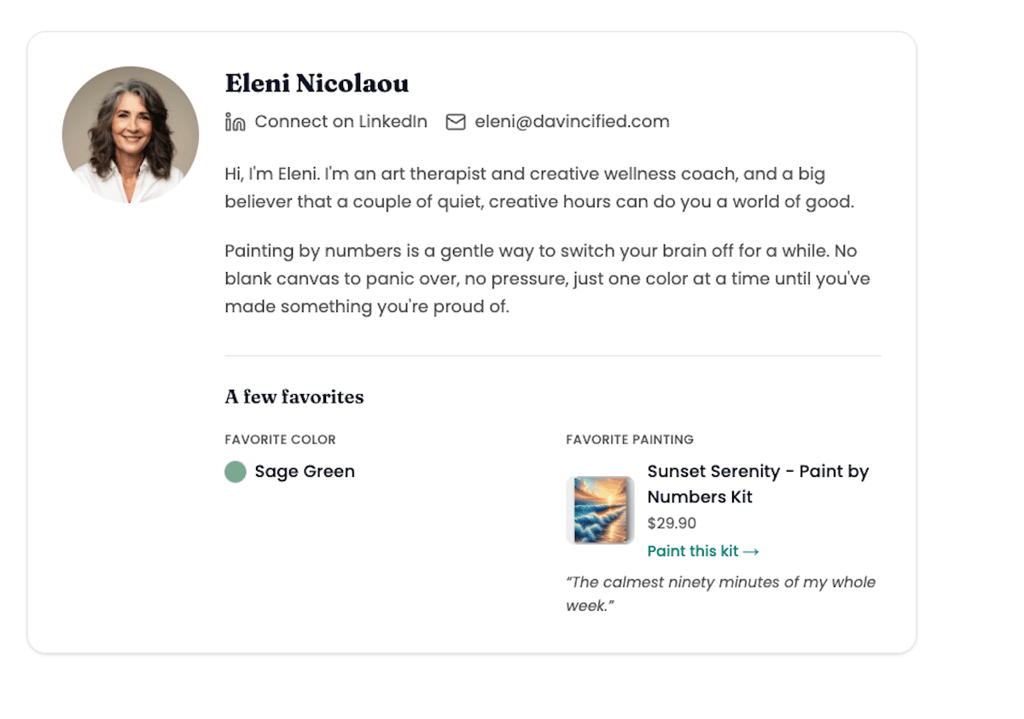
On Davincified, Dr. Nicolaou is described as an art therapist and creative wellness coach who is a “big believer that a couple of quiet, creative hours can do you a world of good.”
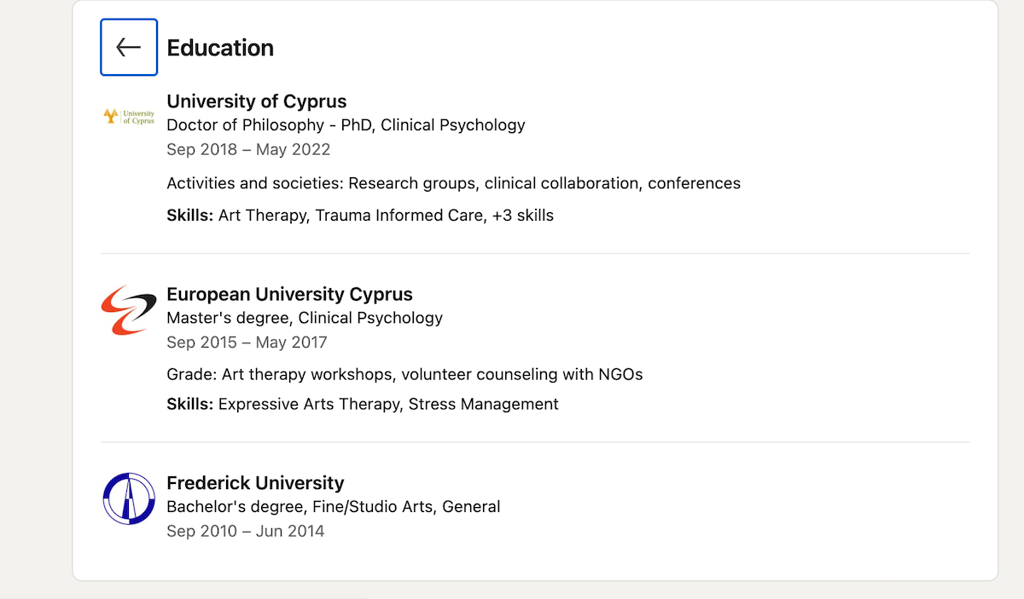
Dr. Nicolaou has her own LinkedIn profile, which claims she obtained her PhD in Clinical Psychology from the University of Cyprus and that she previously worked as a freelance therapist and wellness coach before supposedly joining Davincified almost 2 years ago.
Dr. Nicolaou even has her own Davincified email address, which Cybernews used to email the supposed AI persona.
On the surface, the Qwoted profile, coupled with professional profiles on platforms like LinkedIn, doesn’t raise any alarms, which is why this “expert” may have slipped under the media’s radar.
Cybernews has reached out to Qwoted for comment.
However, there are some telltale signs that the art therapist, her profile, and opinions aren’t genuine.



Stay updated with our latest stories and follow us on social media
Be the first to discover new stories, ideas, and updates from our team.
How to spot AI
In Dr. Nicolaou’s case, Press Gazette found that her profile picture scored a perfect 10 on the AI scale, and her written comments were deemed 100% AI-generated.
While platforms like Qwoted now have mechanisms that help journalists identify and report AI-generated sources, it’s harder to distinguish who is using AI to clean up copy and whose copy is entirely artificial.
There are telltale signs that someone has used AI to craft a text, a video, or even an entire person.
That’s why using tools like GPT-Zero and other AI detectors can be helpful when identifying AI-generated content.
However, these tools return various results in terms of accuracy, meaning that it's best to independently verify a source or piece of content by approaching the user or original poster.
One instance saw Meta’s detector misidentifying 55% of its own AI images after Reuters edited them.