Foreign AI must bend to Putin's "spiritual and moral values" or get out of Russia
Foreign AI tools such as Claude, ChatGPT and Gemini could be banned or restricted inside Russia if they fail to adhere to new rules that would give Moscow sweeping powers to regulate the sector, according to government proposals published online.

Russian President Vladimir Putin. Contributor/Getty.

 Follow us
Foreign AI tools such as Claude, ChatGPT and Gemini could be banned or restricted inside Russia if they fail to adhere to new rules that would give Moscow sweeping powers to regulate the sector, according to government proposals published online.
The proposals, published by Russia's Ministry for Digital Development, would bring AI under the same approach Russia has been using for the internet: keeping out foreign influence and making sure everything aligns with what the government calls "traditional Russian spiritual and moral values."
Russia's Ministry for Digital Development said in a statement that the new rules were designed to "help protect citizens from covert manipulation and discriminatory algorithms."
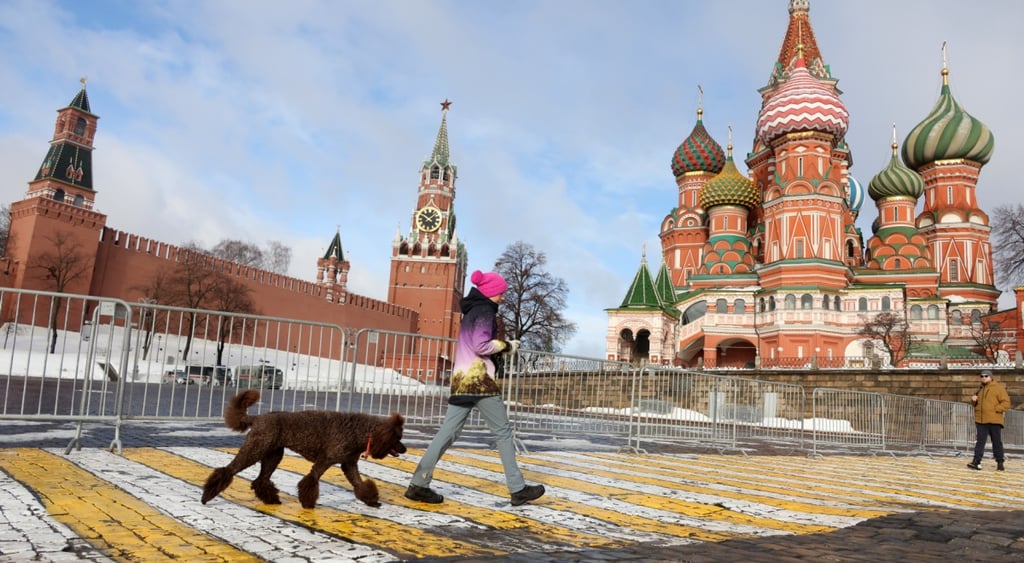
Russia moves to limit foreign AI, favoring domestic alternatives






The initiative is likely to benefit home-grown AI tools being developed by state lender Sberbank and technology group Yandex. It comes at a time when the Russian state is tightening state control over the internet.
The regulations are expected to enter into force next year after further review and government approval.
The state-run RIA news agency reported on Friday that foreign AI tools would fall under the new rules because they inevitably transferred the data of Russian citizens abroad.
"The operation of cross-border artificial intelligence technologies may be prohibited or restricted in cases specified by the legislation of the Russian Federation," the rules state.






"Cross-border artificial intelligence technologies refers to all foreign AI models, including ChatGPT, Claude and Gemini, where the use of such models results in user data, queries and dialogues being transmitted to the developers of these models outside Russia," RIA cited a specialised technology lawyer, Kirill Dyakov, as saying.
All three models mentioned by Dyakov were developed by US companies: OpenAI, Anthropic and Alphabet's Google, respectively.
Other foreign but open AI tools, such as China's Qwen or DeepSeek, could however be safely adapted and rolled out in a closed environment on the proprietary infrastructure of Russian government organisations and companies, Dyakov said, since any data processed would remain within that infrastructure.
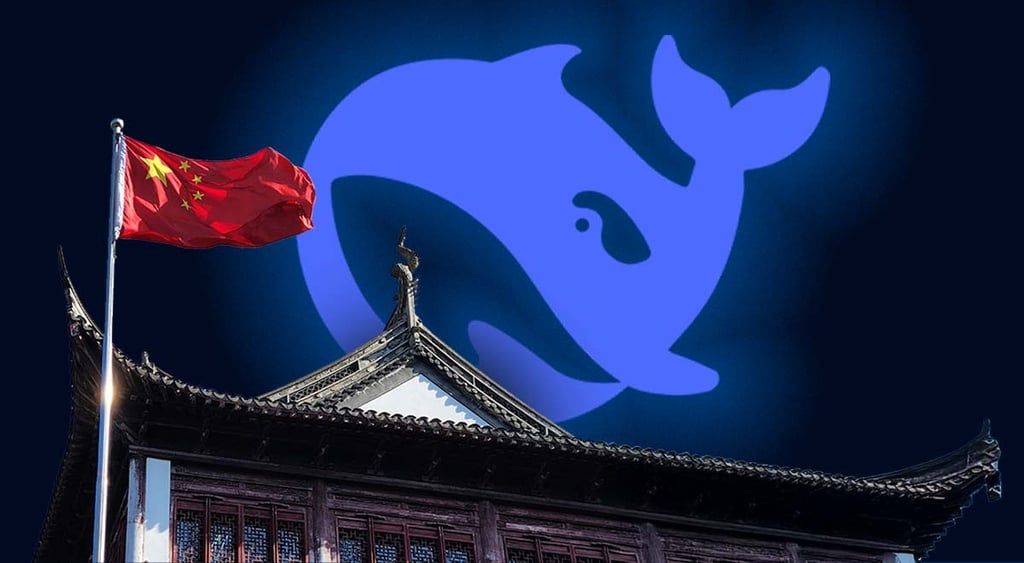
RIA said AI models used by more than 500,000 people per day would need to store Russian user information on Russian territory for three years to be compliant under the new regulatory regime. Western tech companies have in the past refused to comply with such demands.
Cybernews has previously reported on Russia's escalating internet restrictions and their real-world impact. As Moscow has blocked access to major foreign platforms and services, Russians have increasingly turned to workarounds including VPNs and even paper maps as alternatives to restricted digital navigation tools.
The Cybernews community is talking about this. Be a part of the conversation.
The proposed AI restrictions follow a pattern of Russia blocking foreign social media and messaging platforms in recent years. In March 2022, Russia banned Facebook and Instagram after designating Meta as an "extremist organization," and has since restricted access to X.
In February 2026, the Kremlin escalated its crackdown by blocking WhatsApp and moving to restrict YouTube, pushing users toward state-backed alternatives like the Max messenger app. Other platforms including LinkedIn, Discord, Snapchat, and FaceTime have also been banned or heavily restricted.
Strong password generator

Unlock more exclusive Cybernews content on YouTube.