Moscow residents turn to pagers and paper maps as week-long internet blackout continues
Moscow residents are now using pagers, walkie-talkies and paper maps after a week-long internet disruption continues. It’s not only digital control and surveillance in Russia that’s raising concerns. It’s how to stay connected.
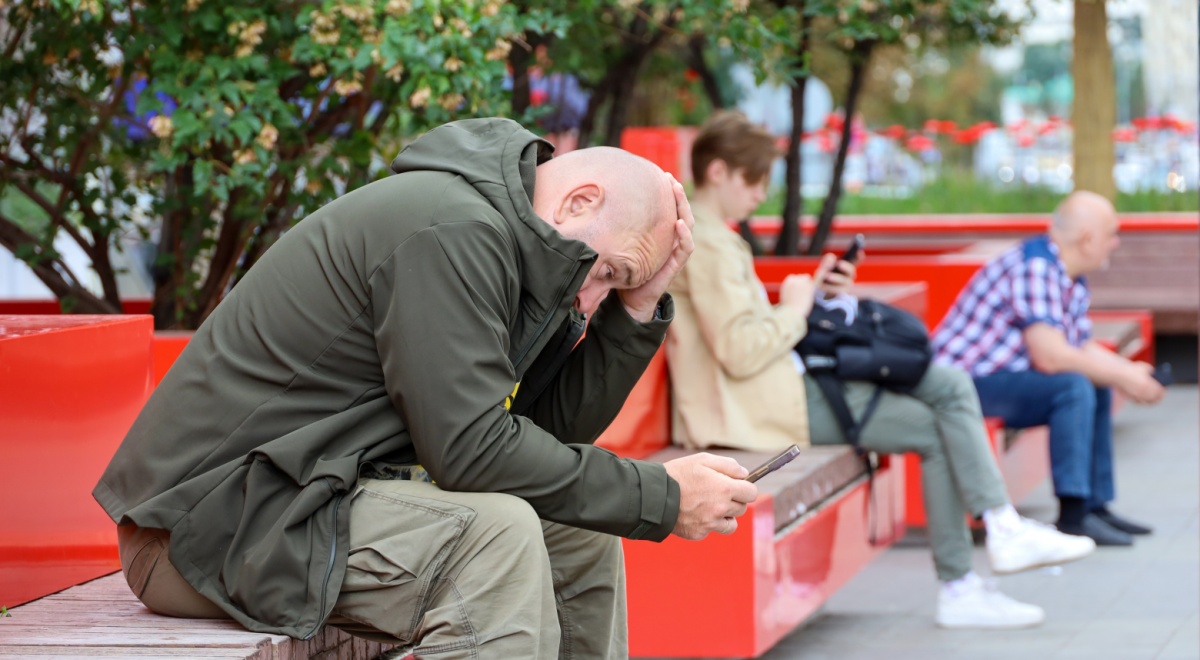
People using smartphones sitting on city street, Moscow, Russia, 2025. Oleg Elkov/Shutterstock.

 Follow us
Moscow residents are now using pagers, walkie-talkies, and paper maps as a week-long internet disruption continues. It’s not only digital control and surveillance in Russia that are raising concerns. It’s ways to stay connected.
- Moscow residents are reverting to analog technology during a week-long internet blackout, with pager sales up 73% and paper map sales up 170%.
- Businesses face massive financial losses, with taxi services, delivery companies, and online retailers potentially losing €11–12 million daily.
- The Kremlin cites security concerns related to the Ukraine war, but critics suspect it's a test for tighter government internet control.
Key Takeaways by nexos.ai, reviewed by Cybernews staff.
That old drawer with old electronics that somehow survives every major home clean-up? It’s now open in Moscow residents’ homes.
According to major Russian online retailer Wildberries, which was cited by TVP, sales of pagers in Moscow rose 73% in early March. In the meantime, purchases of handheld radios and landline telephones jumped by more than a quarter.
Even the old-fashioned road maps are making a comeback, their sales have gone up 170%. Folding maps are not far behind too, they sell 70% better than before the internet blackout as people are now forced to navigate one of the largest capital cities in the world without online maps.




While for some this old tech come-back might bring back some sentiments, businesses that rely on operating online aren’t happy with the situation.
Taxi services, delivery companies and online retailers might end up losing a billion roubles per day (that’s around €11–12 million) due to not being able to reach their target customers.

Kremlin spokesman Dmitry Peskov said the mobile internet limitations had been introduced to ensure safety during ongoing attacks linked to the war in Ukraine and would remain in place for as long as necessary.
However, the regime critics believe the blackout may be a test for new systems that are designed to tighten government’s oversight of the internet.
Since Russia’s invasion of Ukraine in 2022, Russia has made several steps to impose limitations on American tech products. For example, one proposal reportedly under consideration involves a so-called “whitelist” model, which would grant access to those websites and services that are government-approved.
Cybernews has previously reported that Kremlin had completely blocked US messenger app WhatsApp, millions of major websites protected by Cloudflare, Apple's video-calling app FaceTime, even Instagram, and others.
Most of the times, the reason cited by Russian official, is that the companies do not comply with Russian law and fail to ensure the protection of citizens, sometimes with mentions of potential terrorism threats, like in the case of Telegram.
While the most popular social media and messaging services are being restricted or banned altogether in Russia, the country’s authorities have promoted the use of a government-backed “super-app" MAX. Kremlin has encouraged citizens to switch to the platform as an alternative to foreign services.
Last year, Kremlin said that MAX will be on the list of mandatory pre-installed apps on all gadgets, including mobile phones and tablets, sold in Russia from September 1st.






Unlock more exclusive Cybernews content on YouTube.