How AI folk singer Nava is striking a chord in Iran
With catchy songs that fuse French folk with traditional Persian music, the young artist Nava_null has become a symbol of hope and resistance for millions of Iranians. But unlike real-life performers in Iran, she cannot be arrested or silenced – because she exists only in the virtual world.
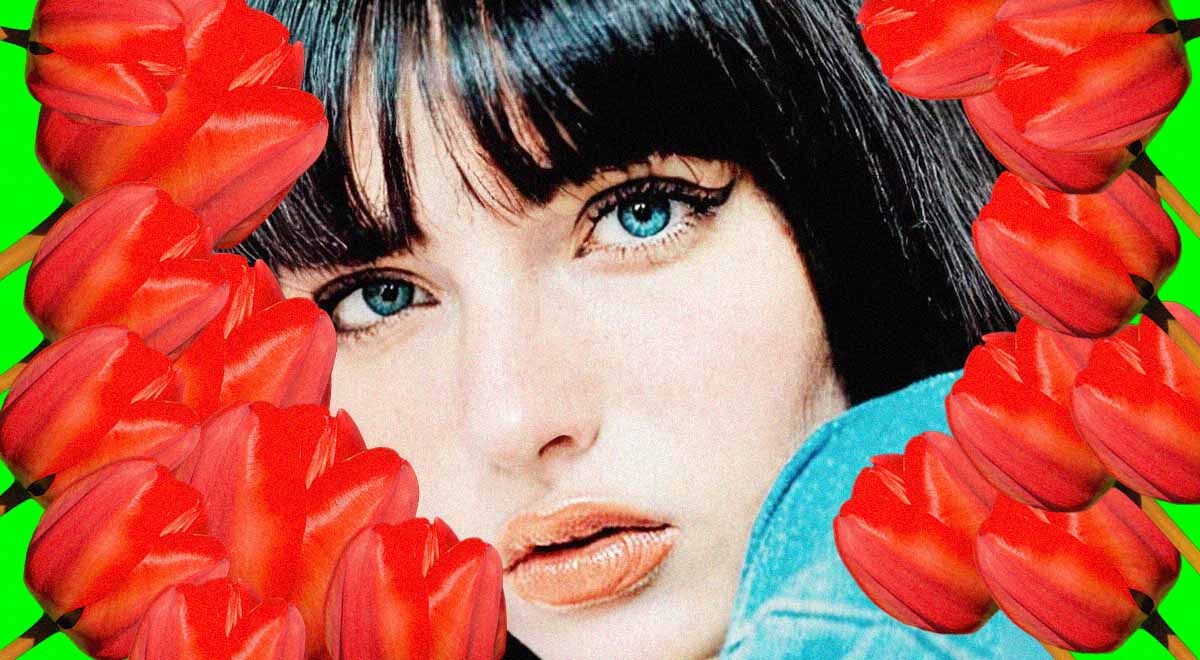
Image by Cybernews

 Follow us
With catchy songs that fuse French folk with traditional Persian music, the young artist Nava_null has become a symbol of hope and resistance for millions of Iranians. But unlike real-life performers in Iran, she cannot be arrested or silenced – because she exists only in the virtual world.
Since Iran’s crackdown on anti-regime protests and then the US-Israeli air assault, the AI-generated chantress’s lyrics, which express hope that sacrifice will lead to a better future, have reportedly hooked Iranians everywhere.
One track in particular, Javanan-e Vatane (“Youth of the Homeland”), which features lyrics by the 20th-century poet Aref Qazvini, is fast becoming an anthem of resistance to authoritarian regimes, as the artist sings, “From the blood of the youth, tulips have bloomed.”
The haunting song has been viewed 13m times on Instagram, and Nava has racked up 734,000 followers in six months.

The artist’s Spotify following is also gaining traction, pulling in 88.2K monthly listeners, placing Nava in the same realm as a popular underground band, a specialized artist, or a "one-hit-wonder" song receiving a lot of playlist traction.
Geometry-meets-AI-meets-Iranian mysticism
The creator behind the AI sensation is Iran-born Farbod Mehr, a UK-based graduate of London’s Central Saint Martins College of Art, who has worked on research projects for Google DeepMind and has sold digital works at top auction houses.
Mehr’s work has been described as a combination of “geometric forms with Iranian mysticism” and he reportedly created the synthetic sensation to represent Iranian women, who are forbidden by law from singing in public.
The 34-year-old added that Nava’s face was created from three image sources: photos sent by his followers representing modern Iranian women; portraits of Qajar-era women [from the 1800s to 1920s, when strict social rules limited women’s public roles and freedoms]; and women featured in traditional Iranian paintings.
Mehr told BBC Click, in an interview published in October, that he blended these datasets, generating many versions until Nava’s face came together.
He then gave her distinctive features, like a fringe and light-colored eyes, to make her stand out and connect with audiences on social media.
Nava’s persona reveals a life beyond music, as she walks around London and travels to other countries.
Nava on tour
In hologram form, the virtual singer has even duetted with (real-life) Persian rap pioneer Mehrad Hidden at a concert in Dubai. This April, Nava will debut in the Americas with gigs in Washington and Toronto, alongside human DJs.
In just six months, Nava has become an internet sensation – with 70% of traffic, according to Mehr, coming from within Iran, despite an internet blackout there.
The artist attributes the singer’s early success to his creative vision, without which, he claims, the technology is largely redundant.
“This project is driven by my rare mix of cultural artistry and AI expertise…This isn’t just a viral story. It’s a cultural statement – about identity, tradition, and the future of music.”
In a LinkedIn post, he added: “99% of AI influencers fail within their first month. Not because the tech doesn’t work. Because the thinking does. The models are free. The tools are everywhere. Anyone can generate a face. What’s rare is taste.”
And yet, while Nava’s genre-blending sound and inspirational lyrics are creating legions of fans, when the singer launched six months ago, its creator could not have predicted the songs would resonate so powerfully with Iranians in early 2026.
Sometimes a good song becomes a great one when it captures the zeitgeist.
Nava's success also comes as other synthetic stars emerge, including AI actor Tilly Norwood, whose creators recently released a flamboyant music video celebrating AI and the future of digital performers.
Unlock more exclusive Cybernews content on YouTube.