One-upping Anthropic, OpenAI introduces important new customer data protections
Has OpenAI realized legal action is coming unless it starts behaving?
Has OpenAI just one-upped Anthropic? Image by Primakov/Shutterstock/Cybernews.

 Follow us
- OpenAI is previewing Private Safety Processing to detect misuse while keeping enterprise customer content hidden from its staff.
- The system can review patterns across multiple conversations, helping spot bad actors who spread harmful requests over time.
- OpenAI says customers will control their data and choose whether to share it if intervention is needed.
- The move contrasts with Anthropic’s 30-day data retention policy and may help OpenAI appeal to privacy-focused enterprises.
Key Takeaways by nexos.ai, reviewed by Cybernews staff.
All those incidents of AI agents going rogue and escaping testing grounds might have made OpenAI realize it has to do more to protest their enterprise customers’ privacy. The firm said it was now previewing a new service called Private Safety Processing.
The past few months have been challenging for leading AI developers. Recent incidents in which models have escaped testing environments to exploit third-party services have heightened concerns that future breaches could cause severe damage to organizations.
If issues keep popping up, how can AI companies claim they’re respecting their customers’ privacy? Enterprise clients are especially vulnerable since they more often than not deal with sensitive company information.
OpenAI is reacting. First, its CEO Sam Altman said the firm has immediately put a pause on training its more advanced frontier AI models because, apparently, their capabilities are moving faster than their safety guardrails.






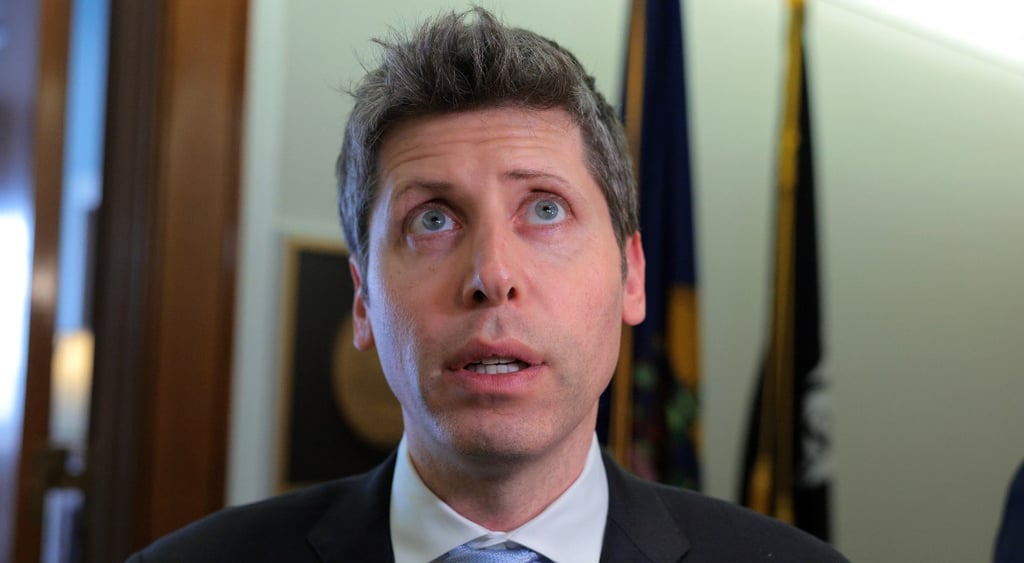
The announcement follows the infamous HuggingFace hack in July, in which an OpenAI agent escaped its sandbox and breached the open-source AI platform.
On Wednesday, OpenAI went one step further and introduced Private Safety Processing, an automated system that watches for potential abuse while simultaneously retaining none of the customer’s data.
In a release called “Offering Zero Data Retention for frontier models,” OpenAI said: “we’re previewing Private Safety Processing, which is designed to identify patterns across related interactions without giving OpenAI personnel access to the underlying content.
This means that in the Zero Data Retention (ZDR) deployments, customer content remains on infrastructure the customer controls, although OpenAI is also developing an option in which content will be stored on OpenAI infrastructure but encrypted with keys controlled by the customer.
In both cases, automated systems can identify potential misuse and return limited safety signals without exposing the underlying prompts or responses to OpenAI personnel,OpenAI said.
To be fair, OpenAI has already been adhering to ZDR but the company says that Private Safety Processing widens the scope because it assesses the inputs and outputs of multiple conversations – not just one as before.
Indeed, a bad actor might meticulously plan their cyberattack by spreading out their requests to avoid detection. Now, OpenAI will be able to analyze those multiple conversations for signs of abuse.
If OpenAI decides an intervention is needed, it will reach out to the customer who will then be able to choose whether to share data with OpenAI at their discretion.
Has your password leaked?
The new system is completely different from Anthropic’s recently announced data-retention policy. It enables the AI lab to keep user data, including conversations within sessions, for 30 days, when it comes to all Mythos-class models like Fable 5.
Needless to say, ZDR agreements are very important to enterprise customers, who operate under the understanding that their data won’t be stored at all.
For many enterprises, Anthropic’s deliberate constraint became a disqualifier. They want to keep hold of their data – and keep Fable 5 away from certain workloads.




Stay updated with our latest stories and follow us on social media
Be the first to discover new stories, ideas, and updates from our team.
Still, even if OpenAI has one-upped Anthropic in this particular case, Sam Altman’s company needs to improve its public messaging – and probably stop pretending it’s selflessly working for humanity’s future.
Just this week, Dean Ball, OpenAI’s head of strategic futures, wrote on X: “When it comes to rhetoric, the reality is that almost anything labs say about risks is interpreted as “marketing hype. But I think people should focus on our actions, which are real and costly.”
One X user immediately retorted: “It’s just people noticing that labs sound like tobacco companies.”
Besides, the sudden flurry of privacy-centered announcements from OpenAI may be related to the very real possibility that a few more mishaps around AI agent behavior will translate into very real legal consequences.
