OpenAI CFO: “Don't let your own insecurities hold you back”
An OpenAI executive speaks on why the company is withholding a major AI model release.
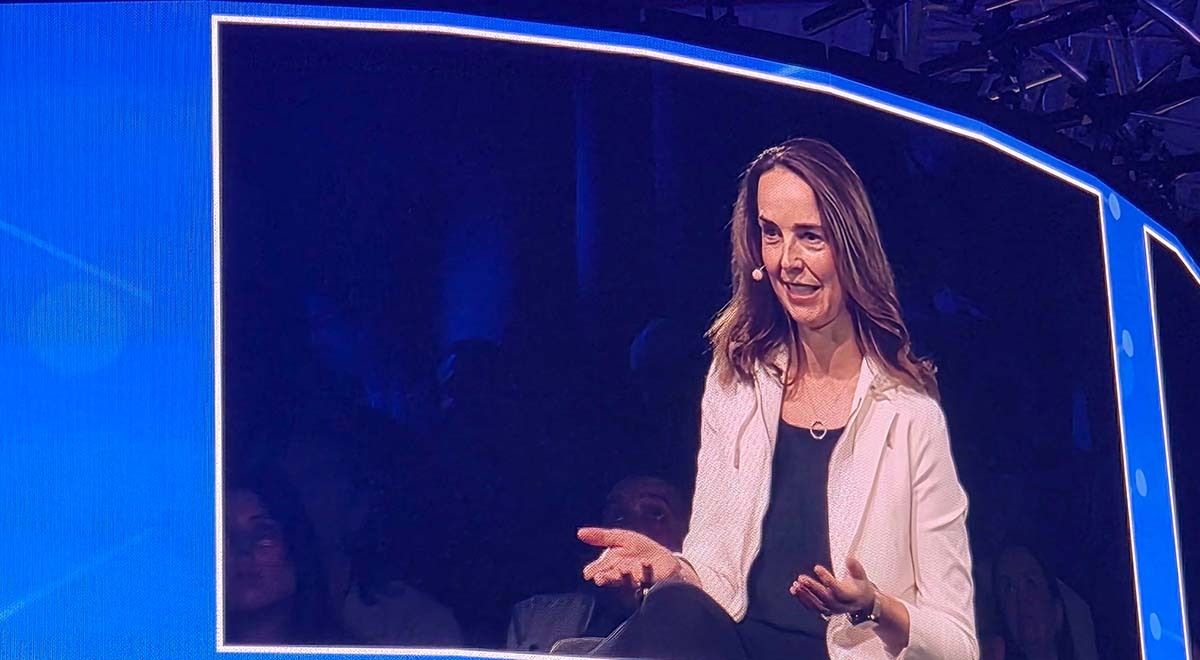
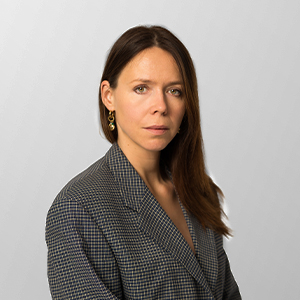
Sarah Friar. OpenAI CFO. By Jurgita Lapienyte/Cybernews

 Follow us
- Sarah Friar said OpenAI is holding back a powerful internal model until it passes more safety checks.
- Friar said the unreleased model proved the Navier-Stokes equations and completed 350 more math proofs in one week.
- OpenAI is watching advanced Chinese AI models because both attackers and defenders can access powerful tools.
- Friar expects AI assistants and coworkers to become common by 2030, but says public trust remains critical.
Key Takeaways by nexos.ai, reviewed by Cybernews staff.
“The pace of change is accelerating," Sarah Friar, OpenAI chief financial officer (CFO), told the attendees of the International AI Summit in Dublin, currently underway during the Irish EU presidency.
"And that is often hard to stay at a pace and not feel like you're getting left behind. So number one advice I always have for everyone, including my teenagers, is be curious, be open, be flexible, and don't let your own kind of insecurities hold you back.”
Pacing the AI frontier
“Trust is everything,” Friar said.





Technology can have unintended consequences, and Friar is well aware of that, as OpenAI started a domino effect of autonomous AI hacking incidents over the summer.
OpenAI, together with a handful of AI companies, is pacing the AI frontier. Talking about misalignment and containment, these companies now seem to be cautious about what they release to the public.
For example, OpenAI is still not releasing an internal model that has solved the Navier-Stokes problem and is more capable than GPT-6 Astra.
“We hold back sometimes, so we talk about pacing the frontier. We have a model right now sitting inside our 4 walls that we haven't released, even though it's the one that proved the Navier-Stokes equations. We did another 350 math proofs just last week. But that's a model we're waiting to do some more turns on to make sure it feels safe and aligned,” she said.
OpenAI is also on the lookout for other frontier models.
“Particularly Chinese models that are getting very good from a cyber perspective. So a lot of folks can get access to those – they're often open-source, open-weight. The folks with malicious intent have the tools, so we need to make sure the defenders have the tools,” Friar added.
Speaking on the potential pause of innovation – a sentiment that many in Silicon Valley now share – Friar emphasized the need to pace innovation, but not slow it down too much, so as not to create an imbalance in the world of who has access to the technology.
As the frontier labs, we wanna come together, and we have called for some sort of global regulation that frontier labs really stand up for. [...] If you want to go fast, go alone, if you want to go far, go together,Sarah Friar said.
The world in 2030
Asked to speculate on how the world would look in 2030, Friar used the analogy of the light bulb. It once was a feared technology, but people were “sold” when they learned they would get an extra hour of light at night to do things.
In 2030, we will have gone from the light bulbs to the appliances, to the fact that you can heat your home, entertain yourself, and so on. What does that really look like? I think we're all going to get very used to having virtual assistance and coworkers around us at all times,OpenAI CFO said.
At OpenAI's offices, people already talk to their AI agents all the time. In the near future, our digital assistants will be much more visible.
“It'll be voice, it'll be images, it'll be video. [...] I just couldn't be more excited for what I see as the upsides for humanity. But we don't live with trust. We don't retain that license to operate, it's not going to matter, Friar added that all effort should now go into developing AI in a safe and aligned way.