Best AI Overview tracking tools for 2026: how to find the right one for your needs
Being behind major reports like The Mother of All Breaches and RockYou2024, our in-house cybersecurity experts and journalists provide unbiased, real-world testing and in-depth analysis.
We maintain complete transparency by openly sharing our testing methodologies with our audience.
Learn more

AI-powered search features, such as AI Overviews, Copilot, and DuckDuckGo Search Assist, are changing content discovery, leading to more zero-click searches and lower organic traffic. As someone who regularly tests the best AI tools, I’ve seen how quickly these systems evolve and how much influence they now have on organic visibility. Yet Google Search Console still offers no reporting or filters for AI Overviews, leaving everyone in the dark about how often their content appears in these results.
That’s how AI Overview tracking tools can come in handy. They’re designed to monitor AI Overviews, analyze how your content is interpreted, and give you actionable insights to increase visibility.
Together with the Cybernews research team, I reviewed the best AI Overview tracking tools in 2026 to see which ones can spot trends, track changes, and help you make informed decisions. By the time you reach the end of this article, you’ll have an understanding of what makes a great AI tracker and which tools are worth considering.
Best AI Overview tracking tools – shortlist
- Surfer AI Tracker – best overall for monitoring AI Overviews across multiple engines
- Trendos – advanced AI Overview tracking with deep insights
- Profound – in-depth AI Overview tracking with advanced competitor analysis
- seoClarity – enterprise-focused solution for large-scale AI Overview tracking
- SE Ranking – affordable AI Overview monitoring with essential competitor insights
Best AI Overview tracking tools compared
Before reviewing each tool individually, it’s helpful to compare the AI Overview tracking tools side by side. In this comparison table, I provided you with a quick overview of ratings, accuracy, speed, pricing, and suitability.
| Tool | My rating | Unique features | Pricing | Best for |
| Surfer AI Tracker | Tracking brand mentions across AI Overviews, ChatGPT, Bing Copilot, and Perplexity in one dashboard | From $95.00/month | Agencies, SaaS teams, and businesses that need cross-engine tracking | |
| Trendos | Sentiment analysis, multi-market visibility, free tier with the largest AI answer database | Free or from $169.00/month | Worldwide agencies and large teams that need insights into how their brand appears in AI Overviews | |
| Profound | Advanced competitor visibility and share-of-AIO analysis | From $99.00/month | Teams that want detailed competitor insights inside AI Overviews | |
| seoClarity | Enterprise-grade tracking for thousands of keywords and AI Overviews | From $750.00/month | Large brands, agencies, and SEO teams managing complex campaigns | |
| SE Ranking | Affordable tracking with keyword and competitor AIO insights | From $52.00/month | Small businesses, startups, and small site owners | |
| ZipTie | Real-time alerts for changes in AI Overview visibility | From $69.00/month | Content teams that need quick insights | |
| SEOmonitor AIO Tracker | Forecasting tools that show how AIO visibility impacts traffic potential | From $95.00/month | Agencies and SEO teams that want precise forecasting and AIO tracking | |
| thruuu | Shows full AI-generated summaries and all source URLs, with detailed content insights | Free or from $13.00/month | SEO teams and small agencies | |
| RankPrompt | Prompt‑by‑prompt AI visibility tracking across multiple assistants | From $49.00/month | Startups, agencies, and marketing teams |

8 best AI Overview tracking tools – my detailed list
The tools below help you track performance in AI-generated search results, monitor brand mentions, and optimize content. In each summary, I highlighted key features, pricing, and the types of users it’s best suited for.
1. Surfer AI Tracker – best AI Overview tracking tool overall for multi-engine monitoring
| Rating: | |
| Unique features: | Tracks AIO, ChatGPT, Bing Copilot, and Perplexity in a single view |
| Pricing: | From $95.00/month as an add-on to the base plan |
| Best for | Agencies, SaaS teams, and businesses that need cross-engine tracking |
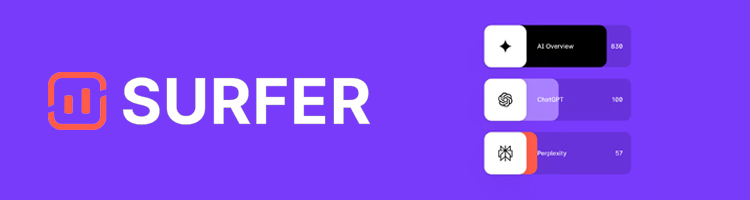
Surfer AI Tracker stands out as the most comprehensive AI Overview tracking tool, as it provides multi-engine coverage. Unlike many other solutions that only track one engine, Surfer combines all aspects into a single dashboard. This makes it simple to use for agencies managing multiple brands or a larger keyword portfolio.
I found the prompt-level reporting especially handy, as it shows how my brand’s rankings and mentions change over time. Combined with Surfer’s Content Editor and SEO tools, it’s easy to quickly act on insights and improve content performance both for traditional search and AI-driven results.
2. Trendos – robust AI Overview tracking tool with robust free tier
| Rating: | |
| Unique features: | Robust free tier with answer database, multi-market visibility, sentiment analysis |
| Pricing: | Free option, with paid plans from $169.00/month |
| Best for | Worldwide agencies and large teams that want actionable insights regarding their AI Overview standings |
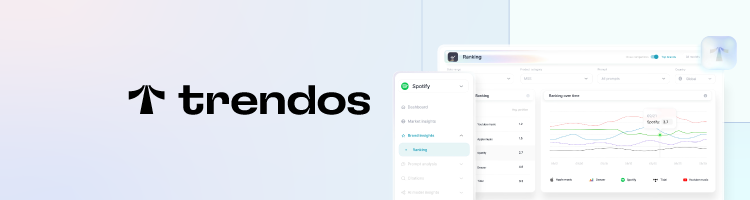
Trendos is a newcomer to the AI overview market, offering a combination of a reliable free tier with a powerful paid tier. The tool will help you track your AI overview positions across ChatGPT, Gemini, Google AI overview, DeepSeek, and Perplexity to ensure your brand ranks high and represents itself well.
What I really appreciate is that Trendos doesn't just look at American AI Overview results. It will give you thorough insights about your AI presence in 13 markets, making it a perfect choice for global teams that localize their content. So, if you have a multi-lingual product, I'd definitely recommend Trendos.
3. Profound – AI Overview tracking tool for deep competitor intelligence
| Rating: | |
| Unique features: | Advanced competitor visibility and share-of-AIO analysis |
| Pricing: | From $99.00/month |
| Best for | Teams that want detailed competitor insights inside AI Overviews |
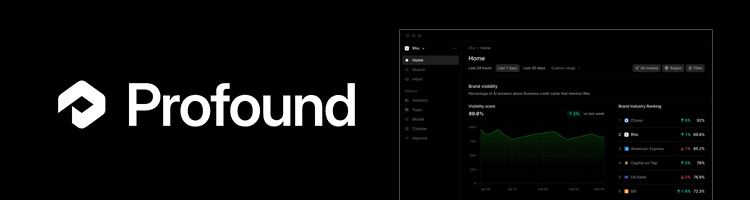
Profound focuses on competitor intelligence, making it a solid tool for teams that need deeper visibility into their niche. This tool allows you to track who appears the most often for your tracked keywords and analyze shifts in competitors' share of voice.
This tool helps SEO teams quickly identify movement in the search results, without having to dig through information-heavy dashboards. If you’re competing in a busy niche or trying to protect your brand’s presence in AI Overviews, Profound gives you the visibility you need to spot changes early and make faster decisions.
4. seoClarity – best for large-scale AI Overview tracking and enterprise teams

| Rating: | 4.4 |
| Unique features: | Enterprise-grade tracking for thousands of keywords and AI Overviews |
| Pricing: | From $750.00/month |
| Best for | Large brands, agencies, and SEO teams managing complex campaigns |
seoClarity is designed for enterprise users who need large-scale AI Overview tracking. It can handle thousands of keywords, track multiple brands, and provide detailed reports across Google AI Overviews and other AI search tools.
It provides tools to monitor broad campaigns and get insights into how your and your competitors’ content appear in AI-generated summaries. The platform also includes trend analysis, historical comparisons, and alerts when visibility changes significantly. Additionally, SEO Clarity offers customizable dashboards and automated reporting, making it easier for large teams to share insights, track progress, and coordinate strategy.
5. SE Ranking – best budget-friendly AI Overview tracking tool
| Rating: | |
| Unique features: | Affordable tracking with keyword and competitor AIO insights |
| Pricing: | From $52.00/month |
| Best for | Small businesses, startups, and small site owners |
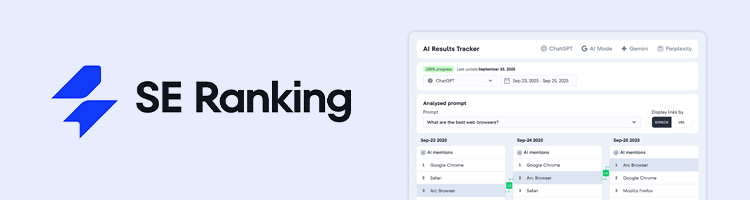
I picked SE Ranking as the best value option because it combines basic AIO visibility with keyword and competitor tracking for an affordable price. The platform lets you monitor where your content appears in Google AI Overviews, track competitor mentions, and view trends over time.
While it doesn’t cover as many AI engines as competitors like Surfer, it still provides small businesses and startups with a clear picture of how they perform in AI-generated answers. SE Ranking also offers automated reports and notifications, allowing you to quickly identify changes and opportunities without needing to check manually.
6. ZipTie – best for quick alerts and real-time AI Overview monitoring
| Rating: | |
| Unique features: | Real-time alerts for changes in AI Overview visibility |
| Pricing: | From $69.00/month |
| Best for | Content teams that need quick insights |
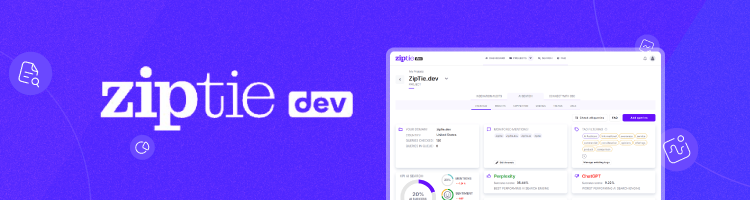
Out of all the tools on my list, I’ve found ZipTie to be the most useful for getting quick updates on AI Overview performance. I like it for its alert system, which lets you know right away when your content appears, disappears, or changes in AI-generated answers.
The tool tracks Google AI Overviews as well as other AI platforms like ChatGPT Search and Bing Copilot, so you can see where your content ranks and how competitors are performing. It also includes trend charts and simple dashboards that make it easy to follow changes over time. For teams running active campaigns, ZipTie’s notifications make it easy to spot shifts quickly and react to opportunities or drops in brand visibility.
7. SEOmonitor AIO – best for clear forecasting and AI Overview visibility insights
| Rating: | |
| Unique features: | Forecasting tools that show how AIO visibility impacts traffic potential |
| Pricing: | From $95.00/month |
| Best for | Agencies and SEO teams that want precise forecasting and AIO tracking |
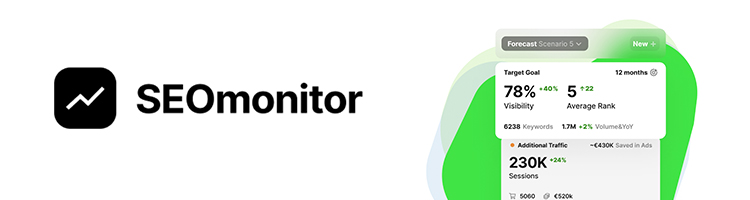
SEOmonitor AIO is a solid choice if you want AI Overview data connected to potential traffic forecasts. It helps you see how shifts in AIO visibility impact your overall search performance, which is useful when planning ahead or justifying strategy changes.
The tool compares your AIO visibility with your regular rankings to provide a clear picture of how both contribute to overall visibility. It also offers forecasting models, competitor comparisons, and keyword-level insights that highlight where you’re gaining or losing ground. For agencies, the shared dashboards and automated reports make it easier to keep clients updated without taking on extra manual reporting.
8. thruuu – best for tracking AI Overview visibility with simple workflow integration
| Rating: | |
| Unique features: | Shows full AI-generated summaries and all source URLs, with detailed content insights |
| Pricing: | Free option, with paid plans from $13.00/month |
| Best for | SEO teams and small agencies |
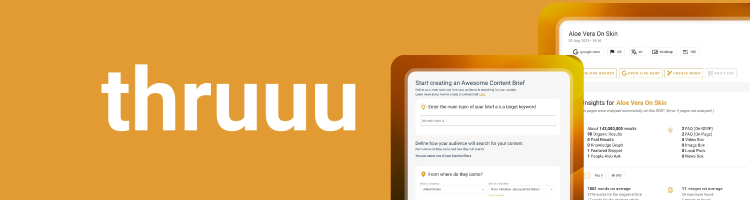
thruuu tracks Google AI Overviews, ChatGPT Search, and Bing Copilot, and lets you see the full AI-generated summary along with all the source URLs the AI used. It also shows on-page data like headings, word count, schema, and images, so you can understand why certain content is included in AI answers.
The dashboard is straightforward, with trend charts and alerts to follow changes over time. Unlike more general tools, thruuu helps you analyze gaps and overlaps between your content and competitors’ content in AI-generated answers, making it easier to adjust your content strategy and boost visibility.
9. RankPrompt – best for tracking AI-assistant visibility and optimizing for AEO
| Rating: | |
| Unique features: | Prompt‑by‑prompt AI visibility tracking across multiple assistants |
| Pricing: | From $49.00/month |
| Best for | Startups, agencies, and marketing teams |
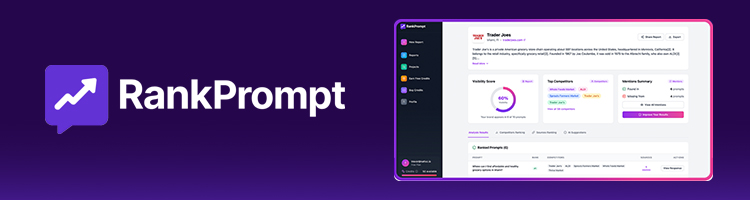
RankPrompt focuses on prompt-level visibility, so you can see exactly which questions your brand appears for in AI assistants like ChatGPT, Gemini, and Perplexity. It also highlights where your content isn’t appearing, so you can identify gaps and content opportunities.
The tool compares your visibility with competitors and suggests improvements, such as updating schema, refining content, or getting better citations. The tool provides simple and clear dashboards, with trend graphs and prompt-level insights, making it easy to track progress over time. For teams managing multiple projects, RankPrompt helps turn AI visibility data into actionable and simple steps.
What is an AI Overview tracking tool?
An AI Overview tracking tool monitors how your brand, keywords, or content appear in AI-generated answers. Instead of measuring traditional organic search results, it focuses on what LLMs choose to display, tracking mentions, citations, share of voice, and the specific URLs used as sources across platforms like Google AI Overviews, ChatGPT, and Perplexity.
These tools are typically used to monitor brand visibility, audit how prompts or keywords behave across different AI systems, and understand how your content competes in an AI-driven search environment. They indicate whether your domain appears in responses, which competitors are referenced, and how visibility changes over time, providing a clearer picture of your presence in generative search.
What are the key areas an AI Overview tracker should cover?
The best AI Overview tracking tools provide a complete view of visibility, performance, and trends. This helps brands see the full picture and make more informed decisions. Here are the main areas and features the tools should focus on:
- Multi-platform coverage. The tool should monitor multiple AI and LLM platforms, such as Google AI Overviews, ChatGPT, Perplexity, and Gemini, ensuring you capture your full visibility across the ecosystem.
- Prompt/keyword-level monitoring. It should track performance not just at the domain level but for individual keywords or prompts, showing which queries trigger AI answers and whether your content is cited.
- Source and citation tracking. The tracker should identify which domains or URLs AI models use as sources, whether your site is referenced, and if your brand receives credit.
- Competitor benchmarking and share of voice. Tools should show when competitors are cited and how often they are compared to your brand and provide insights into share of voice in AI results.
- Historical and trend data. Tracking data over time helps identify gains or losses in AI visibility, so you can adjust your strategy proactively.
- Reporting and export functionality. Look for clear dashboards, export options (CSV/Excel/PDF), and the ability to integrate with analytics platforms or internal reporting systems.
- Ease of setup and maintenance. A good tracker should be simple to set up and maintain, with intuitive UI/UX, easy import of keywords and prompts, and options for scheduling recurring checks.
How to choose the best AI Overview tracking tool for you
AI Overview tracking is a relatively new and fast-evolving field, so the best tool for you depends on your goals, budget, and existing workflow. Here’s what I suggest considering:
- Clarify your goals. Decide whether you want to track brand mentions, specific content, prompt-level performance, or competitive visibility.
- Check platform and region coverage. Make sure the tool supports the AI platforms, languages, and regions relevant to your market.
- Evaluate keyword/prompt capacity and flexibility. For large sites or many queries, confirm the tool can handle high volumes and flexible prompt configurations.
- Prioritize source transparency and citation details. Look for tools that show exact URLs, source domains, and how AI models used them.
- Balance the budget and needs. Small blogs or solo creators should seek for a lower-cost tool with basic tracking. Agencies should look for advanced reporting, multi-user support, and integrations.
- Consider long-term trends and reporting capabilities. Tools that store historical data and provide trend analysis are more useful over time than one-off snapshots.
- Read independent reviews and feedback. This information allows you to understand real-world reliability, update delays, regional limitations, and user experience.
Final thoughts
Tracking your brand’s visibility in AI-generated answers has become increasingly important, especially as it now competes with traditional SEO. Based on our research with the Cybernews team, the tools that stand out are those that combine broad platform coverage, reliable data, and actionable insights.
Among the options I reviewed, Surfer AI Tracker is the best AI Overview tracking tool, as it offers comprehensive monitoring across multiple AI platforms, prompt-level analysis, and clear reporting. However, when selecting a tool, don’t forget to consider your specific needs. The right tool for your workflow and goals will give you the best picture of your AI visibility and the insights you need to stay ahead.
FAQ
What is the difference between an AI Overview tracker and a standard analytics tool?
An AI Overview tracker focuses on whether your content appears in Google’s AI Overviews and how it’s interpreted, giving you insight into visibility before it affects your traffic. A standard analytics tool only measures what users do once they’re already on your site, so its data starts much later in the process.
Are AI Overview tracking tools suitable for small businesses?
Yes, AI Overview tracking tools can be useful for small businesses because they help owners monitor visibility and spot opportunities without needing a large SEO team. They’re especially effective for sites with a manageable number of pages, making setup and maintenance simple.
How secure are AI tracking platforms?
Most reputable tools use encryption, secure logins, and role-based access controls. Many also comply with privacy regulations like GDPR or CCPA. Before choosing a tool, check its privacy policy and security documentation to see how your information is stored and handled.
What kind of data can AI Overview tools monitor?
AI Overview tools can monitor data related to how your content appears in AI-driven search results. This includes whether your pages are featured in AI answer blocks, how your content is summarized, visibility trends over time, changes in competitor presence, and shifts in rankings within AI-generated snippets. Essentially, they track how AI interprets and presents your content, providing insights that standard analytics can’t offer.
Can AI Overview tracking tools monitor AI results from all language models?
Most AI Overview tracking tools can monitor results from multiple popular language models, such as ChatGPT, Google AI, and Perplexity, but coverage varies by tool. Some focus on specific platforms or search engines, while others track several models at once. It’s important to check each tool’s supported sources to ensure it aligns with the AI platforms you want to monitor.