Widow loses nearly $1M after falling for AI deepfake video of Canadian prime minister
Scammers convinced the woman to drain her retirement savings and even mortgage her home.
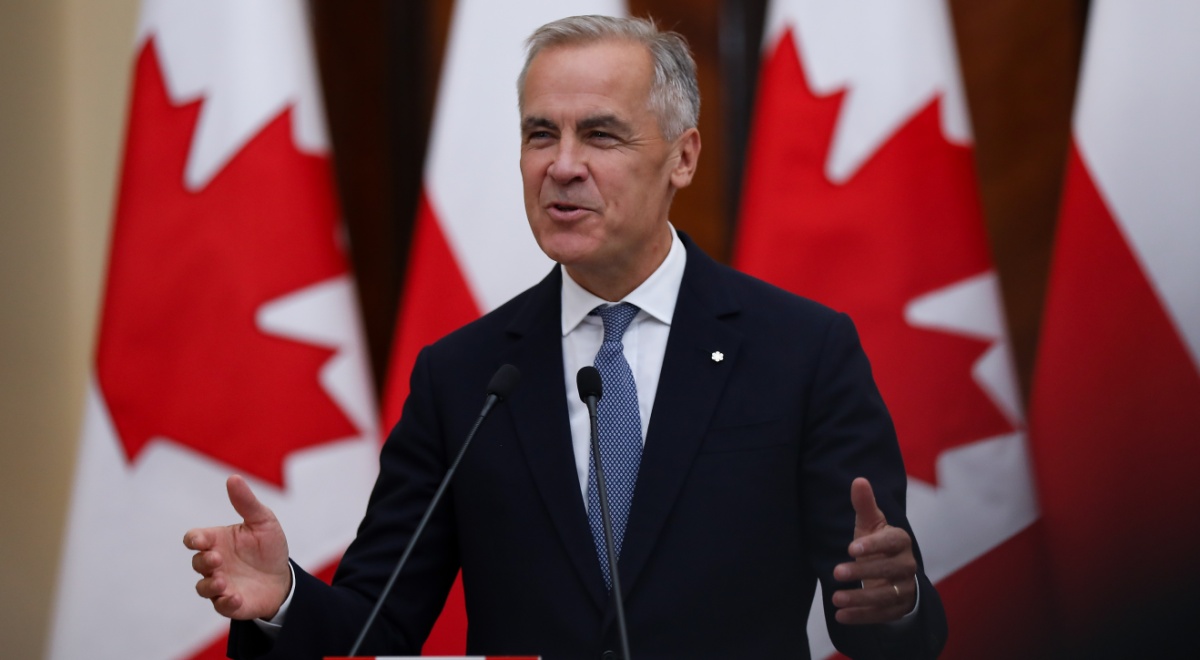
Canadian Prime Minister Mark Carney. Klaudia Radecka/NurPhoto via Getty Images

 Follow us
- An 86-year-old woman lost nearly $1 million after trusting an AI deepfake promoting a fake crypto investment.
- The scam started with a $350 Facebook investment before wiping out retirement savings, home equity, and credit.
- Experts warn AI-generated videos are making investment scams harder than ever to spot.
An AI deepfake video of Canadian Prime Minister Mark Carney duped an 86-year-old woman into giving away nearly $1 million in life savings to fund a fake crypto investment scam.
What started with a $350 Facebook ad spiraled into nearly $1 million in losses for an 86-year-old widow from Ontario.

The elderly victim, Judy Skene, said she first saw a Facebook advertisement showing what appeared to be Canada’s Prime Minister Mark Carney promoting a $350 investment – which claimed to be backed by the Bank of Canada.





Believing the opportunity was legitimate, she made the initial payment, according to a report by the Toronto-based National Post.
In the end, the scammers not only drained Skene’s entire retirement savings, but also forced her to mortgage her home, leaving her with only a few hundred dollars in her bank account.
$350 investment becomes a nightmare
Skene said she first saw the ad on Facebook in January 2025, which convinced her to invest a mere $350 through an unnamed crypto platform.
Over the following months, the scammers repeatedly persuaded Skene to invest more money, promising incredible returns – to the tune of $40,000 per month – as long as she continued forking over her cash.
Skene, a retired pharmacist, eventually cashed out about $650,000 from her retirement account, mortgaged her condominium for roughly $350,000, and even took a $35,000 cash advance on her credit card before the scammers disappeared with her money, the National Post said.
"I just really thought it was going to work out," she told the media outlet. "When all the funds were gone, it was like the world ended for me."



Stay updated with our latest stories and follow us on social media
Be the first to discover new stories, ideas, and updates from our team.
AI deepfakes fuel investment scams
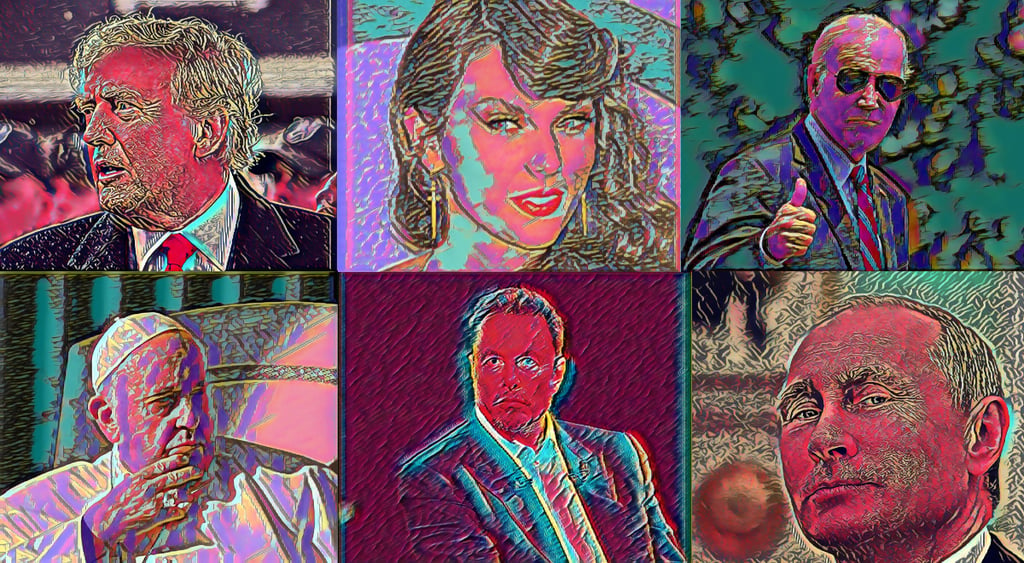
Cybercriminals have increasingly been found using AI-generated videos and audio to peddle fraudulent investment schemes.
Security experts also warn that deepfakes can dramatically lower the bar, allowing scammers to create convincing videos both quickly and cheaply, while older adults are frequently targeted for their retirement savings.
Jeff Horncastle of the Canadian Anti-Fraud Centre told the Post that deepfakes are being used “to impersonate politicians, celebrities, financial experts and government officials” to make the scams look more legitimate.
He describes an intricate process where advertising on social media to lure victims “is usually only the first step.”
Horncastle said once someone clicks or hands over their contact information, they may be subject to social engineering attacks, such as the scammer calling the victim directly and posing as an investment advisor.
“The victim may then be directed to a professional-looking trading platform, encouraged to buy cryptocurrency or asked to hand over remote access to their computer. The platform may display fabricated profits,”he said.

Another deepfake scam, another victim
Skene’s case has been reported as one of Canada's most devastating AI deepfake investment scams involving a single victim.
Earlier this year, another woman from Ontario lost $1.7 million in a similar crypto scam using an AI deepfake video of Elon Musk.
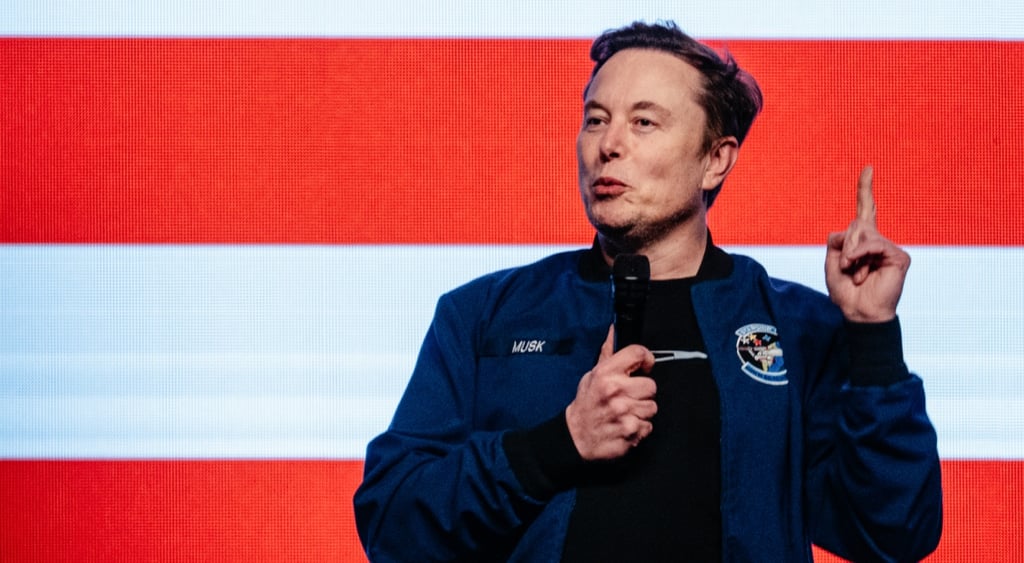
That scam also originated on Facebook, luring victims with a once-in-a-lifetime opportunity initially costing just $250.
The conversation on this topic is live. Join in the discussion.
It’s unknown whether the crypto scammers who created the AI deepfake video of Prime Minister Carney are the same criminals behind the Musk deepfake scheme.
The Canadian minister responsible for AI and digital innovation released a statement about the deepfake fraud, acknowledging that these types of scams are”increasingly sophisticated,” the outlet reported.