Best blood pressure monitor for accurate home readings
Being behind major reports like The Mother of All Breaches and RockYou2024, our in-house cybersecurity experts and journalists provide unbiased, real-world testing and in-depth analysis.
We maintain complete transparency by openly sharing our testing methodologies with our audience.
Learn more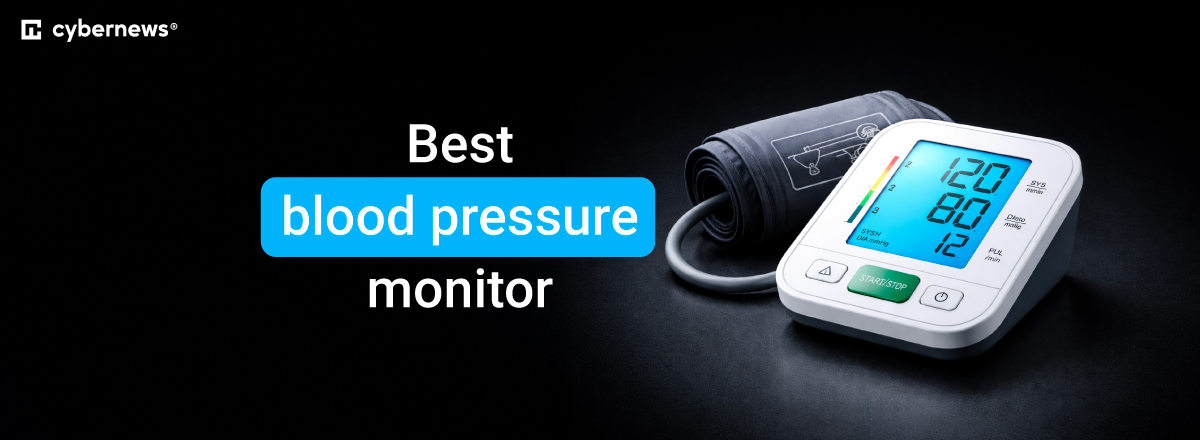
People monitor blood pressure at home to track long-term blood pressure changes, apply the doctor’s recommendations, or catch early warning signs like consistently elevated blood pressure readings.
Typically, people purchase either an upper-arm cuff or wrist-cuff monitor. Medical organizations generally recommend the use of upper-arm monitors because they’re less affected by positioning. Wrist monitors offer greater convenience but require stricter positioning. I’ve created this breakdown of the best blood pressure monitors to find out more.
I, together with the Cybernews research team, analyzed manufacturer specifications, clinical validation claims, and consistent user feedback to identify the best blood pressure monitors for home use.
After thorough research and consideration, I’ve written about my top blood pressure monitor picks, why I picked them, their key specifications, and how to choose the right device. Remember, home monitors support health tracking but don’t replace clinical diagnosis.
Best blood pressure monitors – top picks
- Oxiline Pressure XS Pro – best blood pressure monitor for home checks
- WHOOP – best fitness-focused wearable with blood pressure insights
- RENPHO Blood Pressure Monitor + – top low-cost blood pressure monitor
- Withings BPM Vision – great blood pressure tracking via a premium app ecosystem


Our team of in-house researchers, writers and editors reviews and analyzes health tech products using a research-driven approach. We gather data from multiple sources, fact-check all information, and conduct our research based on peer-reviewed studies, expert opinions, consumer ratings, and regulatory approvals.
You can learn more about how we test health tech products here.
The best blood pressure monitors compared
Before I dive into each device, below is a helpful comparison table. You’ll see all four products side by side. I listed key specs and other important aspects:
| Model name | Monitor type (upper-arm / wrist) | Accuracy validation (AHA/ESH/clinical validation stated) | Cuff size range | Memory storage (users/readings) | App connectivity (Bluetooth/app/no app) | Irregular heartbeat detection | Ease of use (one-button, large display) | Power source (battery/rechargeable) | Price range | Best for (use case) |
| Oxiline Pressure XS Pro | Upper arm | ISO 81060-2:2018 validated, FDA 510(k) cleared | 8.6-16.5in (Standard), 8.6-18.9in (XL) | Two users, 200 readings per user, app unlimited profiles and cloud history | Bluetooth, Oxiline app | Yes | One-button, large display | USB-C or four AAA | $169 | Logs for the doctor, daily blood pressure checks |
| WHOOP | Wrist | Not specified | Not applicable | App history, storage not specified | App needed | Yes (higher tiers) | Screenless | Rechargeable battery | $149-$359/year | Athletes who need blood pressure information |
| RENPHO Blood Pressure Monitor + | Upper arm | Not specified | 8-16in | Two users, 240 readings | Bluetooth, RENPHO Health app, Gennec app | Yes | Large display, large button | Four AAA batteries | $75.99 | Budget family monitoring |
| Withings BPM Vision | Upper arm | FDA cleared, ISO 81060-2:2018 and A1:2020, aligned with validation protocols recognized by ESH, BHS, and AAMI/AHA | 8.7-16.5in, 15.8-20.5in (XL, optional) | 16 measurements, unlimited and free cloud storage | Wi-Fi and Bluetooth, Withings app | Not specified | Medium display, app-controlled | Rechargeable via USB-C | $179.95 | Long-term trends via the app |
Best blood pressure monitors – detailed reviews
Let’s dive into each blood pressure monitor individually. For each device, you’ll see a banner with key aspects, a description, and my pros and cons.
1. Oxiline Pressure XS Pro – best overall validated blood pressure monitor
| Monitor type: | Upper arm |
| Cuff size: | 8.6-16.5in (Standard), 8.6-18.9in (XL) |
| App support: | Oxiline app via Bluetooth |
| Best for: | Accurate readings for the doctor |
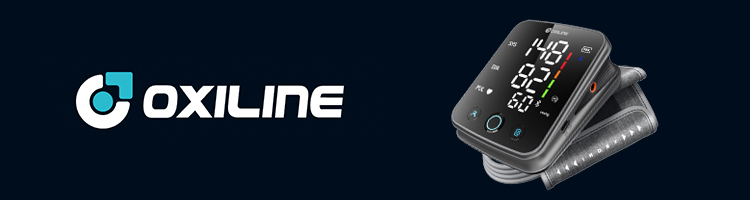
Oxiline Pressure XS Pro is my winner for accurate home blood pressure checks with guidance to reduce user error, which is common with home readings. The device is FDA 510(k) cleared and lists ISO 81060-2:2018 validation. The large OLED screen is clear and easy to read. You can also share this device with others, and the device offers unlimited profiles and readings with cloud storage. The app provides long-term trend views and detailed exports for your doctor.
2. WHOOP – best fitness-focused wearable with blood pressure estimation

| Monitor type: | Wrist |
| Cuff size: | Not applicable |
| App support: | WHOOP app |
| Best for: | Blood pressure metrics for athletes (in beta) |
WHOOP is a sports wearable, and it’s not designed primarily as a blood pressure monitor. It provides you with blood pressure context on higher-tier plans, not the entry-level plan. The company explains that WHOOP Blood Pressure Insights shouldn’t be used to manage or diagnose medical conditions.
WHOOP has daily blood pressure insights that estimate blood pressure ranges once overnight. It requires a one-time calibration via a traditional cuff reading in the app. In my opinion, using WHOOP is a new way to see blood pressure metrics alongside sleep, strain, stress, and heart metrics.
3. RENPHO Blood Pressure Monitor + – best affordable blood pressure monitor for family home checks
| Monitor type: | Upper arm |
| Cuff size: | 8-16in |
| App support: | RENPHO Health app via Bluetooth, Gennec app |
| Best for: | Shared, affordable blood pressure tracking |
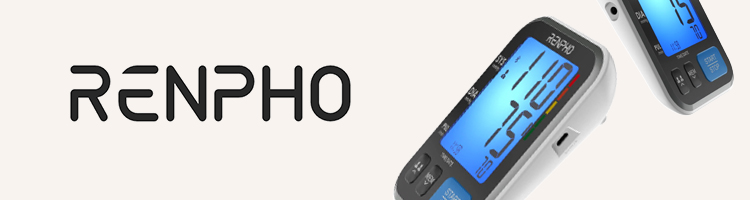
In my view, RENPHO Blood Pressure Monitor + is a simple, good-value device for everyday home blood pressure checks with a large LCD display and buttons. Up to two users can use it, with up to 240 stored readings. You can share a clear log from the app with your doctor.
I like it because it’s simple, affordable, and you get exportable data. The website notes detailed blood pressure data regarding measurement ranges, pressure, and performance. The app supports trend views, reminders, notes, and sharing.
4. Withings BPM Vision – best for tech-forward users looking for blood pressure tracking
| Monitor type: | Upper arm |
| Cuff size: | 8.7-16.5in included, 15.8-20.5in (XL, optional) |
| App support: | Withings app, Wi-Fi and Bluetooth |
| Best for: | AI health insights via the app, and automatic syncing |
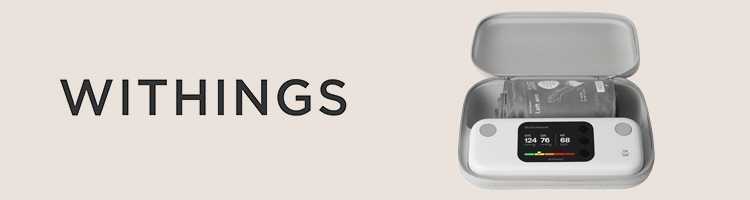
With the Withings BPM Vision, you can view color-coded feedback on the medium-sized LCD screen and in the app. The device also has three medium-sized buttons. The company claims a medically accurate blood pressure measurement.
Your readings and data history are stored securely, according to the company. The device is FDA cleared and the website lists accepted internationally recognized evaluation standards for blood pressure monitors.
The Withings digital ecosystem (Withings+) is powerful: with a vitality indicator, health improvement score, AI-powered insights, and ECG cardiologist review.
Our methodology
Cybernews uses a weighted scoring system for devices like blood pressure monitors. Here’s how I scored my four picks:
- Accuracy and clinical validation (35%): I checked the official websites of each company for accuracy claims. I also looked for FDA clearance and independent clinical validation claims.
- Ease of use and readability (20%): I gave extra points to devices that users described as easy to use. I gave another point if screens and app data could be easily read and understood in daylight conditions.
- Cuff fit and comfort (15%): I assessed cuff sizing and any included cuffs. I noted the material used and gave an extra point if comfort was prioritized.
- Features and data tracking (memory/app) (15%): I gave extra points to devices with more blood-pressure related features and exportable data (on-device and in-app). I gave another point if the device allowed many users and provided free data storage.
- Price and long-term value (10%): I considered pricing vs value in the long run. Devices that were cheaper than direct rivals but had strong, relevant features scored an extra point.
- User feedback consistency (5%): I analyzed recurring user feedback, both positive and negative. I ignored isolated comments for a more truthful evaluation.
How home blood pressure monitors work
Home blood pressure monitors report systolic and diastolic pressure. Systolic pressure is the higher number, and diastolic pressure is the lower one. Systolic reflects the force of blood pushing against artery walls when the heart contracts. Diastolic is the pressure in the arteries between heartbeats.
Most home blood pressure monitors use the oscillometric method. The blood pressure cuff squeezes (inflates) to temporarily lower blood flow, after which it deflates while sensors scan for minuscule pressure changes as blood moves through the artery. The device’s system converts this into systolic and diastolic estimates, and a pulse rate.
Arm position and cuff size can alter these results. If a cuff is too small, readings can be higher than expected. A cuff that is too large can make them too low. Position is key because blood pressure changes relative to the heart, so if your arm is below your heart, readings can be higher. If your arm is above your heart, readings can register lower.
Pressure readings also vary throughout the day. Stress, caffeine, nicotine, pain, activity, dehydration, and disrupted sleep may affect readings. Using a consistent technique and measuring at similar times is important for more precise trend tracking.
Upper-arm vs wrist blood pressure monitors
Upper arm blood pressure monitors are considered the gold standard since they measure closer to the brachial artery. They’re also usually less sensitive to posture changes. If your cuff is the right size and your arm is at heart level, they tend to give the most consistent home readings for tracking trends.
With wrist monitors, you trade convenience for positioning sensitivity. Wrist monitors are small and easy to put on, but positioning affects them significantly. If your wrist is above or below your heart, or your arm isn’t supported, readings can rise or drop by a lot. More attention to technique is required here, especially if you’re moving.
Wrist monitors may still work if your upper arm cuffs don’t suit you, such as if you have shoulder mobility issues, very large upper arms, or simply want a more compact, portable device.
For best accuracy, remember to read the setup instructions, keep your wrist at heart level, and take several readings. Comparing your own readings with a clinician’s reading is a smart way to see if you’re on track.
How to choose the best blood pressure monitor
Picking the right blood pressure monitor for your specific use case can be confusing. Here’s how to cut through the noise:
- Clinical validation. Find a monitor that clearly lists clinical validation, international standards, and FDA clearance. Avoid those with vague product information.
- Upper-arm or wrist. Upper-arm devices are usually superior for accurate home tracking. Wrist monitors are portable, but you need to practice positioning.
- Correct cuff size for your arm circumference. Your arm’s circumference should be in the cuff’s range. Home readings won’t be accurate when the cuff is beyond these ranges.
- App or on-screen readings. App support is perfect for long-term trend tracking, reminders, and logs. A clear on-screen reading might be enough for occasional quick checks.
- Multi-user support. If you’re sharing, ensure the device supports multiple profiles. Check on-device memory and multi-user capability.
- Display size and readability. A large display is critical. You want large digits, while color indicators reduce mistakes, especially for older adults or those with poor vision. An OLED display will have the deepest contrast, while LCD screens can be brighter.
- Power source preference. Throw-away batteries are convenient, but expensive. Rechargeable batteries lower costs down the road.
- Budget vs long-term reliability. A cheap monitor may give you simple data for your doctor’s visit, but a higher-quality device and app ecosystem may be worth it long-term. Look for sturdiness and advanced features while balancing price.
Bottom line
Oxiline Pressure XS Pro is my winner as the best blood pressure monitor for accurate home readings. It’s a well-balanced choice, delivering the fundamentals, with listed validation, guidance that’s meant to minimize user error, and a large, clear display.
If you’re looking for a lower-cost cuff monitor, the RENPHO Blood Pressure Monitor + gets you the basics. If you’re an athlete or trainer, the WHOOP is a minimalist, wearable approach with blood pressure insights and wellness metrics.
For a high-end app-focused experience, the Withings BPM Vision is a great choice. Keep in mind that a blood pressure monitor can’t replace a doctor’s visit, but it can provide valuable data to them.
FAQ
Are home blood pressure monitors accurate?
Yes, many blood pressure monitors are accurate, but not all of them. It also depends on whether your arm is positioned at heart level, and if your arm is within the cuff range. Generally, devices like the Oxiline Pressure XS Pro are a popular choice with which you can share the readings with your doctor.
Are blood pressure monitors considered medical devices?
No, not all consumer blood pressure monitors are at the medical-device level. Only some come with FDA clearance and international clinical validation standards. Others are purely wellness products. Always prefer devices with clearly listed regulatory status or validation standards.
How often should I check my blood pressure at home?
That depends, because every individual is different, and doctors’ recommendations vary. Generally, doctors suggest a couple of times a day, then less often when trends stabilize. Always stick to your doctor’s guidance.
Can I share my readings with my doctor?
Yes, many blood pressure monitors feature exportable logs, or can show stored history during doctor’s visits. Consistent logs over a period of time are more useful for your doctor than a single reading.
Is an app-connected monitor worth it?
That depends on whether you need features like long-term tracking, AI-powered insights (like with Withings), reminders, and data sharing. Occasional spot checkers don’t require app connectivity to do their job.