Health tech for couples who train together (or try to)
Being behind major reports like The Mother of All Breaches and RockYou2024, our in-house cybersecurity experts and journalists provide unbiased, real-world testing and in-depth analysis.
We maintain complete transparency by openly sharing our testing methodologies with our audience.
Learn more
As Valentine’s Day approaches, tech companies are once again competing for attention with predictable gifts – smartwatches, earbuds and subscription apps. But behind the seasonal promotions, a quieter shift is happening in health tech: more couples are using training and wellness tech together, not to compete, but to stay connected.
From shared gym sessions to at-home workouts and recovery routines, couples are increasingly turning health tech into a joint activity. That behavior is turning couples into an important real-world test case for the industry – exposing where individual-first devices work and where they fall short.
Where couples start: shared plans and smart rings
For many couples, training together starts with tools that create a common baseline, even if workouts don’t happen side by side every day. That’s where app-based plans and smart rings tend to come in first.
- BetterMe Fitness Plan – shared workout plans and lifestyle programs that give couples a common structure while allowing flexible execution.
- Oura Ring – sleep, readiness, and recovery tracking that couples use to compare long-term trends instead of daily scores.
- RingConn smart ring – subscription-free recovery and sleep insights that make side-by-side health tracking easier to sustain.
- Withings ScanWatch Nova – a hybrid health watch combining heart health monitoring with discreet, everyday wearability for long-term use.
Programs like BetterMe Fitness Plan are often used by couples as a shared framework rather than a strict schedule. Both partners follow the same plan logic, but adapt intensity, timing, and exercises to fit their own routines.
Smart rings and hybrid health watches play a similar role. Devices like Oura Ring, RingConn smart ring, and Withings ScanWatch Nova are worn individually, but couples use them to compare longer-term trends around sleep, recovery, heart health, and readiness. Instead of focusing on daily scores, the value comes from spotting shared patterns and mismatches over time.
Training together is less about fitness goals and more about shared time
Couples who train together rarely aim for identical results. What they’re actually trying to do is show up at the same time, move together and avoid turning workouts into arguments about pace, intensity, or effort.
That’s why the most-used health tech in couples isn’t always the most advanced. It’s the tech that helps partners stay roughly in sync, share effort without pressure and finish sessions feeling connected rather than compared.
Live Valentine’s Day health tech update
Pacing tech is replacing performance tech
One of the biggest friction points in couple workouts is pacing. Someone always wants to push harder, slow down, or take longer breaks. Health tech that focuses on real-time pacing cues and shared effort is quietly becoming more popular than devices built purely around personal records.
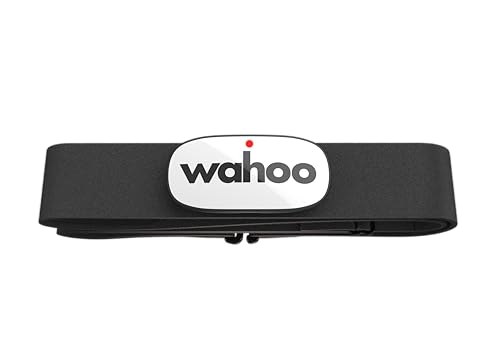
Heart-rate-based pacing tools, for example, allow couples to train side by side without constantly negotiating intensity. Instead of asking, “Are you OK with this pace?”, both partners can adjust based on the same physiological signal.

Recovery data is becoming a shared conversation
Training together often breaks down after the workout ends. Fatigue, soreness and stress don’t show up evenly, and over time one partner usually absorbs more strain.
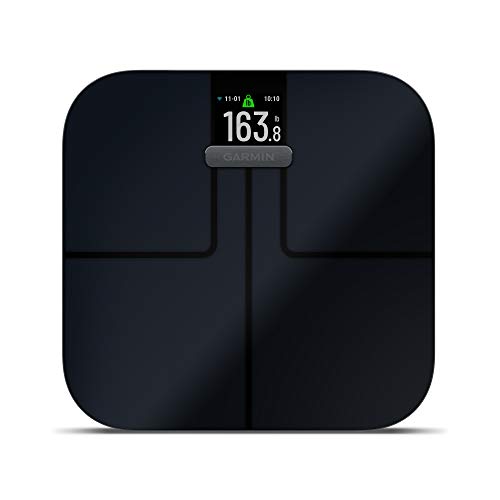
Health tech that tracks longer-term recovery trends – rather than daily scores – helps couples notice these imbalances before they turn into skipped sessions or quiet resentment. For many couples, recovery data has become less about optimization and more about checking in.
Sleep and recovery are already couple-level systems
Unlike workouts, sleep is almost always shared. Schedules, environments and habits overlap, which means recovery often rises or falls together.
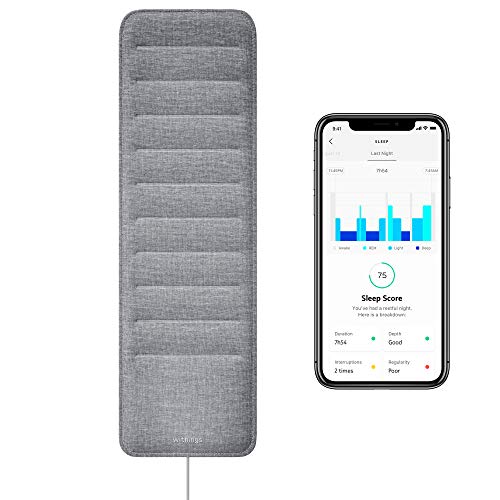
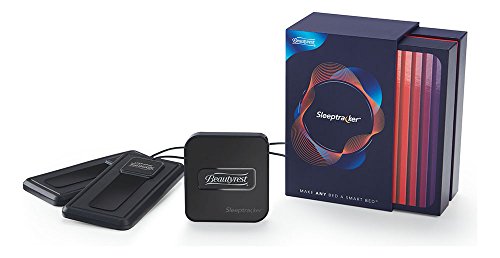
Sleep-focused health tech is increasingly used by couples to understand whether training issues are individual or household-level. Poor sleep after late workouts, screen time, or travel shows up in both sets of data – making recovery a shared problem rather than a personal failure.
Why couples expose the limits of today’s health tech
Despite this growing behavior, there is still no mainstream health tech product designed specifically for couples. Most devices allow sharing, but they don’t generate joint insights.
There’s no clear answer to questions couples actually care about, such as whether they are physiologically aligned to train together on a given day, or whether one partner is consistently overreaching during shared sessions.
As Valentine’s Day gifting once again puts health tech into the spotlight, couples are revealing a gap the industry hasn’t fully addressed yet: health tracking built around relationships, not just individuals.
For now, couples are piecing together individual tools to make training together work. But their behavior suggests something bigger – that the next meaningful evolution in health tech may not be more personal data, but shared understanding.