Zander vs Aura: which identity theft protection tool is better?
Our in-house experts test identity theft protection services themselves, using real-world scenarios and established testing methods. We look at how well each service monitors personal information, how quickly and clearly it sends alerts, what recovery support it offers, and how it handles customer data.
We assess every provider using the same criteria and explain our testing process clearly, so readers can compare services and make a more informed choice.
Learn more
Fraudulent accounts opened in your name, unauthorized purchases, and other forms of financial fraud – that’s the ugly reality of identity theft. Fortunately, taking preventive measures, like investing in reliable identity theft protection services, can help you protect your personal information and mitigate the risk of it being stolen.
In this Zander vs Aura review, I evaluate two reliable identity theft protection services that focus on different users. Zander is a more budget-friendly solution with basic identity theft protection, recovery assistance, and insurance. In comparison, Aura offers a much more comprehensive identity theft protection package that includes credit monitoring and a broader range of security tools.
Together with our in-house research team, I compared the two providers across features, pricing, insurance, ease of use, and overall value. Keep on reading to see their differences and decide which might be the better option for you.
Zander vs Aura overview
Before going into detail about how Zander and Aura compare, here’s a brief overview of their key differences, strengths, and weaknesses:
| Aura Identity Theft Protection | Zander | |
| ⭐ Rating: | ||
| 🥇 Overall rank: | #2 out of #20 | #18 out of #20 |
| 💵 Price: | From $8.00/month | - |
| ✂️ Free version: | Yes, 14-day free trial | No |
| 🖥️ Platforms: | Windows, macOS, iOS, Android | Web, iOS, Android |
| 💰 Credit monitoring: | Yes (3-bureau credit monitoring) | No |
| 🔒 Insurance: | Yes, up to $1M/adult | Yes, up to $1M/adult |
| 🔥 Coupons: | Aura Identity Theft Protection coupon 66% OFF! | - |

Both Zander and Aura aim to protect your identity and personal information, but they take different approaches to do so.
Aura takes a broader, all-in-one approach, with each of its plans including a generous set of security features. Alongside identity and dark web monitoring, you get three-bureau credit monitoring, financial fraud alerts, data removal, and additional tools like a VPN, antivirus, and password manager. In case of identity theft, you’re protected by identity theft insurance and 24/7 fraud support. And that’s just the essentials. Of course, this wider range of features comes at a higher starting price than Zander.
Zander focuses on affordable identity monitoring, identity restoration, and protection against identity theft-related losses. It monitors threats such as SSN misuse and dark web exposure, while its recovery specialists can help you deal with the aftermath of identity theft. Without traditional credit monitoring, it’s clear that Zander puts more emphasis on its identity restoration service and reimbursement benefits.
All in all, the main difference is that Aura takes a broader approach to security, while Zander focuses more on identity protection. Aura is better suited for users looking for identity, credit, privacy, and device protection bundled into a single service. In contrast, Zander is a great choice if you simply need affordable identity monitoring, recovery assistance, and reimbursement benefits.




Our in-house experts test identity theft protection services using real-world scenarios and consistent criteria. We assess monitoring, alerts, recovery support, and data handling to help readers compare providers confidently. Learn more about our testing process.
-
Aura is the overall winner, offering more comprehensive protection than Zander across identity, credit, financial, and online security
-
Zander is the more affordable option, starting at $6.75/month for basic identity theft protection, recovery assistance, and insurance
-
Aura includes three-bureau credit monitoring, while Zander doesn’t offer traditional credit monitoring, even though its Elite plan includes Experian CreditLock
-
Both services provide identity monitoring and recovery support, but Zander stands out with a dedicated Recovery Advocate
-
Aura goes further with financial monitoring and data broker removal, helping you keep track of suspicious activity and reduce your online footprint
-
Both providers include additional security tools, but Zander reserves its VPN, antivirus, and password manager for the Elite plan, while Aura includes them across all plans
-
Aura offers higher family insurance limits, with up to $5 million compared to Zander’s $2 million, although both limit insurance to $1 million per adult
Feature overview
In terms of features, Zander and Aura cover the basics of identity theft protection, but the similarities largely end there. While Zander mainly offers monitoring, identity restoration, and insurance, Aura gives much more comprehensive protection, including identity protection, credit monitoring, financial alerts, data removal, and security tools. Here’s how the two services compare across the key security features:
| Feature | Zander | Aura |
|---|---|---|
| Identity monitoring | ✅ Yes | ✅ Yes |
| Credit monitoring | ❌ No | ✅ Yes, 3 bureaus |
| Financial and account monitoring | ✅ Yes | ✅ Yes |
| Data broker removal | ❌ No | ✅ Yes |
| Identity theft insurance | ✅ Yes, up to $2M ($1M per adult) | ✅ Yes, up to $5M ($1M per adult) |
| VPN | ✅ Yes (only on its Elite plan) | ✅ Yes |
| Antivirus | ✅ Yes (only on its Elite plan) | ✅ Yes |
| Password manager | ✅ Yes (only on its Elite plan) | ✅ Yes |
Identity monitoring
As identity theft protection services, both Zander and Aura monitor your personal information for signs of exposure or misuse. Zander monitors information such as your SSN, driver's license number, financial account details, and medical insurance numbers. It also offers change-of-address monitoring, while its Elite plan adds home title monitoring to help detect suspicious changes that could indicate identity theft.
Aura monitors many of the same types of personal information, including SSNs, driver's license and passport numbers, and online accounts. It also provides alerts for identity verification activity, change-of-address requests, home and auto title changes, and criminal and court records. On its Family plan, Aura additionally monitors children's SSNs for signs of misuse.
Credit monitoring
Credit monitoring is one of the clearest differences between these two services. Aura includes three-bureau credit monitoring with all of its plans, keeping track of activity across Experian, Equifax, and TransUnion. On top of that, you get credit reports, credit scores, and alerts about changes to your credit profile.
In contrast, Zander doesn’t provide traditional credit monitoring on either of its plans, making it one of its key disadvantages. Its Elite plan does include Experian CreditLock, but this lets you lock your Experian credit file rather than continuously monitor your credit. If keeping a close eye on your credit is important, I’d go with Aura.
Financial and account monitoring
Both providers offer financial fraud and account-related monitoring, although some of Zander's features are limited to its Elite plan. Zander monitors eligible accounts and transactions for suspicious activity, while Elite also adds protection against account takeover and new account fraud.
Aura takes financial monitoring a step further. You can connect eligible bank, credit card, and investment accounts and receive alerts about unusual spending activity. Additionally, it monitors new credit activity and can notify you about changes across your credit files. Because Aura combines this with its three-bureau credit monitoring, you get a broader view of potential financial threats.
Data broker removal
Data broker removal is another area where Aura has an advantage. Aura automatically removes your personal information from over 425 data broker sites. This can reduce the amount of sensitive information available publicly and help limit your online footprint.
In contrast, Zander doesn’t offer a comparable data removal service. Its approach is focused on detecting exposed information and helping you recover if your identity is compromised. Therefore, if you’re looking to minimize your online presence and reduce your exposure to potential identity theft, Aura might be the better choice.
Identity theft insurance and recovery
Aura offers more generous identity theft insurance, while Zander provides more dedicated support in case of identity theft. With Zander, eligible users can get up to $2 million in protection for stolen funds and expenses, with a limit of $1 million per adult. I especially like that Zander assigns a dedicated Recovery Advocate who creates a recovery plan and helps restore your identity and credit. It also provides unlimited recovery services and covers eligible identity theft expenses.
Aura offers up to $5 million in identity theft insurance to eligible US users, with a maximum of $1 million per adult. If you become a victim of identity theft, its Expert Fraud Remediation team can create a recovery plan, help report the incident, dispute fraudulent transactions, and work with banks and credit bureaus. Aura also provides 24/7 support and covers eligible out-of-pocket expenses.
While Aura offers higher maximum insurance limits for families, I prefer Zander for recovery because its dedicated Recovery Advocate takes a more hands-on approach to restoration.
VPN
Both Zander and Aura include a VPN to encrypt your traffic and protect you online. The main difference is that Aura offers a VPN with all of its identity protection plans, while Zander only includes UltraVPN with its Elite plan.While a VPN is a useful security tool, neither provider's VPN is the main reason to choose the service. Instead, I’d see it as a convenient addition that gives you an extra layer of privacy and security alongside identity protection.
Antivirus
If you want to get more than just identity protection from your subscription, both providers also throw in antivirus software. Zander includes UltraAV with its Elite plan, while Aura makes antivirus software available across all of its plans.
That said, I see antivirus as more of a bonus than a core identity protection feature. It can still be useful for adding another layer of defense against malware and other threats that could put your devices and personal information at risk.
Password manager
Both services include a password manager, but Zander reserves this feature for Elite subscribers, while Aura includes it as part of its broader security package. Aura's password manager lets you store and manage passwords alongside its other privacy and security tools.
Zander's password manager is another example of how the Elite plan expands beyond basic identity protection. If you're already paying for a higher-tier plan, having password management included adds useful value.
Zander vs Aura: plans and pricing
In terms of pricing, Zander and Aura focus on users with different budgets and needs. Zander is the cheaper option, with a basic plan for identity monitoring, recovery, and insurance. In contrast, Aura costs more but bundles identity protection with credit monitoring and a wide range of security tools. Below is the overview of their plans and pricing compared side by side:
| Plan | Zander | Aura |
|---|---|---|
| Starting plan | From $6.75/month | From $10.00/month |
| Couple plan | ❌ No | From $18.00/month |
| Family plan | From $12.90/month | From $29.00/month |
| Free trial | ❌ No | ✅ Yes, 14 days |
| Money-back guarantee | ❌ No | ✅ Yes, 60 days |
Zander offers two tiers: the Essential and the Elite, each available as an individual or family plan. The Essential plan starts at $6.75/month, and it’s one of the most affordable options for basic identity theft protection I’ve seen. The Elite plan costs from $11.99/month for an individual user and adds more features like account takeover and new account monitoring, Experian CreditLock, a VPN, antivirus protection, and a password manager.
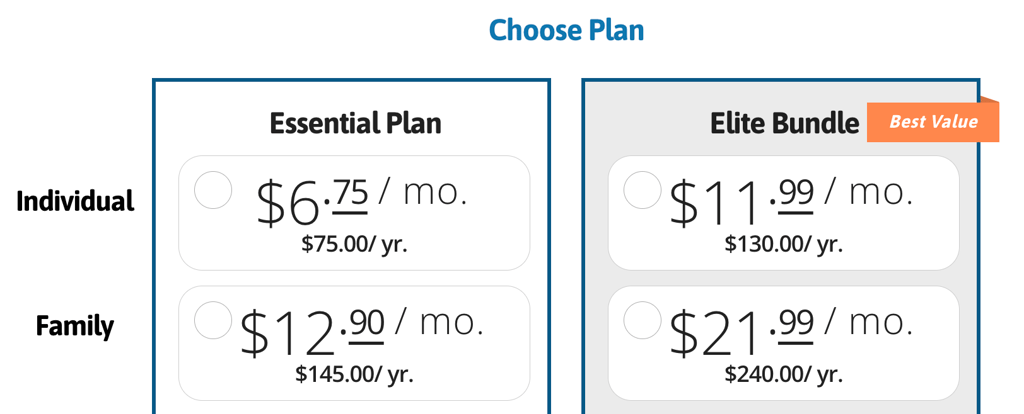
On the downside, Zander doesn’t have a free trial or a money-back guarantee, so you can’t test the service without committing.
Overall, I found Zander’s pricing appealing, especially if you only need a basic identity theft protection, including identity monitoring, recovery assistance, and insurance. You don’t have to pay for the long list of features, but you also don’t get advanced protection like credit monitoring. Moreover, it offers family plans, covering two adults and children at no additional charge.
Compared to Zander, Aura is more expensive, offering three plans: Individual, Couple, and Family. The Individual plan costs from $10.00/month, while the Couple is from $18.00/month. The Family plan starts at $29.00/month and covers up to five adults and unlimited children. Unlike Zander, all plans include a 14-day free trial and a 60-day money-back guarantee for annual subscriptions.
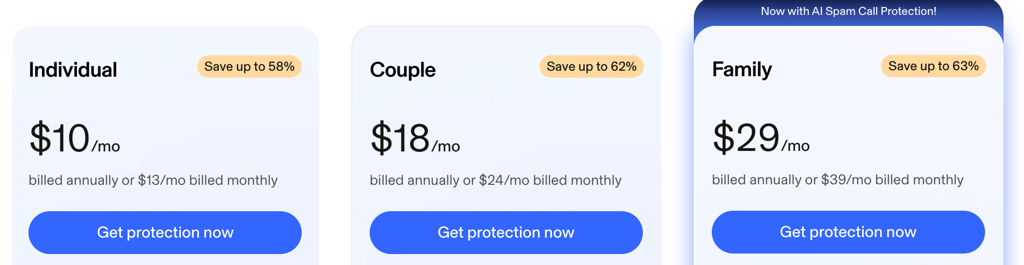
While you do have to pay more for Aura, you also get more for the price. Three-bureau credit monitoring, financial fraud protection, data removal, a VPN, antivirus, a password manager, and many other useful security features are included across the identity protection plans. Family subscribers also get parental controls and child identity protection.
Zander vs Aura: interface and ease of use
Even if you’re using an identity theft protection service for the first time, it shouldn’t be hard to understand what it’s protecting. I compared Zander and Aura from a user’s perspective, looking at everything from the initial setup to how easily I could find important monitoring and protection features.
Desktop experience
When testing Zander on a desktop, I found the entire experience straightforward. It was simple to set up, and once you’re in the dashboard, you don’t have to wander much. You can easily find your monitoring report, identity restoration services, and educational resources. However, while the interface is easy to navigate, it’s also fairly basic compared with more feature-heavy services. There’s no clear overview of personal data status, so you need to open your monitoring report to check for potential issues.
Aura is also easy to use and manage, but the initial setup might take longer than with Zander. That’s because it requires more information from you and offers more features to set up. However, this also gives you access to a much broader range of protection tools. In the dashboard, you can find identity and credit monitoring, financial alerts, data removal, and device protection, although the sheer number of features can make it feel less intuitive when you first start using the service.
Overall, the main difference is that Zander prioritizes simplicity, while Aura prioritizes functionality. If you only want to keep an eye on your identity and have access to recovery assistance, Zander’s basic protection makes sense. Aura is more suitable if you want to manage several types of protection from a single dashboard and don’t mind spending some time getting familiar with it.
Mobile apps
Zander has iOS and Android apps with its core monitoring and restoration features. However, it might not be as smooth as the browser dashboard, as some user reviews point out bugs and crashes. The good news is that Zander keeps improving performance and interface, so during testing, I noticed fewer crashes and a better overall experience.
In comparison, Aura’s mobile app offers a range of features and, generally, makes it easy to check alerts and access different protection tools from one place. However, like its desktop interface, the larger feature set means there’s more to navigate.
Zander vs Aura: customer support
What’s unique about identity theft protection services is that customer support can be just as important as the monitoring itself. If your identity is compromised, you need a support team that can respond quickly and help you through the recovery process. Here are the support channels offered by both providers:
| Support channel | Zander | Aura |
|---|---|---|
| 24/7 live chat | ❌ No | ✅ Yes |
| Email support | ✅ Yes | ✅ Yes |
| Phone support | ✅ Yes | ✅ Yes |
| Help center | ✅ Yes | ✅ Yes |
| FAQs | ✅ Yes | ✅ Yes |
| Identity theft recovery support | ✅ Yes | ✅ Yes |
Both Zander and Aura provide multiple support channels, ranging from useful help centers and FAQs for quick answers to email and phone support if you would rather solve your issue with a support team. However, Aura has a clear advantage, as it offers 24/7 live chat support – which Zander doesn’t have.
When I tested these services, their support teams were responsive and provided valuable answers. However, I should note that while Zander’s phone support was quick, it took a week to receive a response to my email inquiry.
Zander vs Aura: pros and cons
Both Aura and Zander have their strengths and weaknesses, depending on what you’re looking for. Here are the main pros and cons of each service:
Aura: pros and cons
Zander: pros and cons
Zander vs Aura: which one should you choose?
After comparing the two identity theft protection services, I recommend Aura. That’s because it offers much more comprehensive protection by combining identity and credit monitoring with financial alerts, data removal, and security tools like a VPN, antivirus, and a password manager. Zander is solely focused on identity theft protection, recovery, and reimbursement. That can actually be an advantage if you don’t need all the extras and mainly want affordable identity protection with strong recovery support.
Choose Aura if:
- You want to keep tabs on your credit with all three major bureaus
- You want identity and financial monitoring under one roof
- You’d make use of extras like a VPN, antivirus, and password manager
- You want help reducing the amount of personal information available online
- You prefer having more protection features bundled into one subscription
Choose Zander if:
- You want to spend less on identity theft protection
- Your main priorities are identity monitoring, insurance, and recovery
- You value having a dedicated Recovery Advocate when something goes wrong
- You don’t need ongoing credit monitoring
- You’d rather pay extra only if you want additional security tools
All in all, for most people, I’d pick Aura for its broader protection and greater range of features. But if you’re primarily looking for affordable identity theft protection and dedicated recovery assistance, Zander can give you what you need without paying for features you might never use.
FAQ
Is Zander better than Aura?
No, generally, Zander is not better than Aura, but it depends on what you’re looking for. Zander is better if you want affordable identity theft protection with recovery services and insurance. On the other hand, Aura offers more comprehensive protection, as it combines identity theft monitoring with three-bureau credit monitoring, data removal, and security tools.
Is Zander cheaper than Aura?
Yes, Zander is cheaper than Aura, with its Essential plan starting at $6.75/month compared to Aura’s Individual plan for $10.00/month. However, Aura includes substantially more features, so the higher price can make sense if you want credit monitoring and broader security protection.
Does Zander offer credit monitoring?
No, Zander doesn’t offer traditional credit monitoring as part of its identity theft protection plans. Instead, it focuses on personal information monitoring, identity theft recovery, and insurance, while helping members review their credit reports if fraud occurs.
Does Aura offer identity theft insurance?
Yes, Aura includes identity theft insurance with all of its plans, providing up to $1 million per adult for eligible losses and expenses. Family plans can provide up to $5 million in total insurance benefits.
Does Zander have a VPN?
Yes, Zander includes UltraVPN with its Elite identity theft protection plan, with support for Windows, macOS, iOS, and Android. The VPN encrypts your internet traffic and masks your IP address to help protect your online activity.
Is Aura worth the extra cost?
Yes, Aura is worth the extra cost if you want more than basic identity theft protection, as it bundles credit monitoring, data removal, and cybersecurity tools with identity protection. If you only need identity theft monitoring, recovery assistance, and insurance, Zander offers better value at a lower price.