How to remove Search Marquis on Mac


Perhaps you’ve noticed your search results became suspicious? Or maybe your browser and your device slowed down recently? This could mean you’ve been exposed to Search Marquis, a well-known browser hijacker. It primarily targets Mac systems and redirects browsers such as Safari, Chrome, and Firefox to use the adware’s own search engine.
It’s possible to accidentally install Search Marquis via a deceptive link or extension. Fortunately, while the hijacker may be inconvenient, it’s also manageable. You can remove Search Marquis completely by deleting the associated browser hijacker and restoring your browser settings. While uninstalling it is a bit more complicated than installing, our step-by-step guide will show you how to remove Search Marquis from your Mac.

What is Search Marquis?
The Search Marquis virus is a type of malware known as a browser hijacker. The malicious software changes your browser’s settings, replacing your home page and taking over your searches. This means that when looking for information, your content results will be unreliable and often filled with intrusive ads and links that can expose you to malware or ransomware.
| Name | Search Marquis (searchmarquis.com) |
| Type | Browser hijacker, adware, PUA (potentially unwanted application) |
| Device | Mac (though there are Windows variants too) |
| Symptoms | Changed default search engine, redirects to searchmarquis.com, or potentially malicious websites, annoying ads |
| Damage | Possible phishing, data tracking, annoying browsing experience, browser hijacking |
When this browser hijacker infiltrates the system, it alters browser settings so that you’d be continuously redirected to searchmarquis.com when trying to use your default search engine (Google, Bing, etc.). Once you are forced to use this dubious search engine, you are served with annoying ads and redirects to other potentially dangerous websites. It can even change your homepage or new tab settings, all without your knowledge.

Any intentional or unintentional clicks on the displayed ads or other content on redirected sites can lead to further infiltration of cyberthreats and even phishing attempts.
Remove Search Marquis with an antivirus
The best and most convenient way to remove Search Marquis from your Mac is by using an antivirus. The software will ensure that the malware is completely removed from your device, without you having to hunt down different components scattered throughout your system. Here’s how to do it:
- Download and install a reputable antivirus on your Mac. We recommend Bitdefender
- If you’re planning to use a premium antivirus software, choose a plan that best matches your needs
- Open your antivirus app
-
Run a full system scan
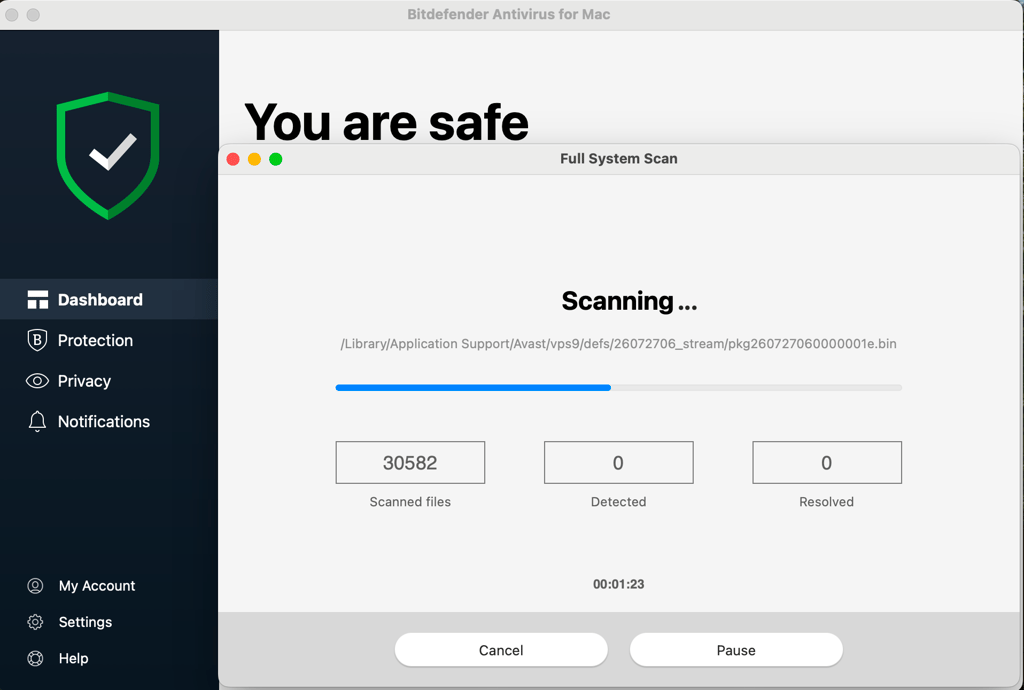
- Once the malicious software is found, remove it by following the instructions provided by your antivirus to fully remove the Search Marquis browser hijacker
- It’s a good idea to reset your browser settings and reboot your computer; you can also scan any external devices like USB sticks or hard drives
- Activate real-time protection to keep your device from being infected again
How to remove Search Marquis from Mac manually
It’s faster and oftentimes more reliable to use dedicated antivirus software like Bitdefender to get rid of Search Marquis. However, you might want to learn how to remove this adware by yourself. You should just keep in mind to be very thorough in deleting all the remnants of this hijacker from your system. To help you remove Search Marquis manually, follow the steps below.
Step 1. Delete malicious programs
- Open Finder on your Mac computer
- Select the Applications folder
-
Look for the Search Marquis application and drag it to the Bin
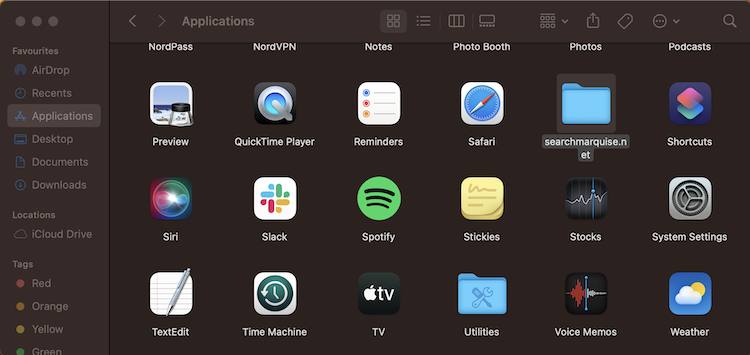
- Empty your Mac’s Bin
Step 2: Remove Login Items
- Head to the Apple Menu and choose System Settings
- Open General
- Choose Login Items & Extensions
-
Choose Login Items & Extensions

- Select Search Marquis and click on the minus (-) icon
Step 3. Delete files that have installed Search Marquis
-
Go to Finder and, from the menu bar, choose Go to Folder

-
Type ~/Library/LaunchAgents

-
In the Launch Agents folder, search for files with Search Marquis mentioned in the name

- Drag and drop files to the Bin
- Restart your computer after you repeat the process with other folders, including "/Library/LaunchDaemons", "/Library/Application Support", and "~/Library/Application Support"
Once you remove the Search Marquis virus from your Mac, don't forget that it also affects your browser. So, make sure to take appropriate measures to remove this malware from your browser, too.
Step 4. Check your browser’s extension list
Before you set out to delete all the files related to Search Marquis from your browser, you should check if there are any extensions tied to this adware or if there’s anything in the extension list that you don’t recognize. Here’s how you can double-check your extensions tab:
-
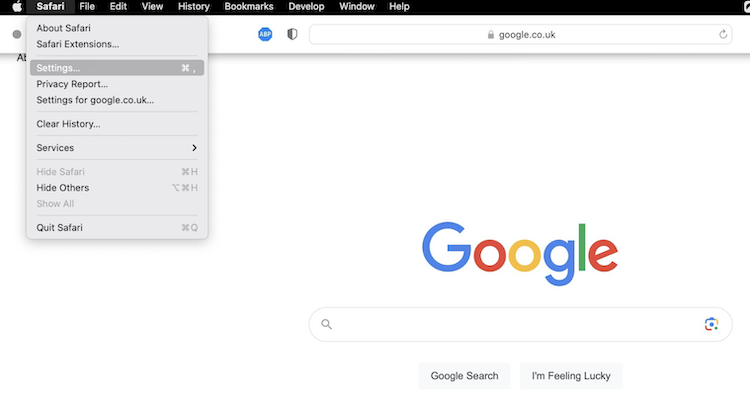
Open the Safari menu and select Settings
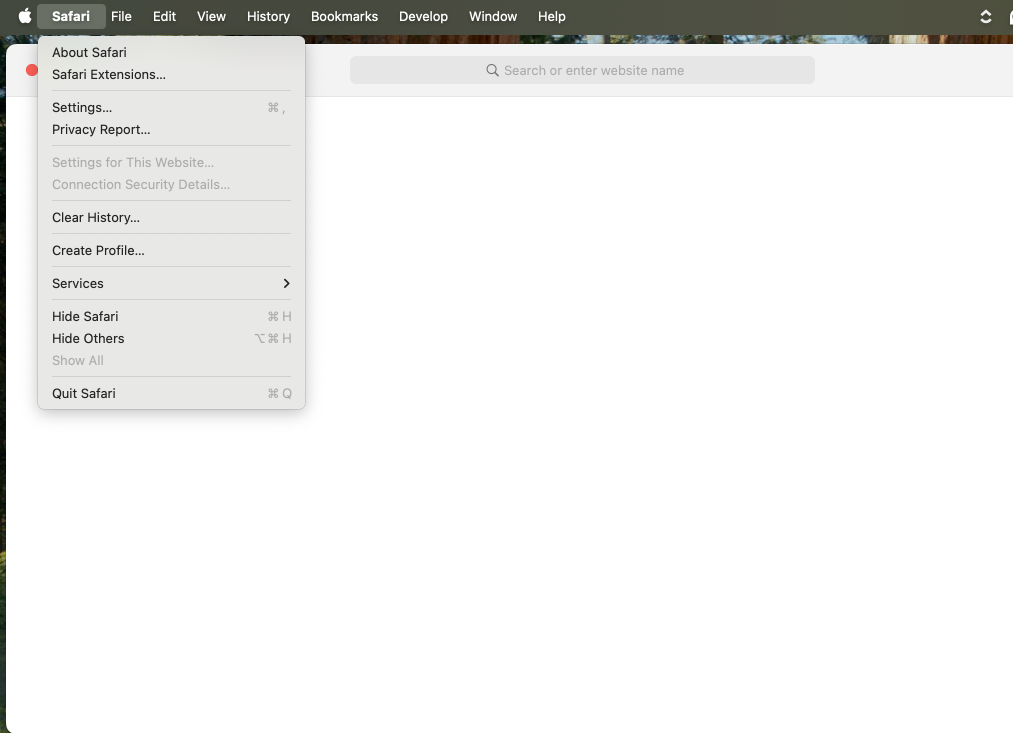
- Click the Extensions tab
-
Look through the list for anything tied to Search Marquis (or any extension you don't recognize)
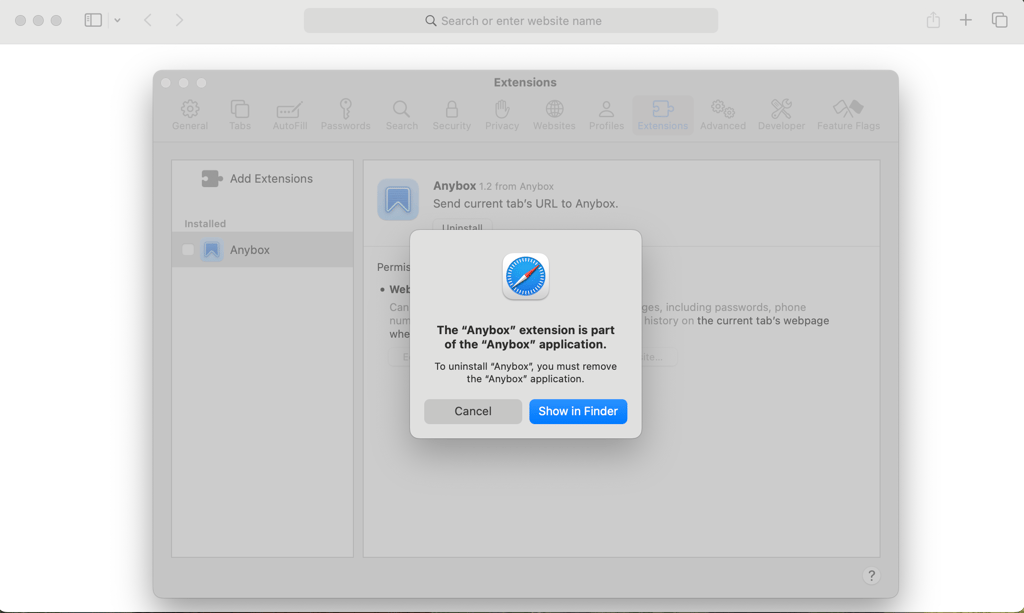
- Select it and click Uninstall
-
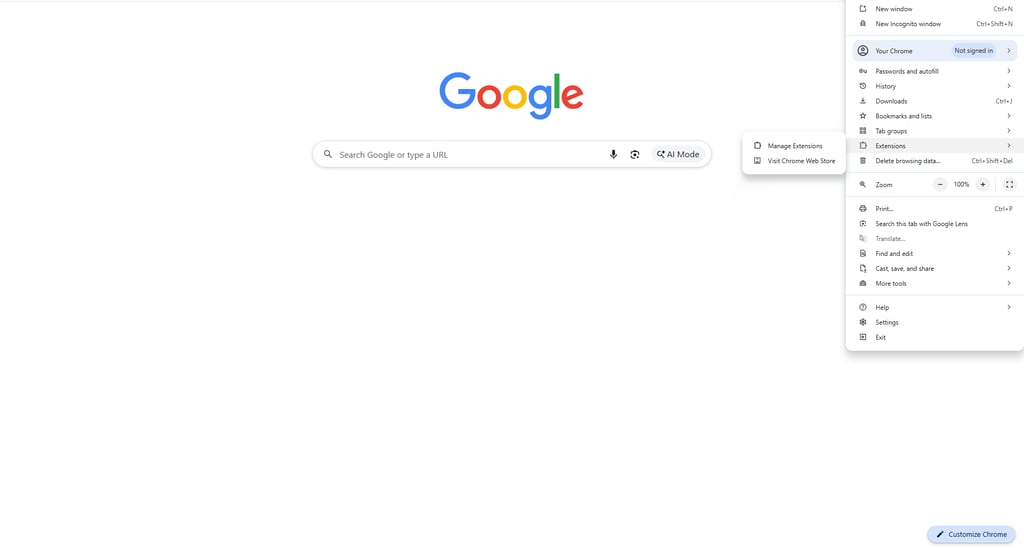
Type chrome://extensions into your address bar and hit Enter (alternatively, access the Extensions tab from browser settings)
-
Check the list for anything suspicious or unfamiliar
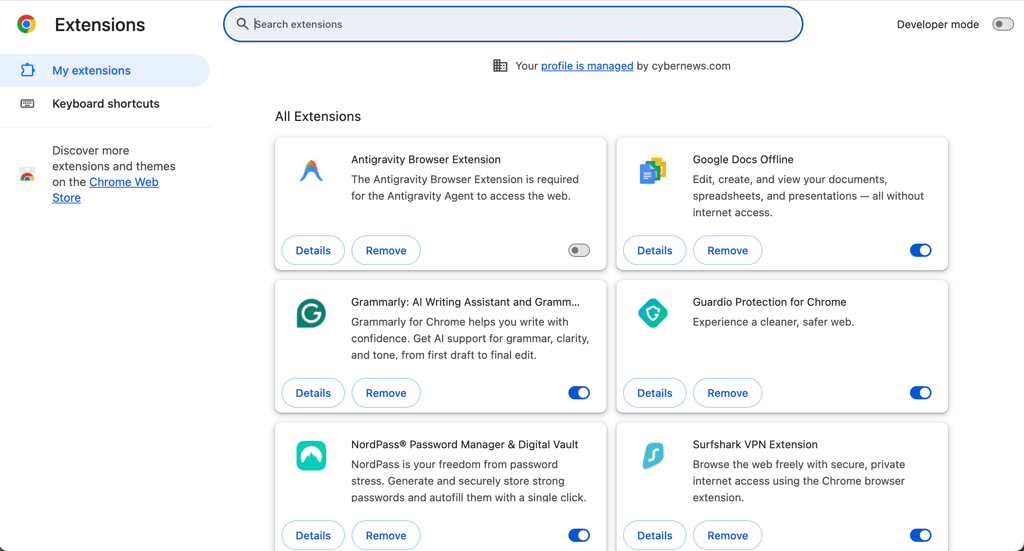
- Click Remove next to it
- Enter about:addons in your address bar
-
Open the Extensions tab
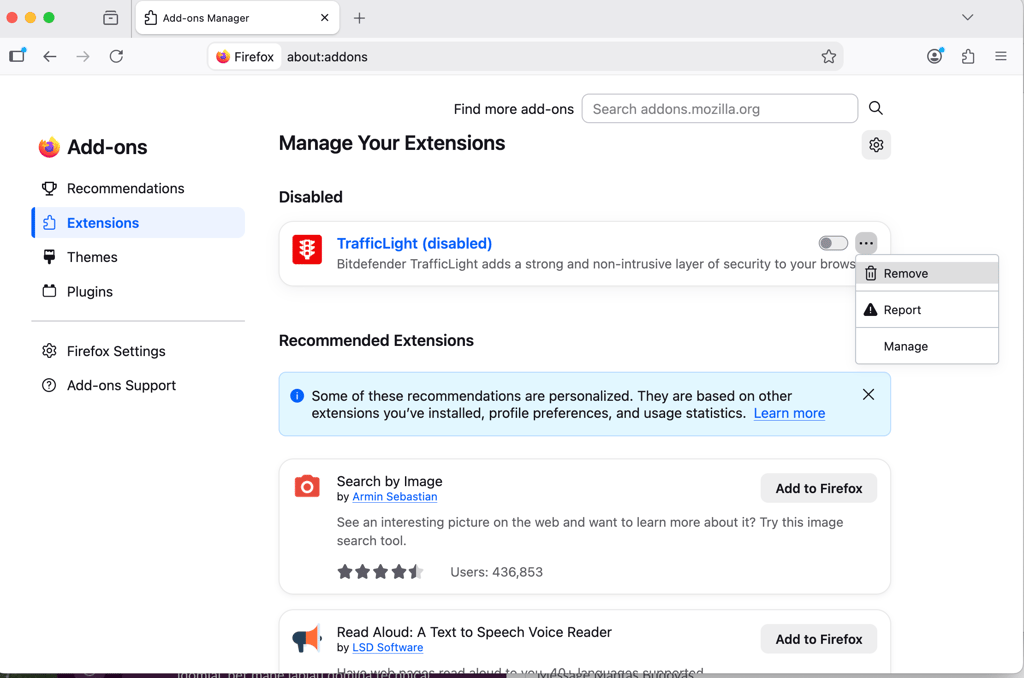
- If anything looks unfamiliar, click the three-dot menu beside it and choose Remove
Step 5. Remove browser hijackers from your browser
Browser hijackers like Search Marquis perform malicious alterations to your browser settings. If you want to get rid of it, you must reset your browser to the default settings. Below, you’ll find guides showing how to remove the Search Marquis from your browser.
- Launch the Safari browser and click Safari in the top left corner
-
Navigate to the Settings section, and in the new window locate Privacy
-
In the Privacy section, select Manage Website Data

-
Choose Remove all and confirm the action

-
Open Google Chrome, click on the 3 dots in the top right corner for the drop-down list, and choose the Settings option

-
Click on the Advanced tab on the left and choose the Reset Settings at the bottom

-
Confirm the reset by clicking on the Reset Settings button

- Restart Chrome
- Open the Firefox browser and click on three lines (also known as a burger menu) in the top right corner
-
Select Help and click More troubleshooting information

-
In the new window, choose Refresh Firefox

- Confirm the process
Final step: scan the device with Bitdefender
Once you’re done removing the Search Marquis adware from your device, it’s a good idea to run a final scan with your preferred antivirus software (I recommend Bitdefender). This will ensure your device is clean and no remnants of this hijacker are left.
- Run Bitdefender (or other reliable software)
- Go to scan options and choose the type you want (Quick scan, Full scan, or Custom scan)
- Run a scan and let it complete
- View the results and, if prompted, take recommended steps
How to tell if your Mac is infected with Search Marquis
If you wonder whether your Mac is infected with the Search Marquis virus, you should look for distinct malware symptoms.
Here is the list of signs indicating that your device might be infected:
- Redirects to searchmarquis.com. Your Mac is infected if your preferred search engine, like Google, switches to Search Marquis whenever you open your browser.
- Annoying ads. Results delivered by searchmarquis.com are modified by the adware and often riddled with ads. These ads often appear as banners or pop-ups that promote suspicious services or lead to dubious websites.
- Sponsored sites are at the top of SERP results. You might also notice that the search engine results page results at the top of the page are tagged as sponsored. URLs of these sites look different, with unusual domains, such as “.ly”, also numbers or dashes in names.
- Redirects to questionable sites. Alternatively, your Mac may be infected with Search Marquis adware if you experience never-ending redirects to suspicious pages. They might be used for phishing or other malicious activities that cause data or financial losses.
- New and unrecognized add-ons. You should also be aware of browser extensions and other add-ons that you haven’t installed yourself. If you find any suspicious files, there’s a high chance that your Mac has a Search Marquis hijacker.
Video tutorial
Check out the detailed video tutorial on how to remove Search Marquis from Mac:
Conclusion
While Search Marquis is little more than a search hijack, if left unchecked, it can also expose your device to further malware. The good news is that removal is straightforward: run a full scan with a trusted antivirus tool, like Bitdefender, remove any detected components, reset your browser settings, and restart your device.
If you've followed these steps and redirects are still happening, there’s no need to panic. This usually just means a trace of the hijacker (such as a leftover configuration profile or extension) was missed during the initial sweep. Running a second full scan and double-checking your browser extensions and profiles will typically clear it for good. Once that's done, your browser should return to normal, with your chosen search engine and homepage staying put.
FAQ
Is Search Marquis a virus?
No, Search Marquis is a browser hijacker, which is a type of malware. It gets onto your device through infected attachments, bogus applications, and malicious links. The browser hijacker may spread adware, ransomware, and other malware onto your Mac.
Why does Google Chrome say Search Marquis?
If your browser redirects you to searchmarquis.com, your device is infected with the Search Marquis virus. It’s a browser hijacker that is designed to take over most popular browsers, like Safari, Chrome, etc. You can follow Search Marquis removal guidelines to get rid of this threat.
Why does my Mac browser keep going to Search Marquis?
If your Mac is infected with the searchmarquis.com browser hijacker, Search Marquis might appear when you're browsing. You can uninstall it using Bitdefender or by resetting your browser settings to stop these pop-ups.