Apple and Broadcom extend chip supply deal for 5 years
Apple navigates an AI-driven chip crunch.
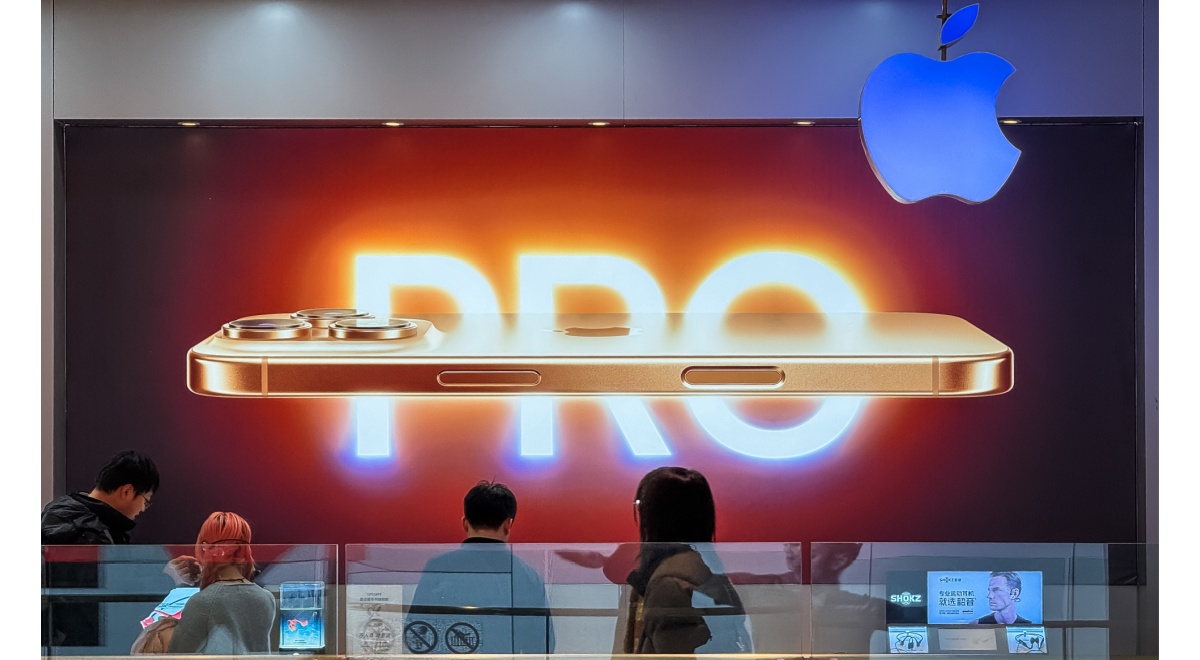
AI chip crunch pushed up prices of some Apple products. Cheng Xin/Getty Images
 Follow us
- Apple and Broadcom extended their chip supply partnership through 2031, easing concerns about the iPhone maker's reliance on the chipmaker.
- Broadcom shares rose more than 5%, reflecting investor relief over continued business with one of its largest customers.
- Apple still depends on outside chipmakers despite developing its own chips and the deal strengthens its supply chain.
Key Takeaways by nexos.ai, reviewed by Cybernews staff.
Broadcom said on July 6th it has agreed to expand its partnership with Apple through 2031 to develop and supply custom chips, easing concerns over the iPhone maker's reliance on the chipmaker.
The chipmaker, whose shares jumped more than 5%, has been supplying key components to Apple for a very long time, including radio frequency chips used in iPhones for connecting to cellular networks, Wi-Fi and Bluetooth connectivity chips and other networking semiconductors.
Apple accounts for about 20% of Broadcom's annual revenue, according to analysts, making it one of the chipmaker's largest customers. Despite developing its own chips, including the C1 modem, Apple relies on Broadcom for wireless and radio-frequency components.
The extended partnership reinforces Apple's strategy of locking in long-term supply agreements with key chipmakers to bolster the resilience of its supply chain.






"For Broadcom, it's a five-year annuity from the world's most demanding customer, stacked on top of the hyperscaler XPU ramp. Broadcom wins either way the AI cycle breaks," said Daniel Newman, CEO of tech research firm Futurum Group.
The companies had in 2023 announced a multibillion-dollar agreement for Broadcom to develop and manufacture 5G radio frequency components.



Stay updated with our latest stories and follow us on social media
Be the first to discover new stories, ideas, and updates from our team.
The boom in inference – the process by which models respond to user queries – has made custom chips crucial, increasing the orders for advanced processors and intensifying competition.
Apple relies on Taiwan's TSMC, the world's largest contract chipmaker, for its in-house processors, including the M-series chips that power its Mac computers and the A-series chips in iPhones.