CISA warns Storm Fern could disrupt critical US infrastructure
The US Cybersecurity and Infrastructure Security Agency (CISA) is warning that Winter Storm Fern could disrupt power grids, communications networks, and critical digital infrastructure as millions across the US brace for severe winter weather.
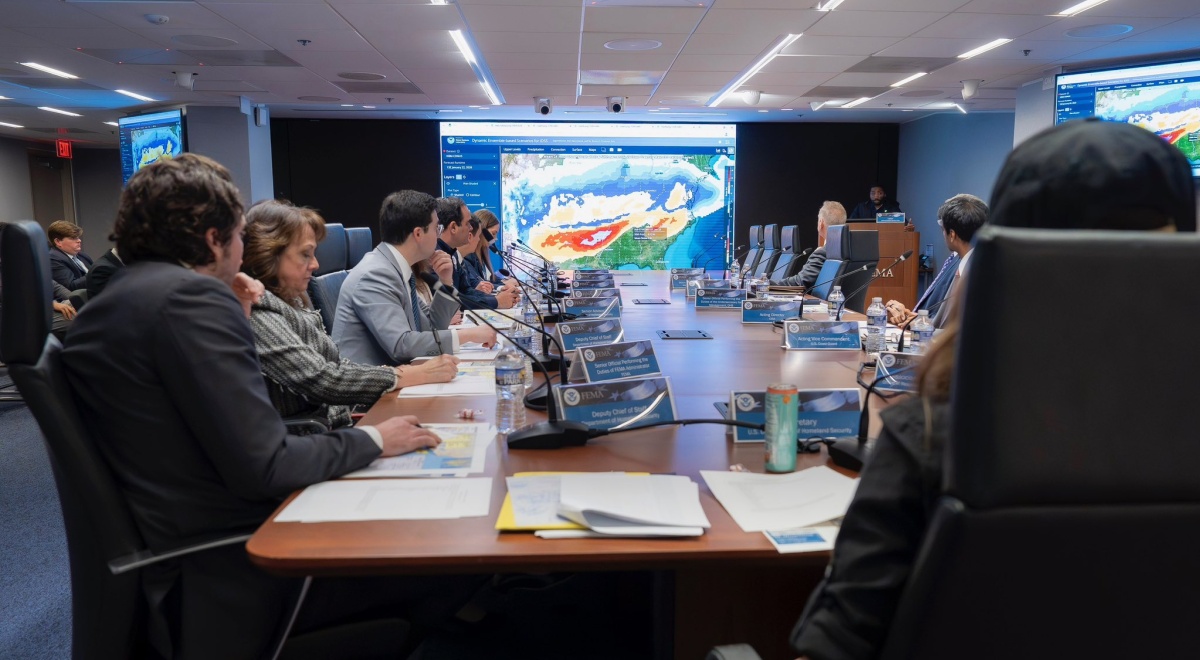
Image by US Department of Homeland Security

 Follow us
The US Cybersecurity and Infrastructure Security Agency (CISA) is warning that Winter Storm Fern could disrupt power grids, communications networks, and critical digital infrastructure as millions across the US brace for severe winter weather.
- CISA warns winter storms could disrupt power, communications, and emergency services across the US.
- Hackers often exploit disasters, with combined weather and cyber incidents causing triple the damage.
- Millions of Americans face outages, flight cancellations, and infrastructure strain as the storm moves east.
Key Takeaways by nexos.ai, reviewed by Cybernews staff.
The US cyber watchdog agency on Friday posted the alert on X ahead of heavy snow, ice, and frigid temperatures expected to blanket the Eastern half of the United States starting on Sunday as Winter Storm Fern moves across the region.
Part of CISA’s mission is to ensure critical infrastructure is protected against extreme weather threats, and with more than a dozen governors already declaring official States of Emergencies, the agency has its hands full.
Cybersecurity is not just for defending what’s behind the computer screen, but also protecting the physical components that house our digital lives.



And then there are hackers, who often see extreme weather events as force multipliers for launching attacks (more on that below).
“DHS, FEMA, CISA, USCG, and our other federal partners are closely monitoring conditions and coordinating with state and local partners to ensure readiness,” US Department of Homeland Security Secretary Kristi Noem also said in a statement released on X on Friday.
Critical infrastructure sectors at risk
From energy and water supplies to transportation and basic communication, catastrophic ice accumulation can cause prolonged power outages, disrupting digital infrastructure and the emergency services that rely on it during natural disasters.
At least 230 million people are now under some form of winter weather alert as Storm Fern pushes east, with some parts of the nation predicted to get more than a foot of snow and other parts expecting wind chill temperatures of minus 50 degrees Fareenheit, according to the latest updates by NBC News.
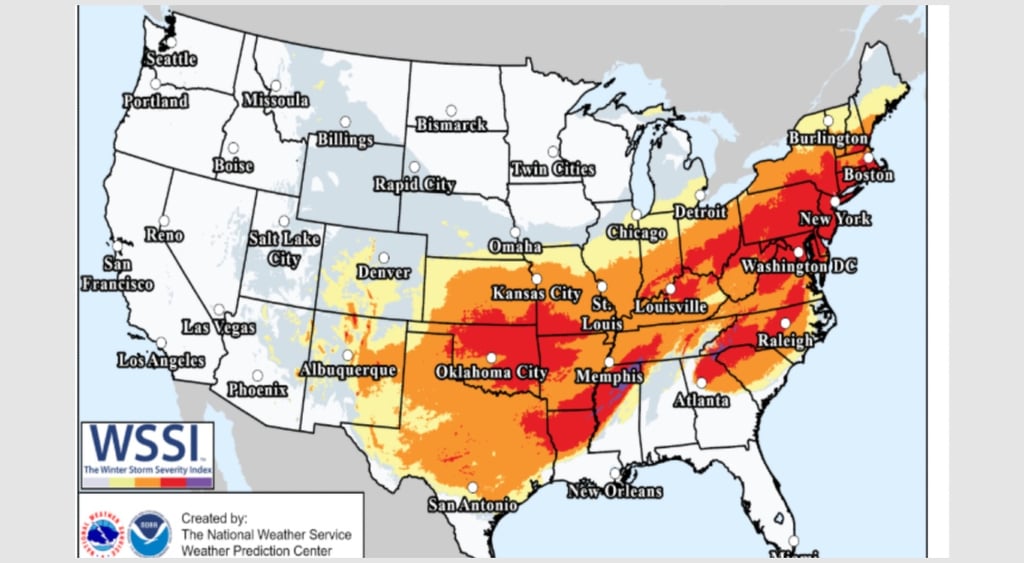
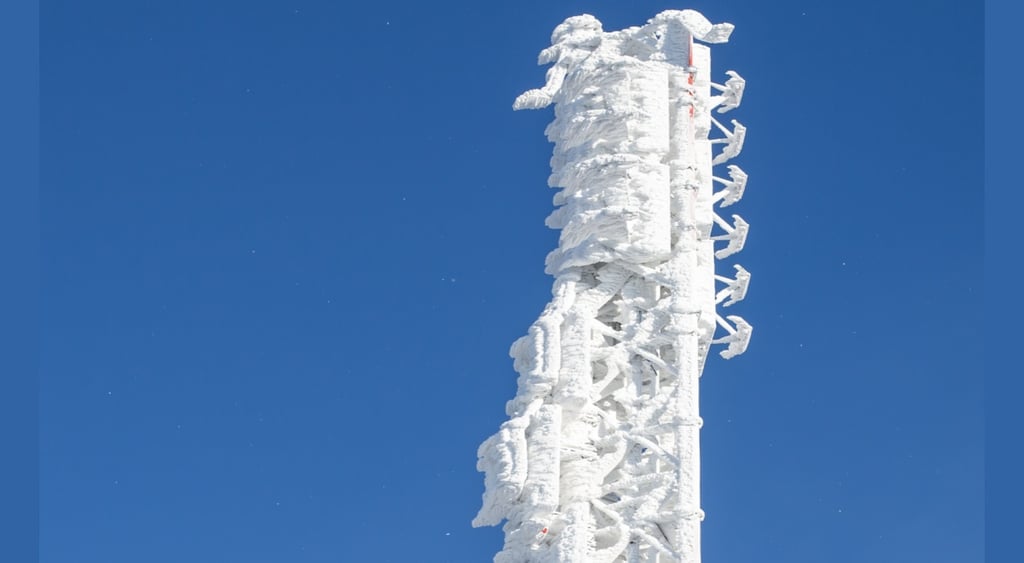
“Frozen electrical equipment such as transformers, renewables like windmills and solar panels, and fuel pipelines can result in an inability to meet energy demands,” CISA states.
Furthermore, CISA says frozen or cracked water, oil, and gas pipelines can cause pressure buildup or expansion, resulting in further damage or pressure loss.
Forecasters say the storm will impact at least a dozen major US cities, including Boston, New York City, Philadelphia, Washington, DC, Baltimore, Atlanta, Nashville, Charlotte, Oklahoma City, and Dallas.
So far, nearly 2,000 flights have been canceled nationwide, with another 1,500 delayed through Saturday. Many metro train systems have also announced shutdowns ahead of Sunday.
Mobile networks brace for outages
Telecom providers are also racing to shore up infrastructure in the lead up to the storm.
Mobile carriers, including Verizon, AT&T, and T-Mobile, are scrambling to prep backup battery power and mobile generators across the US, with AT&T also “boosting network capacity for higher call volume.”
Verizon said it also took proactive measures nationwide ahead of the winter season to harden cell sites and infrastructure, including assembling rapid-response teams and ready-to-deploy emergency command centers, pre-arranged fuel deliveries, and installing sub-zero switches and specialized insulation for snow-prone regions.
Mobile customers are being urged to fully charge their phones before the storm and conserve battery power. The carriers also say users should limit non-emergency calls and store devices and batteries in a dry place.
Cyberattacks and major weather events
“Attackers are increasingly timing ransomware, DDoS attacks, and other campaigns to coincide with disasters, when resources and attention are focused elsewhere,” according to a recent podcast by ArmorText, which provides critical and ultra-secure communications for government agencies for use during major disaster events.
“Real incidents show entire regions unable to coordinate because every communication tool is powered by the internet,” the company says.
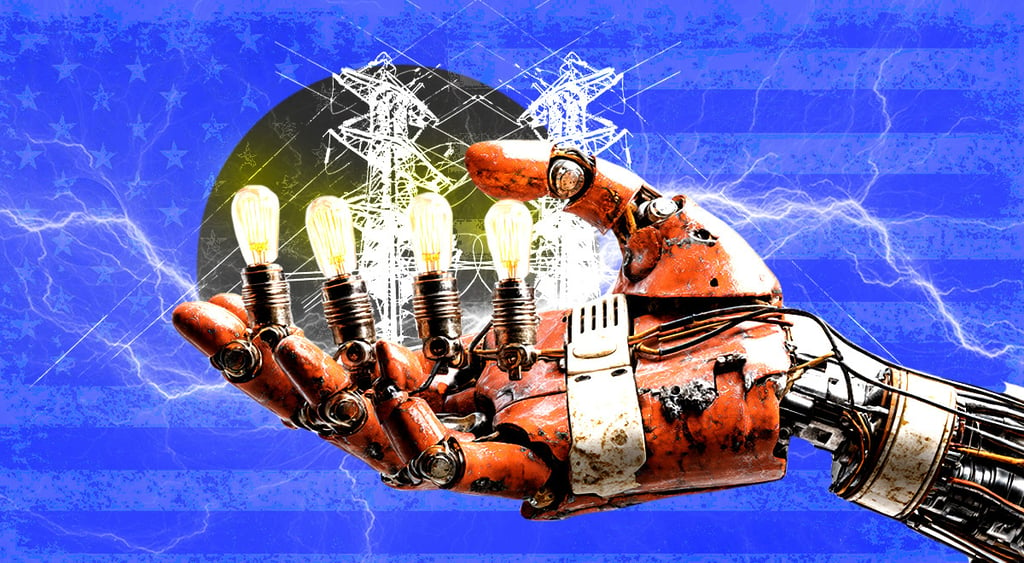
The podcast explains that physical outages further drive cyber exposure, citing the 2024 Johns Hopkins Whiting School of Engineering study, Double Trouble: When Weather Emergencies Meet Malicious Hackers.
The John Hopkins study found that the combination of a weather event and a cyber-attack results in impact more than three times greater than a standalone attack.
This combination exacerbates grid vulnerability, while also making recovery efforts longer and more difficult.






ArmorText also points out that power loss can disrupt even the most basic cybersecurity defenses, including “patching, monitoring, and data capture, creating compliance gaps and easier targets.”
Furthermore, individuals are said to be more easily distracted by personal disaster recovery and more likely to click on phishing emails and other scam content.
Even data centers, which are normally at risk from excessive heat, also face threats during a power outage, whether through a failed backup power supply or the lack of staff around to help deal with any physical security issues, such as a power generator malfunction.
For more information on how to properly prepare for this weekend's storm and what to do in case of an emergency, you can visit ready.gov.
Unlock more exclusive Cybernews content on YouTube.