Flock planned to turn Uber and Lyft cars into mobile surveillance vehicles
350,000 Uber, Lyft, and delivery drivers were earmarked for surveillance.
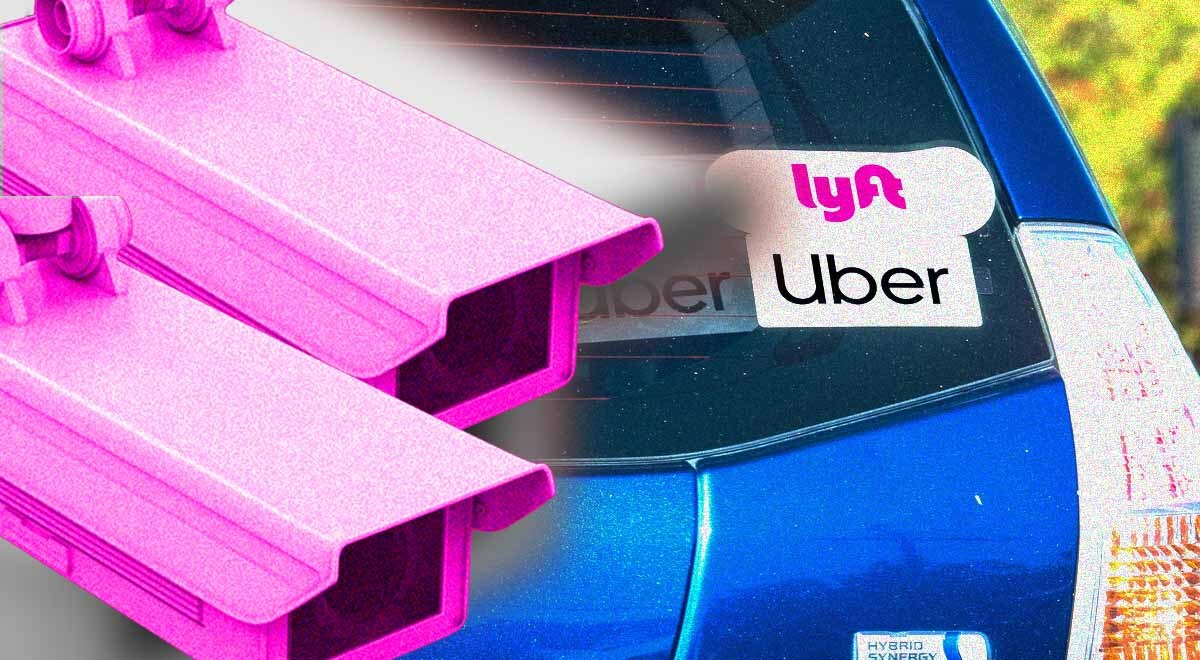
Image by Cybernews.

 Follow us
- A leaked pitch shows Flock Safety planned to add 350,000 rideshare and delivery cars to its license plate surveillance network.
- The proposal involved Nexar dashcams scanning plates along drivers’ routes, but no deal with Uber or Lyft exists.
- Privacy critics warn the system could expose sensitive travel patterns, relationships, medical visits, and bystanders captured by cameras.
- Flock faces growing bipartisan backlash, with more than 20 local jurisdictions moving toward canceling contracts over surveillance concerns.
Key Takeaways by nexos.ai, reviewed by Cybernews staff.
A leaked document shows that Flock Safety, the company behind the highly controversial network of automatic license plate readers across the US, was planning to convert 350,000 Uber, Lyft, and delivery cars into a sort of mobile extension of its surveillance system.
As of today, Flock only employs smart pole cameras across America. But the company has more ambitious plans.
Despite growing protests, the Lancaster Police Department in the state of New York is planning to start using Flock drone cameras in September, for example. They would fly over designated areas to provide rapid response capabilities.
And according to a leaked Flock presentation obtained by 404 Media, the firm recently pitched an idea to expand its surveillance network by equipping rideshare vehicles with dashcams that can scan license plates along their routes.





The document depicts a proposed partnership between Flock and dashcam maker Nexar, a firm already pushing devices to rideshare drivers.
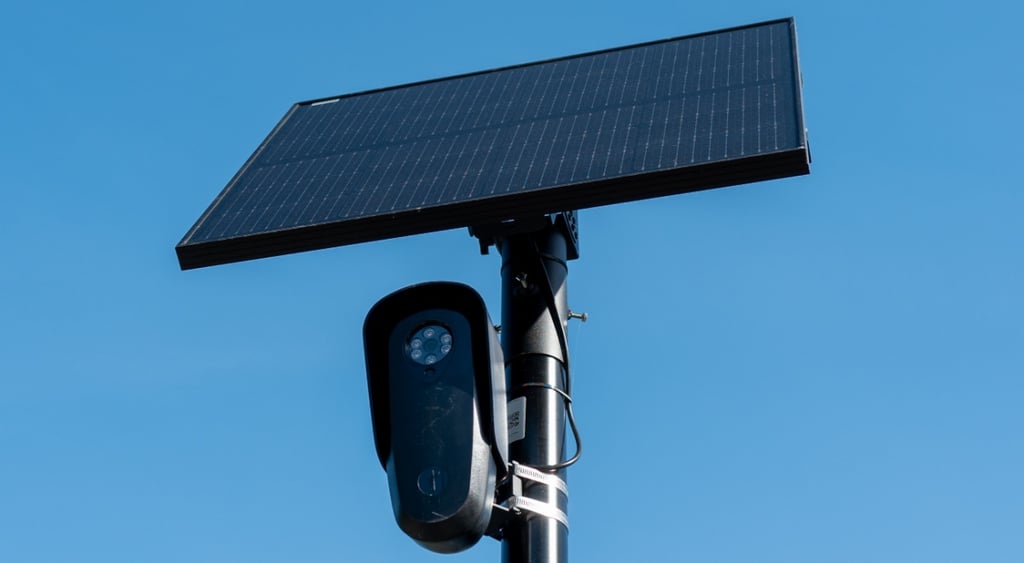
According to 404 Media, the pitch, shared with the news website by Jason Hunyar, a Georgia resident who obtained it through a public records request, shows that Flock was actively marketing the idea to prospective customers last year.
It’s unclear whether those hundreds of thousands of rideshare drivers would have known their cars were collecting data from passing vehicles.
Critics already point to a growing number of incidents when the cops were found to have used Flock license plate readers to stalk people, for instance, their exes.
Indeed, knowing the location of an owner’s car can be used to deduce sensitive information such as religious beliefs, personal relationships, doctors’ appointments, and so on. Furthermore, stills captured by the camera can include passersby, and therefore, expose more innocent people.
Bipartisan backlash against the company has been growing lately. As per Politico, over 20 local jurisdictions, concerned over mass surveillance and data privacy, moved toward canceling Flock contracts in July.
Flock’s proposal, however, never went further than that: no such deal with companies like Uber or Lyft exists. Still, it shows the scale of Flock’s ambitions in finding new data sources.
404 Media had earlier reported on a security breach that exposed a large chunk of data from Nexar customers, including footage recorded near sensitive military sites.
Curious what others think about this story? Contribute your thoughts to the debate below.
In May, it also reported that Flock was building a massive people lookup tool that would use hacked data to “jump from license plate reader to person.” Those plans were later scrapped.
Bipartisan backlash against the company has been growing lately. As per Politico, over 20 local jurisdictions, concerned over mass surveillance and data privacy, moved toward canceling Flock contracts in July.
