London public transport hit by another cyberattack, exposing data of 265K Oyster photocard users
Authorities say the incident has been contained.
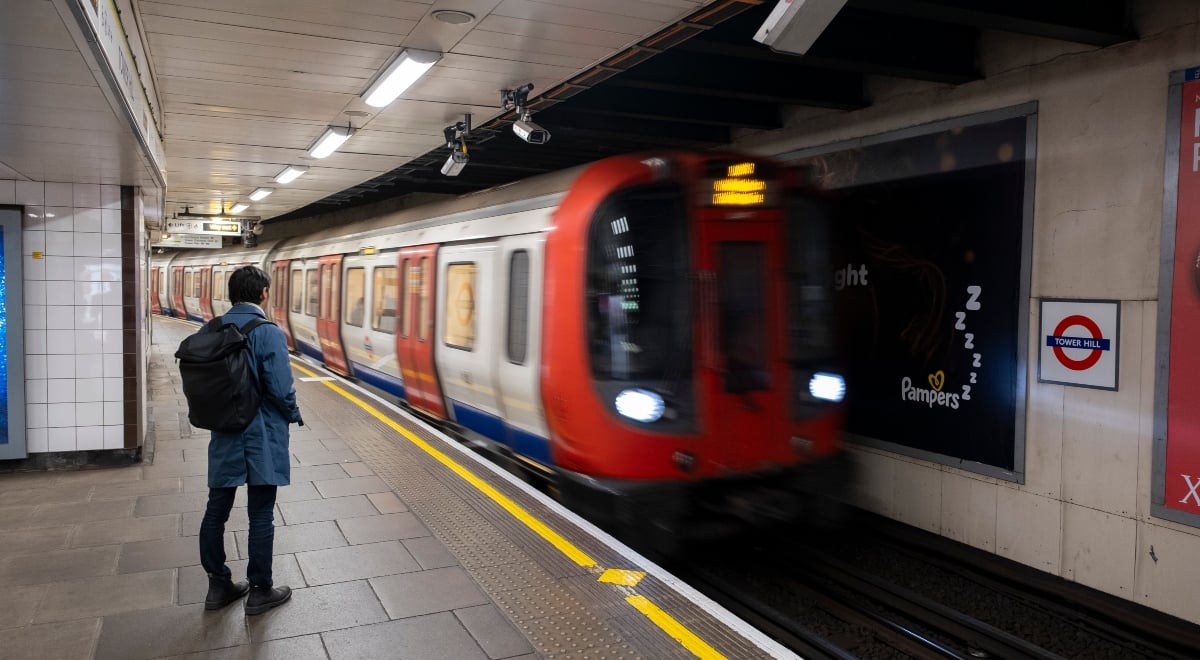
London Underground train. Photo by Mike Kemp/In Pictures via Getty Images.

 Follow us
- TfL says attackers accessed personal data of about 265,000 Oyster photocard customers.
- Exposed details include names, contacts, home addresses, dates of birth, and security questions and answers.
- TfL says payment details, passwords, journey data, and photocard photos were not compromised.
- Authorities say the incident is contained and existing Oyster photocards remain valid for travel.
Key Takeaways by nexos.ai, reviewed by Cybernews staff.
Transport for London (TfL) has confirmed that attackers accessed sensitive information belonging to around 265,000 Oyster photocard customers. The incident comes two years after hackers stole the data of around 10 million TfL customers.
According to TfL, the compromised data includes customers' full names, email addresses, phone numbers, home addresses, dates of birth, and account security questions and answers.
Oyster photocards provide free or discounted public transportation in London for older residents and veterans, as well as eligible children, students, apprentices, and care leavers.
TfL said that the names and dates of birth of children with Zip Oyster cards were not compromised. Passwords, bank or payment card details, journey information, and photocard photographs were also not compromised, according to the transport authority.






TfL said that affected photocard accounts started receiving unexpected emails from TfL's own systems asking them to create accounts. Subsequently, TfL took the photocard website offline while investigating.
In the meantime, according to media reports, existing Oyster photocards remain valid for travel and can be topped up at ticket vending machines. Customers are also advised to change passwords and security questions reused on other websites.
“Attractive target”
Shashi Verma, TfL's director of technology strategy and revenue, told BBC Radio London that attackers can now find weaknesses in systems more easily and "this is a very difficult game to keep up with."
"If you're an attractive target, you have to be prepared that somebody will come after you, and find a weakness and get inside," Verma was quoted as saying.
The incident was now contained, he said.


Stay updated with our latest stories and follow us on social media
Be the first to discover new stories, ideas, and updates from our team.
It's not the first time TfL has become a victim of a cyberattack. In 2024, criminals disrupted several online services, including new Oyster photocard applications, customer journey histories, and some live travel information.
BBC reported in March earlier this year that this attack affected the personal data of around 10 million people, while TfL claimed at the time that only "some" customers were affected.