Met Police test new facial recognition app that identifies suspects within seconds
No consent needed.
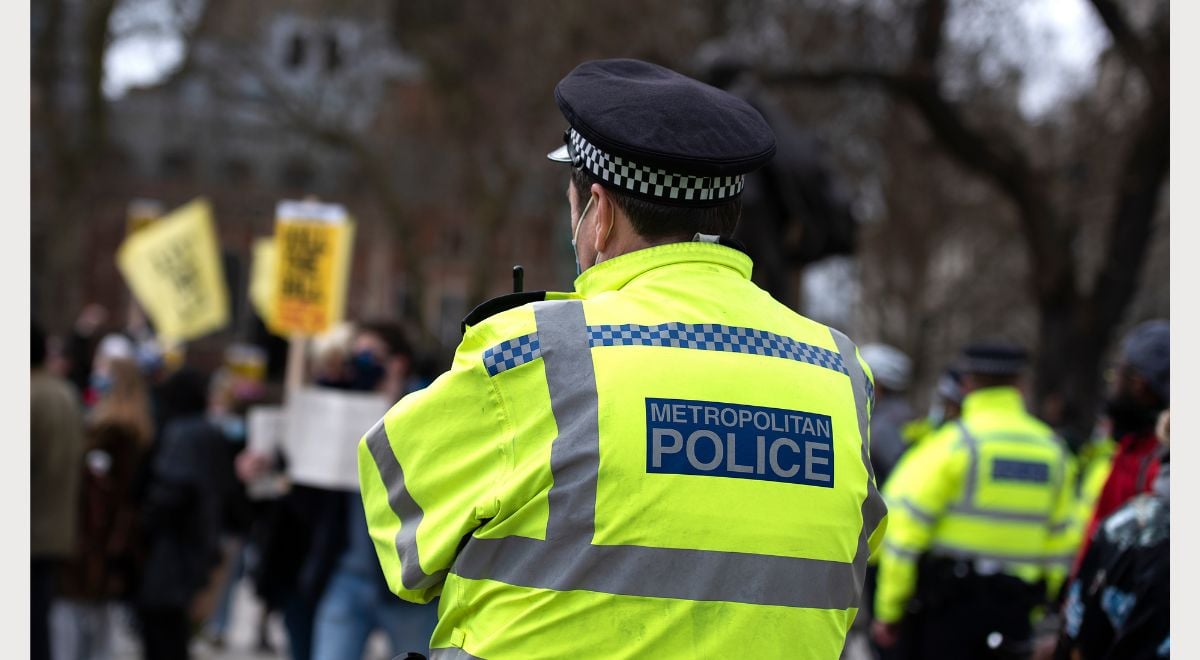
Image by Loredana Sangiuliano | Shuttterstock

 Follow us
- The Met is testing a phone app that can identify suspects by searching custody images within seconds.
- The six-month trial involves 100 trained officers in central London, Croydon, and Brixton.
- Officers must tell suspects before taking a photo, but they do not need consent.
Key Takeaways by nexos.ai, reviewed by Cybernews staff.
Police in London are now testing a new way to identify offenders on the street within seconds.
All officers need to do is take out their work smartphone, take a photo of a suspected offender, and run the image through an app that searches the Metropolitan Police's custody list for a match.
A total of 100 officers were trained to use the new facial recognition tool over the next six months, a set trial period.
The facial recognition tool will be used in central London and in two custody suites in Croydon and Brixton, The Telegraph reported.






Limited cases of use
The tool can only be used to identify a person suspected of a crime or seen as posing a danger to others or themselves.
Before taking a suspect’s image, the police officer must inform them that a photo of them will be taken.
The new recognition tool aims to help the police when a suspect is uncooperative and doesn’t want to confirm their identity.
Nevertheless, the police can’t force a person to take a picture, so if a suspect tries to get away from it, the officers then have to follow the general procedure established in such cases, for example, taking a person to the station.


Stay updated with our latest stories and follow us on social media
Be the first to discover new stories, ideas, and updates from our team.
The police won’t use the app on suspects who they believe are under 13 years old. Suspects who are under younger than 18 years old will be excused for the first month of the trial.
When police took a picture of The Telegraph’s editor Charles Hymas, the app revealed an accuracy rating of 8,900 out of 9,999. The accepted threshold is 6,600.
The high rating was achieved not because Hymas is on the criminal list, but because he gave the police his photograph for testing purposes.
The app showed his image and information such as his full name, custody ID and perhaps some more information that police didn’t show publicly.
Another tool to dislike?
Despite the Met’s explanations that the app will be used only in cases when suspects don’t agree to be identified, critics say the tool may still be problematic.
“Waiting for the inevitable story about how they are using this to stalk or harass women,” wrote one Redditor.
It’s been previously reported that in the US, at least 50 officers were caught using license-plate reader systems, such as Flock, to stalk their ex or current partners.
Met Police can now take a picture of suspects on their phone without consent
by u/JackStrawWitchita in TheUnitedKingdomNews
Some commenters were worried about the data that such an app would potentially collect.
“Can you imagine they lose their phone,” one user said.
“If an individual has their photo taken and there is no match, then their biometric information will be deleted straight away,” Lindsey Chiswick, the Met’s lead for facial recognition, told The Guardian when the project was first announced.
Easier to use than Facewatch or Flock?
This dissatisfaction and concern should come as no surprise given the backlash against any surveillance systems.
While the tool in testing may seem as another addition to already existing surveillance systems, this one is literally at arm’s length.
Unlike the system being tested by the Met, other surveillance systems, such as Flock or Facewatch, need time to identify someone through camera footage, rather than allowing officers to get an instant match using a smartphone.
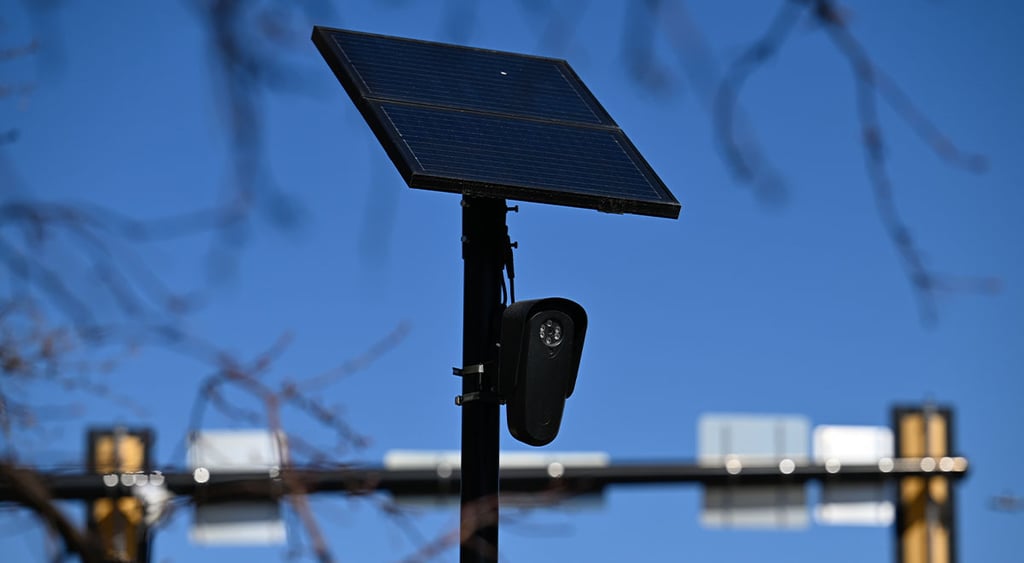
Flock Safety is a surveillance technology company known for its automated license plate readers and public safety cameras. The information from these cameras is accessible through a network used by law enforcement and organizations.
The same surveillance tool has inspired an anti-surveillance movement across the US, such as DeFlock.
Another example of a surveillance tool that has been condemned by the masses is Facewatch. It’s an AI-powered surveillance system that flags shoplifters.
However, there have been multiple cases where people were wrongly accused of theft, even though they were innocent.
Comedy promoter Matt Arnold was kicked out from a Sainsbury's after Facewatch's AI wrongly flagged him as a shoplifter.
To make matters worse, in many cases, those who were flagged by the system and then asked out from the shop were left without an explanation as to why they’re no longer welcome there.