Leaked Flock AI tool allows cops to search for suspects by driving habits
Critics warn police may be tempted to "fish" for crimes
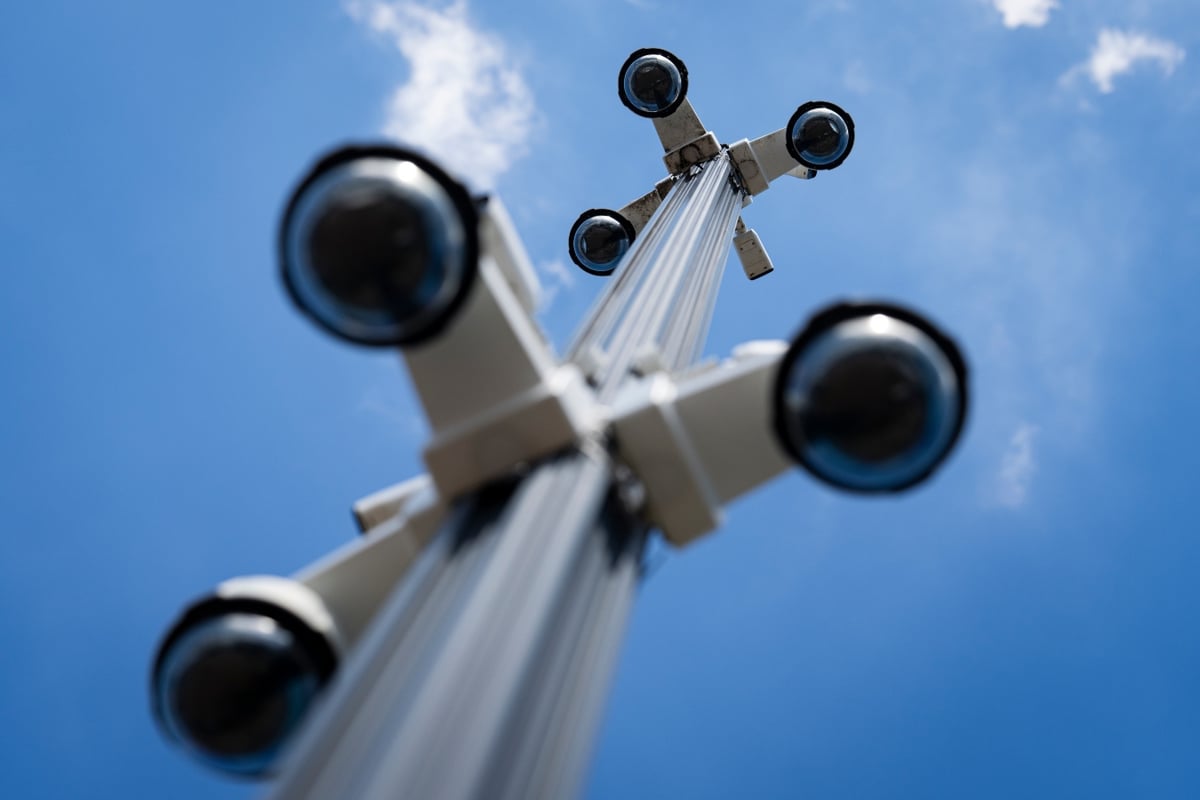
A Flock surveillance camera.

 Follow us
- Flock's OS Investigate (formerly Nightshift), which is still in development, lets police search for people and vehicles by their movements, with no plate, name or crime needed.
- Reconstructed by Wired from 450+ exposed files, it uses nearly 70 built-in prompts, like finding "witnesses" by vehicles seen most in a neighborhood over 14 days
- It cross-references Flock's 120,000 cameras with case files, 911 dispatch data and commercial identity databases to link movements to names, addresses and relationships.
- A former cop warns of unrestricted "fishing expeditions" for crimes; "Flock literally tracks people" he says.
Key Takeaways by nexos.ai, reviewed by Cybernews staff.
Flock Safety, the company known for its huge network of police license-plate cameras, has quietly built an AI system that can go far beyond looking for a specific car.
OS Investigate, formerly called Nightshift, will allow law enforcers to flip the license plate reader model on head: instead of starting with a suspect, police can start with a place, a timeframe or a pattern of behavior and ask AI to find people to match.
Tech news outlet Wired reconstructed the tool from more than 450 files exposed through Flock's own login pages and reverse-engineered the code for the system.
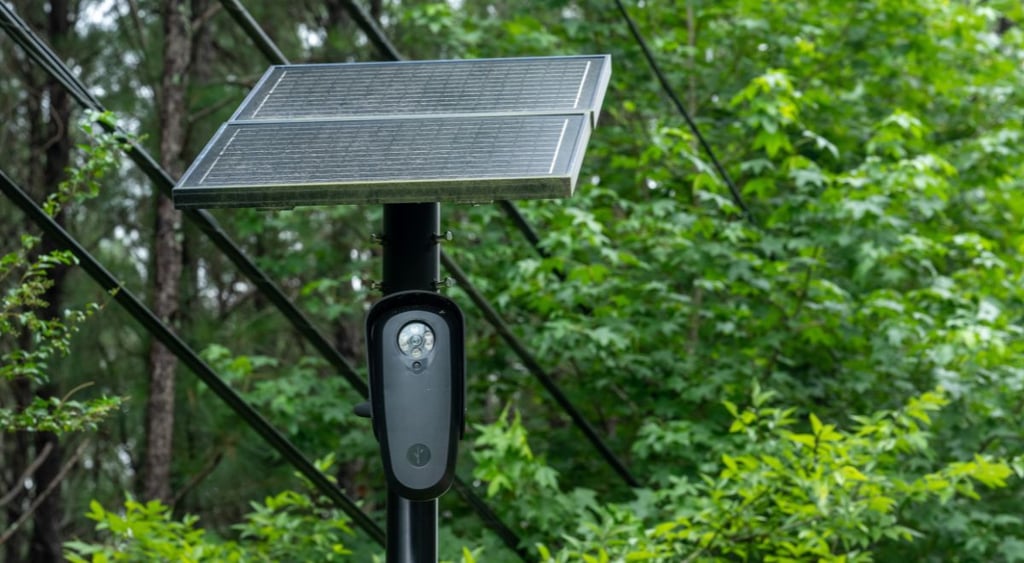




What it revealed was capabilities that go beyond conventional license-plate searches – and multiple police departments are already testing it.
Flock’s 120,000 cameras are now used by roughly 6,000 US law enforcement agencies and around 1,000 private companies.
From cars to people
While these cameras capture things like license plates, timestamps and vehicle characteristics, OS investigate turns that enormous pool of movement data into something police can effectively talk to.
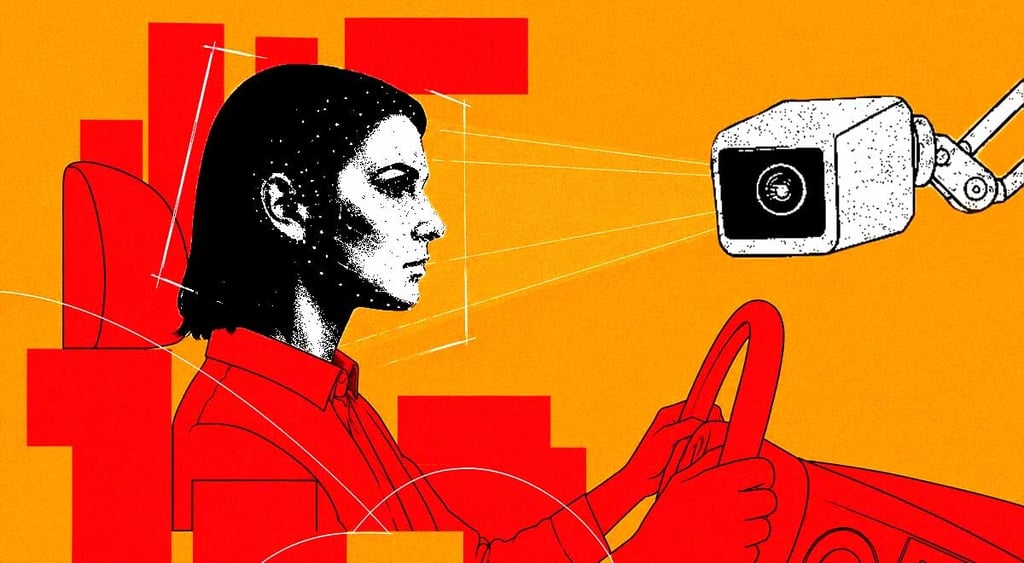
According to Wired’s reconstruction, officers can use ordinary language prompts to search for vehicles based on where they travel, how frequently they appear somewhere or which other cars they repeatedly appear alongside.
The system has a chatbot element to it which includes almost 70 prewritten prompts designed to help officers conduct those searches.
Find me witnesses based on vehicles most seen in [neighborhood] during [last 14 days] during [daily timeframe]. (will not include whitelisted vehicles).One of 69 prompts suggested by Flock's OS Investigate.
Patterns become suspects
Another prompt can find people arrested more than twice in two years, map where they live, pull police call records and create a profile of the three people it identifies most often.
The system can then combine results with other sources, including police case files, 911 dispatch information and commercial identity databases, potentially connecting vehicle movements to names, addresses and personal relationships.
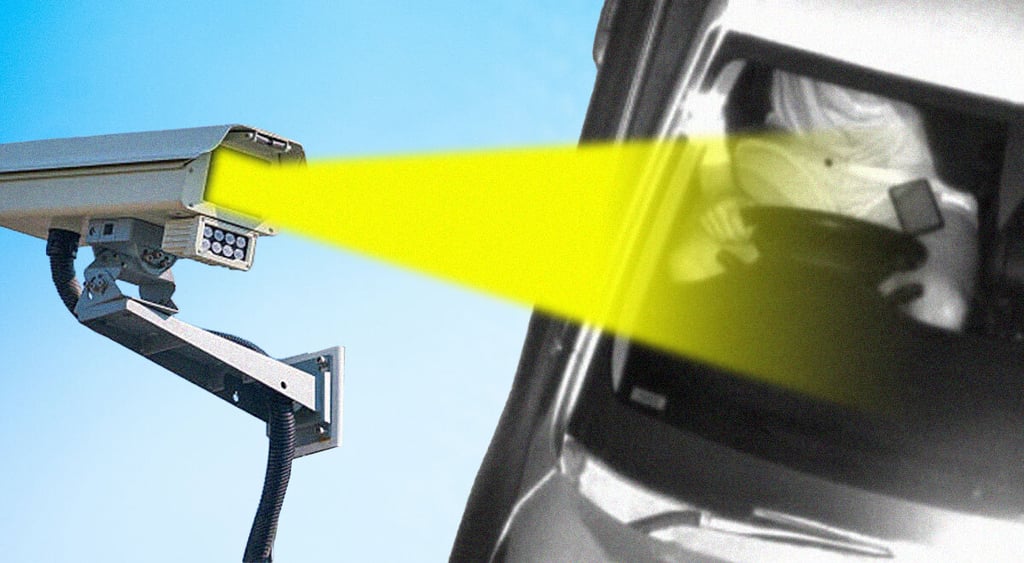
The AI builds a behavioral profile so that instead of asking “Where has this suspect’s car been?” Police could ask, “Who behaves like the person we’re looking for?”
I don't know how anyone can argue against the idea that Flock literally tracks people.Former cop Noel Pichardo, who reviewed the software for Wired.
“Fishing expedition”
Chad Marlow, an attorney who runs the ACLU’s “Get The Flock Out” campaign, warns that the danger is that officers could use the AI to go “fishing” for crimes, with unrestricted prompts allowing them to steer the system toward whatever criminal patterns they want to find.
And those concerns are valid given that more than 50 law enforcement officers are reported to have misused the technology or blatantly abused it to stalk ex partners.



Stay updated with our latest stories and follow us on social media
Be the first to discover new stories, ideas, and updates from our team.
As public backlash grows, activists are taking direct action, either by covering up the cameras or vandalizing them.
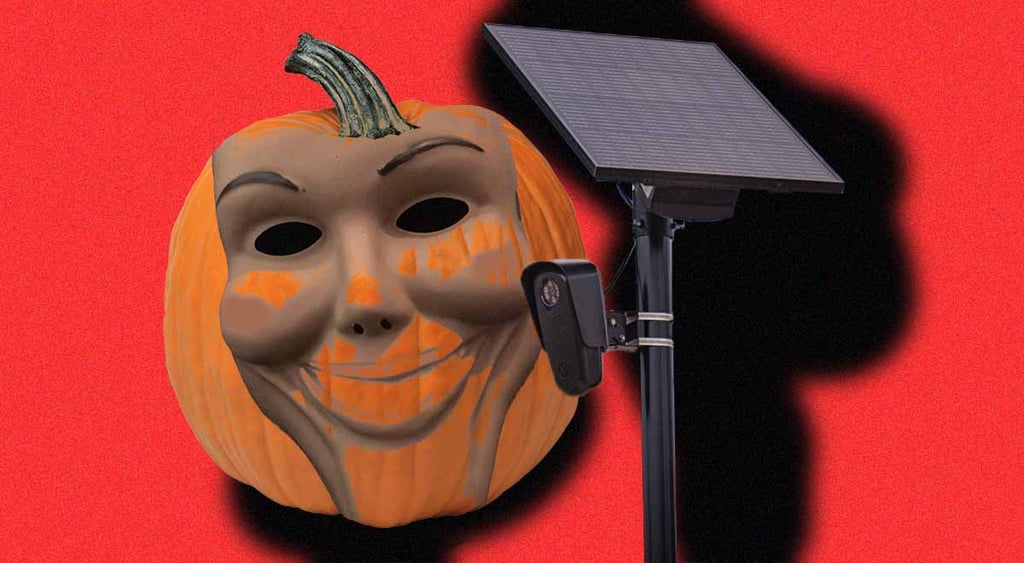
There have even been calls via social media to orchestrate a mass takedown of Flock cameras on Halloween.
A Flock spokesperson told Wired that OS Investigate is a separate product from its license-plate reader system, still in development, with capabilities subject to change before any broader release.