Drone sightings halt flights in Copenhagen and Oslo
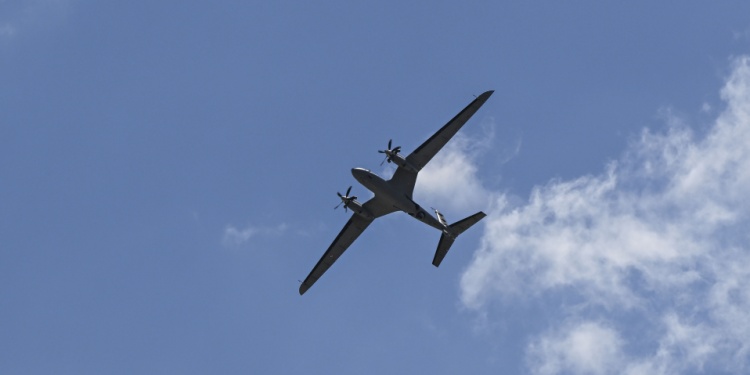
Flights in and out of Copenhagen and Oslo were halted on the 22nd September after drones strayed into restricted airspace, grinding two of Scandinavia’s busiest airports to a standstill.

Image by Cybernews

 Follow us
Flights in and out of Copenhagen and Oslo were halted on the 22nd September after drones strayed into restricted airspace, grinding two of Scandinavia’s busiest airports to a standstill.
Copenhagen’s Kastrup airport shut down first. For nearly four hours, planes were grounded, leaving around 20,000 people stuck in terminals or circling in the skies.
Later that evening, Oslo’s Gardermoen airport was hit with a similar closure. Flights were pushed to nearby airports until controllers decided it was safe to reopen.
Officials described the drones as flown by a “capable operator,” but stopped short of calling it a deliberate attack.
Security response




In Denmark, police confirmed the armed forces were called in. But with full terminals, parked aircraft, and fuel tanks nearby, commanders chose not to shoot the drones down.
In Oslo, police and Avinor moved quickly to lock the skies until they could get a clear picture.
Both countries are running investigations. Neither is saying much about what tools they used or what new measures are now in place.
Authorities stress the two incidents might look connected, but so far, there’s no proof.
Travelers, meanwhile, were told to keep checking their flights and brace for queues.
Regional backdrop – Poland and Estonia
The airport closures land against a wider backdrop of Russian airspace violations.
Earlier this month, Poland downed drones that crossed the border during Russian strikes on Ukraine, a breach serious enough to bring NATO allies into formal talks.
Estonia has also reported three Russian jets crossing its airspace in what officials in Tallinn called “unprecedentedly brazen.”
In that context, a drone over a runway isn’t brushed off as a prank. With Russia’s war pressing up against NATO borders, the threshold for risk has changed.






Political reactions and what lies ahead
Ukraine’s president, Volodymyr Zelensky, was quick to suggest Moscow’s hand in the Copenhagen disruption.
Danish police said they couldn’t confirm or deny foreign involvement. EU and NATO leaders have condemned the clear violations in Poland and Estonia, but stopped short of attributing blame for what happened in Scandinavia.
The focus now is on prevention – better detection, faster playbooks, and shutting things down before anything escalates.
The disruptions in Copenhagen and Oslo ended without harm, but they made clear just how easily Europe’s air corridors can be thrown off course by a few drones flown in the wrong place.
Unlock more exclusive Cybernews content on YouTube.