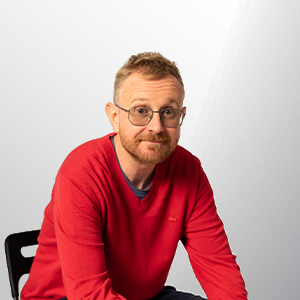
“They plan to eliminate you:” Lue Elizondo reports Congress threats for UAP whistleblowing
UAP whistleblower Lue Elizondo claimed a congressional staffer warned him three years ago of plans to “eliminate” him and David Grusch.
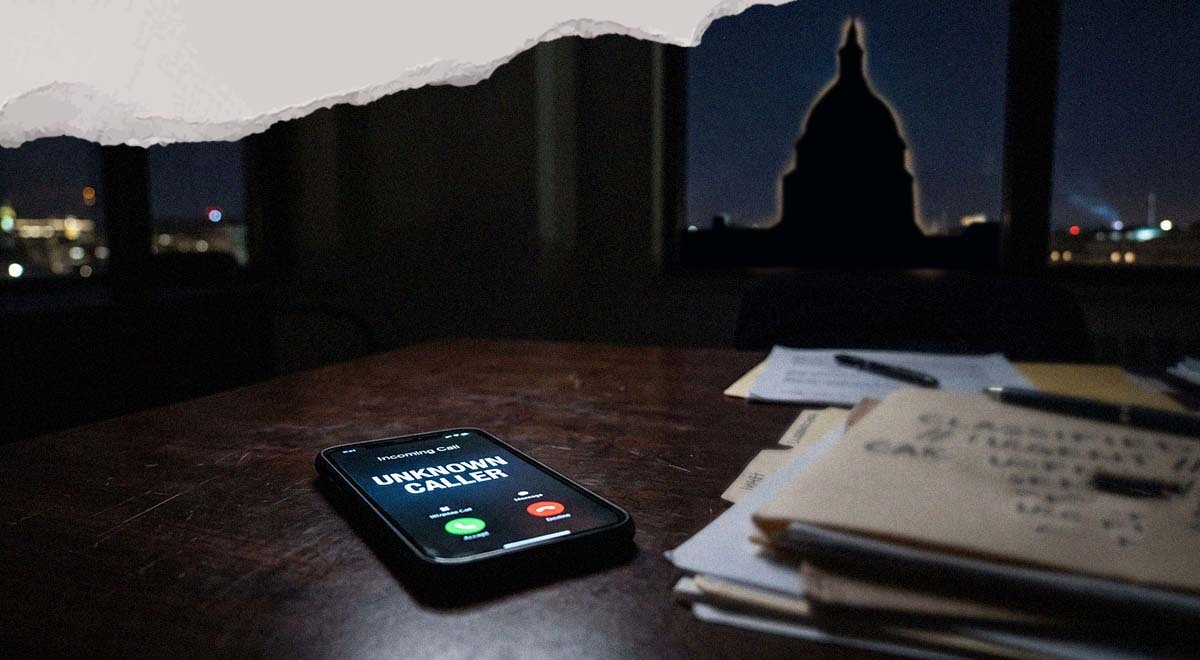
Unknown caller. Image by Cybernews.

 Follow us
- Whistleblowers Lue Elizondo and David Grusch allegedly faced "plans to eliminate" them for speaking out, forcing Elizondo to heavily arm his home.
- The government suppresses UAP info to protect geopolitical advantages, prevent public panic, and avoid destabilizing markets or religions.
- Disclosure could spark massive lawsuits from defense contractors, and even the President is allegedly kept out of the loop.
Key Takeaways by nexos.ai, reviewed by Cybernews staff.
In an interview with Sean Hannity, a UAP whistleblower claimed that approximately 3 years ago, he received a phone call from a Congress worker who leaked information about plans to “eliminate” Elizondo, along with fellow testifier David Grusch.
Lue Elizondo is no stranger to high-stakes environments, as shown by his counterintelligence work at Guantanamo Bay in 2014, which placed him on the Al-Qaeda hit-list.
Now, Elizondo has revealed that he received a disturbing phone call from an inebriated Congress worker who had left a confidential UAP briefing, but couldn’t resist calling Lue’s phone.
The employee allegedly warned that Elizondo and fellow whistleblower David Grusch faced a sinister situation and that they had a “plan to eliminate you.”


Elizondo hung up. But then his phone rang again, this time from another staffer, who cautioned, “You really need to watch yourself,” citing bureaucratic disapproval at whistleblower testimonies.
These back-to-back warnings led Elizondo to heavily arm his residence, bringing about a tough survival posture.
"That's the reason why I have five German shepherds, and I'm heavily armed. I mean, it is what it is,"Elizondo said, revealing the harsh reality of being a UAP whistleblower.
Speaking on the Hang Out with Sean Hannity podcast, he spoke of the lack of protection UAP whistleblowers have from the government, adding that it was "not a great day for Mrs. Elizondo."
The psychology of secrecy
Elizondo argues that governments keep secrets either to protect them from foreign adversaries, to prevent public panic, or to preserve social order.
He claimed concerns about public disclosure date back decades, citing a RAND study he says warned that revealing the truth could destabilize markets and religions.
Elizondo claims that a White House committee spent a week debating how to proceed if UAP disclosure ever surfaced in the public spotlight. The scientists cast a unanimous vote, taking up a position of solidarity.
"Every single scientist agreed we can't tell the truth yet," Elizondo claimed, describing what he says was the outcome of the meeting, citing fear, in that admitting what they know could expose the extent of US knowledge to geopolitical rivals.
The intense resistance that whistleblowers have feared over the decades is down to this institutional tradition of secrecy, explained Elizondo.
Strong password generator

Corporate interests and Congress
Elizondo argued disclosure could unleash a wave of lawsuits from companies claiming they were unfairly denied access to advanced technology.
He suggested the fallout would spark years of litigation, saying it would create a "legal cottage industry.”
For example, aerospace firms have become "too big to fail" because of their central role in US national security. Elizondo claimed any confirmation of preferential treatment for defense contractors could trigger a flood of lawsuits.
The former Pentagon official also alleged that some elected leaders have themselves been kept outside the loop on the issue.
"I was told... the president was on a need-to-know basis. Think about that for a second," Elizondo said, describing what he was allegedly told in a secure setting.
He said greater congressional oversight and whistleblower protections are essential if the public is ever to learn the full story.