Estonian police could soon gain powers to demand your photos and videos
Estonia is considering a new law that would allow police to gain access to people’s photo and video files. Under the new proposal, the usage of drones for surveillance would also become legal.

Phone gallery illustration via Shutterstock

 Follow us
- Estonian police could soon be allowed to obtain photos and videos from individuals.
- The proposal would also legalize drone surveillance in Estonia, which would be used in special cases.
- Routine surveillance would not be authorized under the proposal.
Estonia is considering a new law that would allow police to gain access to people’s photo and video files. Under the new proposal, the usage of drones for surveillance would also become legal.
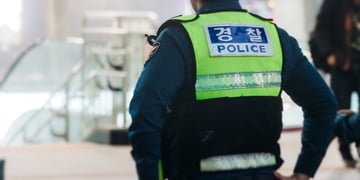
The amendments to Section 30 of the Law Enforcement Act would give police and other law enforcement authorities the right to require "information in another form” in addition to official documents, according to ERR.
Such information would include photographs (image files) and videos (video files) from individuals who may possess information about public-order violations or potential threats.
This would help police investigate and resolve public order offenses.



Asked about the distinction between the police “requesting” and “demanding” files, Estonia’s Minister of Justice, Liisa-Ly Pakosta, told ERR:
“They can demand it, but as with all legal proceedings, people have their own rights. Figuratively speaking — and I am not encouraging this, but I want to stress it — in a state governed by the rule of law, people have the right to hire a lawyer and proceed according to their attorney's advice.”
Strong password generator

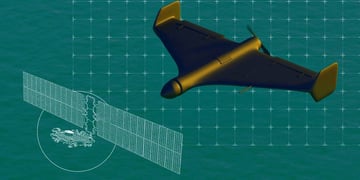
In addition to the information-request provisions, the bill would also lay out rules for the use of drones for surveillance. To ensure privacy, drones would be clearly marked and would record or transmit images only, never audio, according to the draft legislation.
The public would be informed about the use of drones and any data processing. Obtained footage could typically be retained for a maximum of 30 days.
This is important and can address a range of privacy concerns surrounding surveillance technology. In Cleveland, for example, fire department drones were accidentally added to Flock Security's network, with audit logs later showing dozens of immigration-related searches.
Have thoughts about this topic? Others do, too. Join them in the discussion.
The usage of drones would be strictly governed and limited to specific cases, such as monitoring public gatherings or traffic, responding to dangerous situations, or replacing an officer's line of sight when direct observation is not possible. The bill would not permit routine surveillance.
In addition, drones could be used to support rescue operations, protect critical sites, and monitor the state border.
The amendments are scheduled to come into force on January 1st, 2027.






Unlock more exclusive Cybernews content on YouTube.