Flock tries to nuke interactive map built from its own data leak
Flock’s sprawling surveillance network has been exposed.
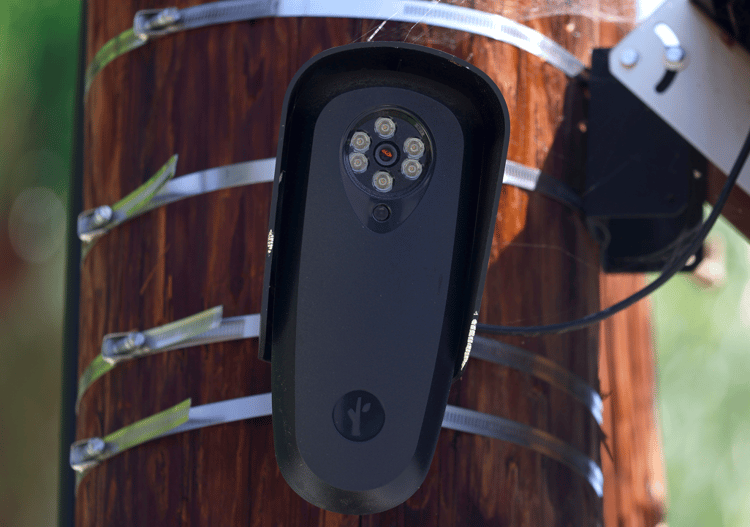
A Flock camera mounted to a pole. Justin Sullivan via Getty Images.

 Follow us
- Flock is trying to remove Joshua Michael’s map after Doppel filed a trademark complaint on its behalf.
- Michael says he built the map using exposed Flock internal data that required no login.
- The map shows over 300,000 Flock devices, including cameras, acoustic detectors, and other hardware.
- Flock has tightened search rules and cut license-plate data retention from 30 days to 7 days.
Key Takeaways by nexos.ai, reviewed by Cybernews staff.
Automated license plate recognition giant Flock is attempting to erase the most comprehensive map of its nationwide surveillance network, after months of controversy regarding surveillance, and public safety.
Brand-protection vendor Doppel filed a trademark infringement complaint on September 24th on Flock's behalf, demanding the immediate removal of Joshua Michael’s Flock Surveillance Map, the latest portal seeking transparency on Flock’s camera locations.
Doppel alleged in the takedown notice that the site's unauthorized use of the "FLOCK SAFETY" trademark "may cause customer confusion" or harm the company, reported The Intercept.
However, Michael has placed a disclaimer on the portal stating that the map “is not affiliated with or endorsed by Flock.”






While crowdsourced surveillance maps are usually built from volunteer street sightings, cybersecurity researcher Michael obtained the coordinates directly from Flock internal systems.
Representing a digital back-door, the database link was alarmingly available without a login or password.
Flock subsequently patched the security flaw, and publicly insisted that it had never experienced a data breach.
Still, Michael captured the evidence before access was closed, opening up the debate between public claims and internal records.
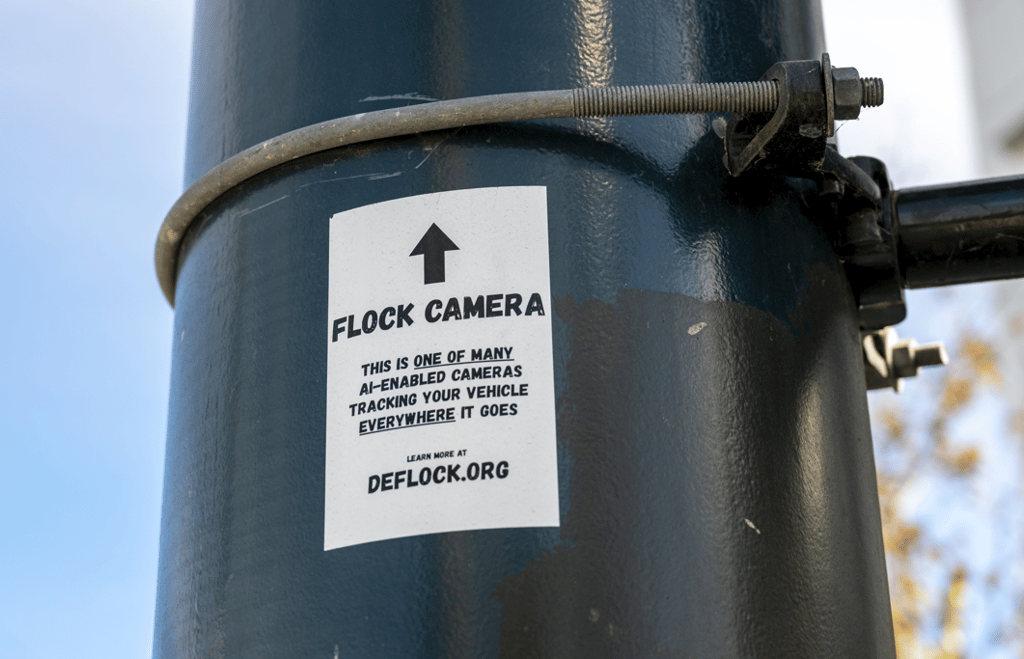
Far-reaching surveillance maps
Michael’s portal maps over 300,000 total Flock devices across the United States, including more than 170,000 cameras and over 130,000 secondary hardware units.
The map goes beyond Flock's familiar automated license plate reader cameras, also showing devices including around 27,000 acoustic detection systems and networking equipment linked to third-party cameras.
Michael previously disclosed to The Intercept:
These cameras form a nationwide surveillance network that tracks where everyone drives.
The legal action was taken following a citation given by the Senate Judiciary Subcommittee on Crime and Counterterrorism about the surveillance network of Flock.
Why Flock’s network has become controversial
Flock cameras are not only intended to photograph license plates – the system records the characteristics of vehicles, feeding them into a searchable database, allowing law enforcement to trace where people have been.
What has evolved far beyond a discussion of vehicles has now become about the abuse of surveillance, as some police officers have searched for ex lovers, while others make a mockery of the search parameters, using abbreviations and insults in the process.
Curious what others think about this story? Contribute your thoughts to the debate below.
As a result of the scrutiny, Flock has implemented stricter controls which include the need for a criminal case number in order to carry out a search. The retention period for license-plate data has been reduced from 30 days to 7.
With various online maps available of Flock camera locations, as well as the ability to check if the police have searched your license plate.
As the debate continues regarding the transparency of surveillance, it remains to be seen what will happen to Michael's map, and how privacy experts would react should it be taken down.