Deadly protests erupt over social media ban in Nepal, 19 killed by police
Nineteen young people are dead after police in Nepal open fire on tens of thousands of Gen Z demonstrators protesting a social media ban imposed by the government on Friday. This is as officials in Turkey on Monday restore social media access less than 24 hours after blocking multiple platforms to tamp down on political unrest.
Sunil Pradhan/Anadolu via Getty Images

 Follow us
Nineteen young people are dead after police in Nepal opened fire on tens of thousands of Gen Z demonstrators protesting a social media ban imposed by the government on Friday. This came as officials in Turkey restored social media access after also blocking multiple platforms for almost 24 hours to tamp down on political unrest.
- Nineteen protesters were killed in Nepal after police opened fire on mass demonstrations against a social media ban and government corruption.
- Twenty-six popular platforms were blocked, including Facebook, YouTube, and X, in a nation of nearly 30 million people, sparking nationwide unrest.
- The UN condemned the crackdown as disproportionate and urged dialogue with youth.
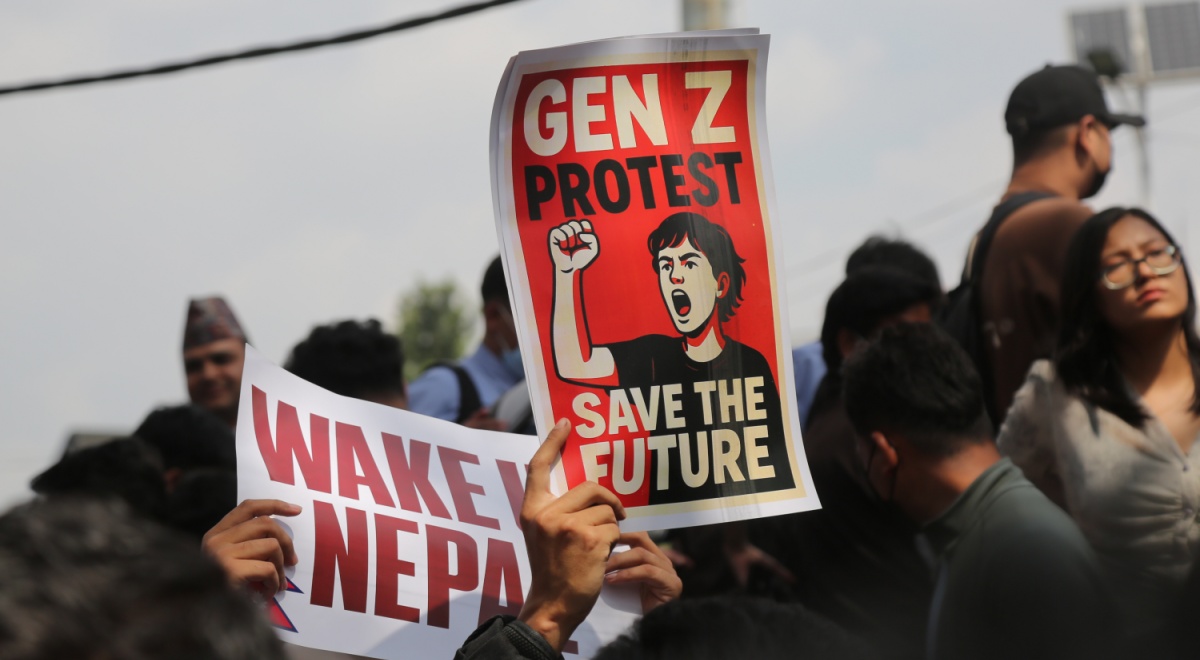
Over a million Nepali youth took to the streets of Kathmandu, the nation’s capital, and several other large cities on Monday to rally against government corruption and the ban on more than two dozen social media sites, including Facebook, YouTube, and X, that went into effect Friday evening.
The violence began when Nepali student protestors clashed with police, according to local news outlet The Kathmandu Post.
“Police used water cannons, tear gas, and live rounds to disperse crowds in Baneshwar [district] outside the Federal Parliament building,” according to the nation’s leading English-language daily.




Protesters were said to have pushed through barbed wire and forced riot police to retreat inside the Parliament complex, the Associated Press said.
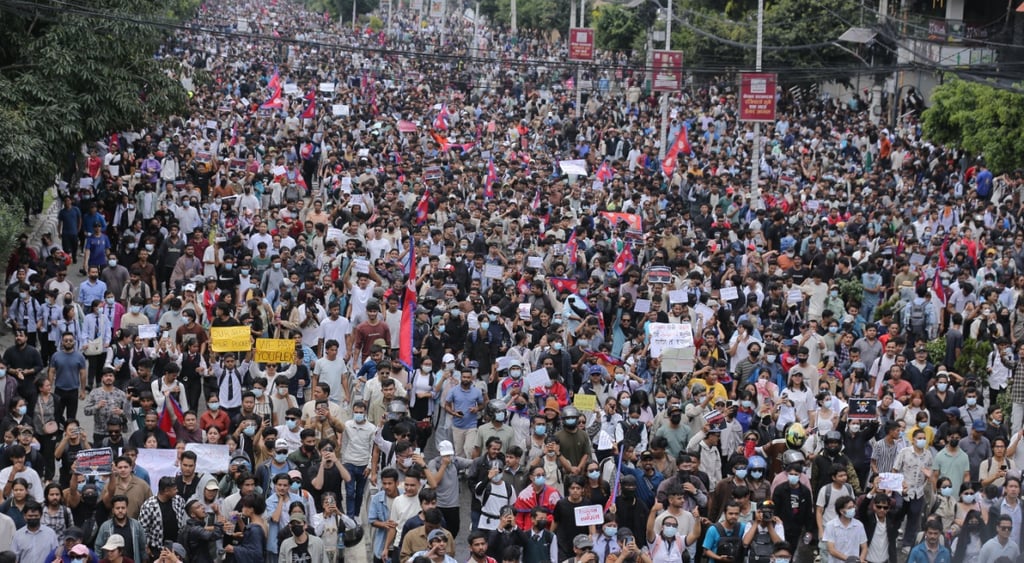
In total, 19 people have been reported killed after police opened fire during the escalating violence, while another 347 people are being treated for injuries at multiple area hospitals, at least 10 of them critical.
The Post said similar protests – where clashes with authorities were also reported – spread across other major cities, including Pokhara, Biratnagar, Janakpur, Hetauda, and Nepalgunj.
Curious what others think about this story? Contribute your thoughts to the debate below.
Authorities imposed curfews in multiple cities, starting at 3:30 p.m. local time, and have restricted gatherings, rallies, and sit-ins to quell the spreading unrest among the youth groups who are said to have instigated the protests.
The United Nations Human Rights office released a statement on Monday, calling on Nepali authorities to "respect and ensure the rights of peaceful assembly and freedom of expression."
"We are shocked by the killings and injury of protesters today and urge a prompt and transparent investigation," a UN spokesperson said on X.
#Nepal: We are shocked by the killings and injury of protesters today and urge a prompt and transparent investigation.
undefined UN Human Rights (@UNHumanRights) September 8, 2025
We have received several deeply worrying allegations of unnecessary or disproportionate use of force by security forces during protests organized by youth… pic.twitter.com/KstvW4La92
Calling the allegations "deeply worrying," "unnecessary," and "disproportionate," the UN Human Rights spokesperson also commented that "Nepal enjoys a lively democracy and active civic space, and dialogue is the best means to address young people’s concerns. We urge reconsideration of measures to regulate social media to ensure they comply with Nepal’s human rights obligations."
Social media ban impacts 30 million citizens
On Thursday, Nepal’s Telecommunications Authority (NTA) released a list of 26 social media platforms that would no longer be accessible to the South Asian nation's 29.6 million citizens.
Officials there said the social media ban followed an August 25th Cabinet directive, which required all social media platforms to have registered with the government by Wednesday, September 3rd.
The most widely used social media sites on the block list included Facebook, Facebook Messenger, Instagram, YouTube, WhatsApp, X, LinkedIn, Snapchat, Reddit, Discord, Pinterest, Signal, Threads, WeChat, Quora, Tumblr, Clubhouse, Mastodon, Rumble, VK, Line, IMO, Zalo, Soul, and Hamro Patro.
Several platforms, such as TikTok and Viper, which have previously registered with the government, are still accessible.
The initial announcement had many freedom rights and censorship opposition groups up in arms, as well as small businesses that rely on internet traffic for marketing and product sales.
Social media use, primarily from Facebook and YouTube, constitutes roughly 80% of the country’s internet traffic, The Post said.




Still, some users on X, dismissed the media’s distorted coverage, calling the social media ban just the tip of the iceberg for disaffected Nepali Gen Z.
“It’s shameful to see international media framing Nepal’s Gen Z protest as merely against the social media ban. That’s not what it is about. The protest was – and still is – against a corrupt system, unchecked government privileges, and years of exploitation. Reducing it to just the ban is dishonest and insulting to the movement,” posted X user @thePiggsBosson.
Social media ban in Turkey
Meanwhile, on Sunday, Turkish officials also blocked access to social media and messaging apps, the internet freedom global mapping site Netblocks reported.
According to the internet democracy advocates, metrics have shown online platforms, including X, YouTube, Instagram, Facebook, TikTok, and WhatsApp, were restricted on multiple networks in Turkey starting Sunday around midnight.
The blockage was triggered after protesters began to gather outside the headquarters of the Republican People’s Party (CHP), the main opposition party, in Istanbul. According to a report from Al Jazeera, the demonstrators were protesting “against a court order removing a senior party official.”
⚠️ Confirmed: Live metrics show online platforms including X, YouTube, Instagram, Facebook, TikTok, WhatsApp have been restricted in #Turkey on multiple networks; the incident comes as main opposition party CHP calls for rallies after police blockade its Istanbul headquarters pic.twitter.com/ECVjvWlvzL
undefined NetBlocks (@netblocks) September 7, 2025
Clashes with police, who barricaded the CHP headquarters, led to the protesters being sprayed with tear gas. No fatal injuries were reported as police were eventually able to disperse crowds.
Access to social media was restored in Turkey about 10:00 p.m. on Monday, less than 24 hours after the ban was imposed.