Russia wants to build a nuclear power plant on the moon by 2036
Roscosmos, the Russian space agency, has announced an ambitious plan to build a nuclear power plant on the moon within the next decade.
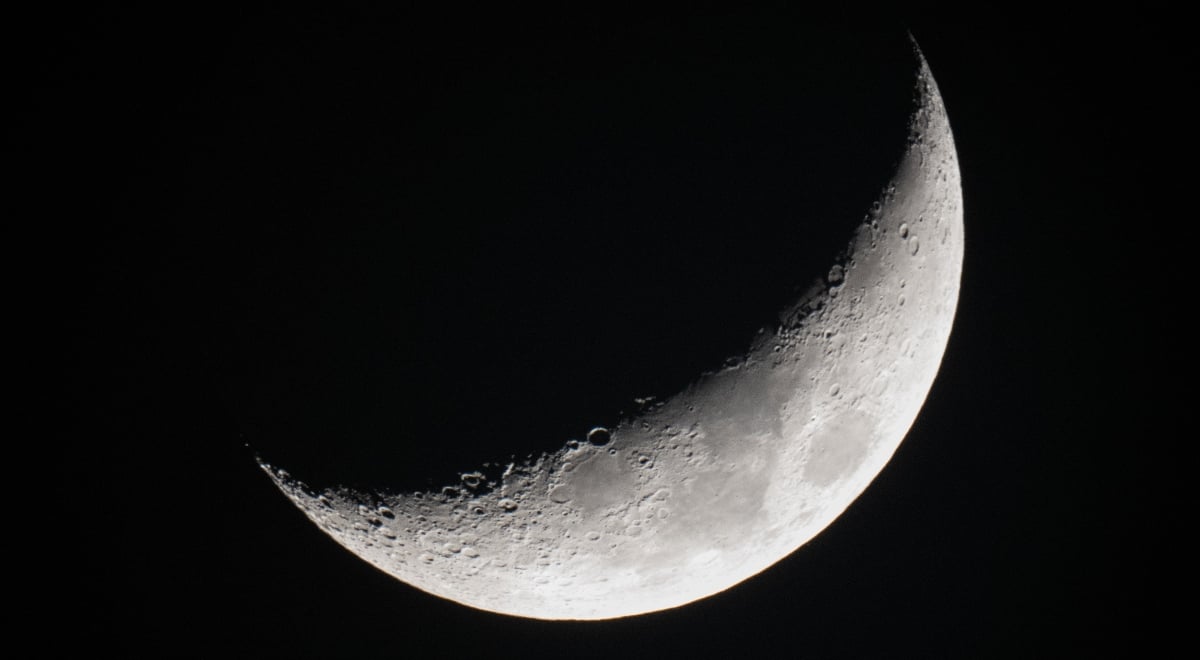
Image by Lorenzo Di Cola/NurPhoto via Getty Images

 Follow us
Roscosmos, the Russian space agency, has announced an ambitious plan to build a nuclear power plant on the moon within the next decade.
The agency had signed a contract with the Lavochkin Association aerospace company to build the power plant, it said in a statement.
Roscosmos didn’t explicitly say that the plant would be nuclear, but other participants will include Russian state-owned energy corporation Rosatom and the Moscow-based Kurchatov Institute, which specializes in nuclear research.
To have a nuclear power plant on the moon by 2036, the parties agreed to develop spacecraft, carry out ground-based and flight tests, and deploy the necessary infrastructure on the Moon over the next decade.
The project aims to supply energy to Russia’s lunar space program, including rovers and an observatory, as well as a joint research station with China agreed by the two countries in 2021.






“The project is an important step toward the creation of a permanently operating scientific lunar station and the transition from one-off missions to a long-term lunar exploration program,” Roscosmos said.
New space race
The Soviet Union was the first country to send a human – cosmonaut Yuri Gagarin – into space in 1961, securing its status as one of the leading powers in state exploration. However, Russia has fallen behind the US and increasingly China in recent decades.
SpaceX, a private space company owned by billionaire Elon Musk, has revolutionized the launch of space vehicles, once a Russian specialty, while Russia’s full-scale invasion of Ukraine in 2022 has complicated its relationship with the US and European partners.
Moscow’s space ambitions suffered a further blow when its unmanned Luna-25 mission smashed into the surface of the moon while attempting to land in August 2023.






Cooperation with China has offered Russia a chance to stay relevant in the renewed global space race, which is now increasingly focused on the moon as a launch pad for missions further afield, including to Mars.
NASA announced plans to build a nuclear power plant on the Earth’s only natural satellite several years ago.
Curious what others think about this story? Contribute your thoughts to the debate below.
In cooperation with the European Space Agency (ESA), the Japan Aerospace Exploration Agency (JAXA), and other partners, NASA aims to establish a permanent lunar base camp in the late 2020s to early 2030s.
Meanwhile, South Korea’s stated ambition is to have a permanent base on the moon by the mid-2040s.
Unlock more exclusive Cybernews content on YouTube.