Viral SIM card gold extraction in China sparks dangerous DIY trend
A Chinese precious-metal refiner known as “Qiao” went viral after posting videos showing gold extracted from telecom scrap, racking up millions of views and earning the nickname “Alchemist.”
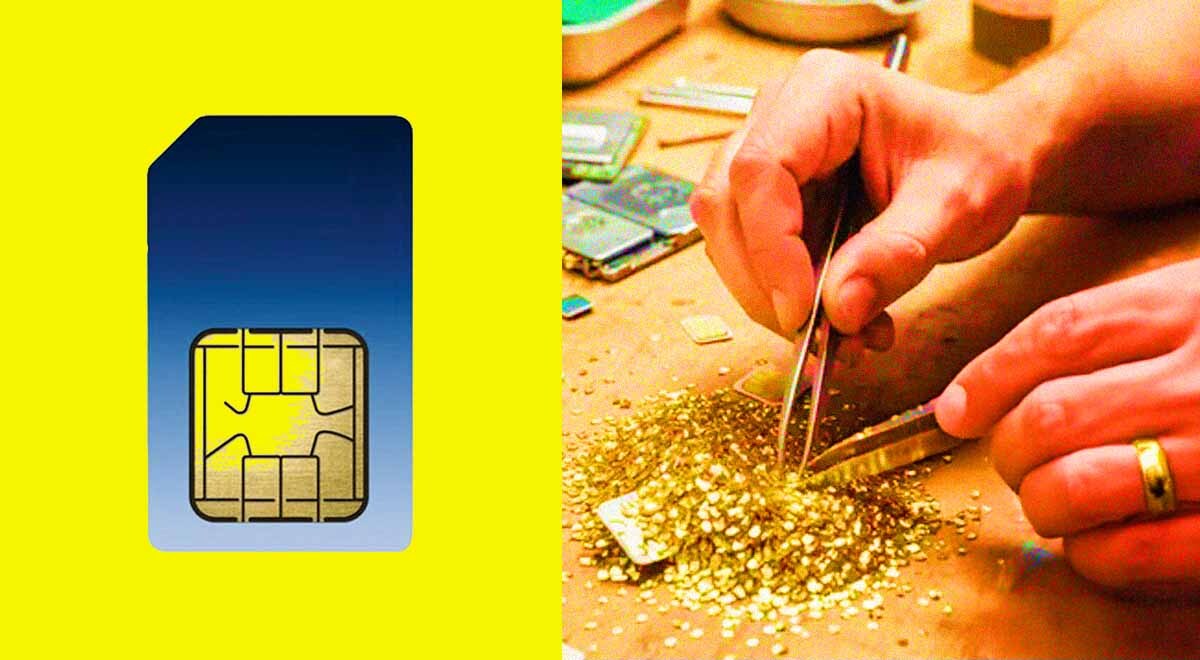
Image by Cybernews

 Follow us
A Chinese precious-metal refiner known as “Qiao” went viral after posting videos showing gold extracted from telecom scrap, racking up millions of views and earning the nickname “Alchemist.”
Located in Southern China in the Guangdong region, Qiao captured dramatic visuals of chemical barrels and heating processes, spiking the viewer's curiosity in the process.
Strikingly, viewers misinterpreted the action, believing the gold came from SIM cards rather than the actual tonnes of telecom chip waste and industrial scrap he was harvesting from.
Realistically speaking, a SIM card contains less than 0.001g of gold, and where a gram of gold typically fetches around $60–$90, one would need over 1,000 SIM cards just to reach 1 gram.
The claim of 191 grams sounded impressive from the outset, but would require precious metal extraction of tons of scrap telecom equipment to reach anything close to valuable.






A man in China went viral after posting a video showing how he extracts gold from old SIM cards. He claimed to have recovered 191 grams of gold so far. His videos led many people to buy scrap SIM cards, though he warned about safety risks.#Techinformer pic.twitter.com/3WZ6p8eegz
undefined Tech Informer (@Tech_Informer_) February 2, 2026
Sitting on a gold mine
The social media hype of Qiao and his exploits triggered a sudden resale boom, with sellers bundling old SIM cards and promoting them as “gold extraction material.”
Another social media user who was quick on the uptake started selling gold extraction tutorial videos for $70, along with the requisite tools for the process.
Qiao subsequently intervened and stated in a separate video that gold extraction often uses aqua regia, a highly corrosive acid mixture capable of emitting toxic gases and causing severe burns.
Social media is awash with videos of hacks, pranks, and challenges that could quite literally misfire when attempted. Just last year, in multiple US states, there were reports of children being influenced by TikTok videos to destroy school laptops, causing dangerous sparks in the process.
And in a tech hack last summer, a video on TikTok racked up 1.7 million views, with a seemingly innocent hack to switch an Apple car display to pink, raising alarms with road safety experts.
What may seem auspicious or fun in the beginning can turn a quest for clicks into a recipe for chaos.






Unlock more exclusive Cybernews content on YouTube