“Zootopia 2” sparks dangerous pet viper trend in China
As Disney box-office smash Zootopia 2 becomes China’s highest-grossing animated film at the box office, there has also been an unprecedented surge in online searches for a particular type of venomous snake.
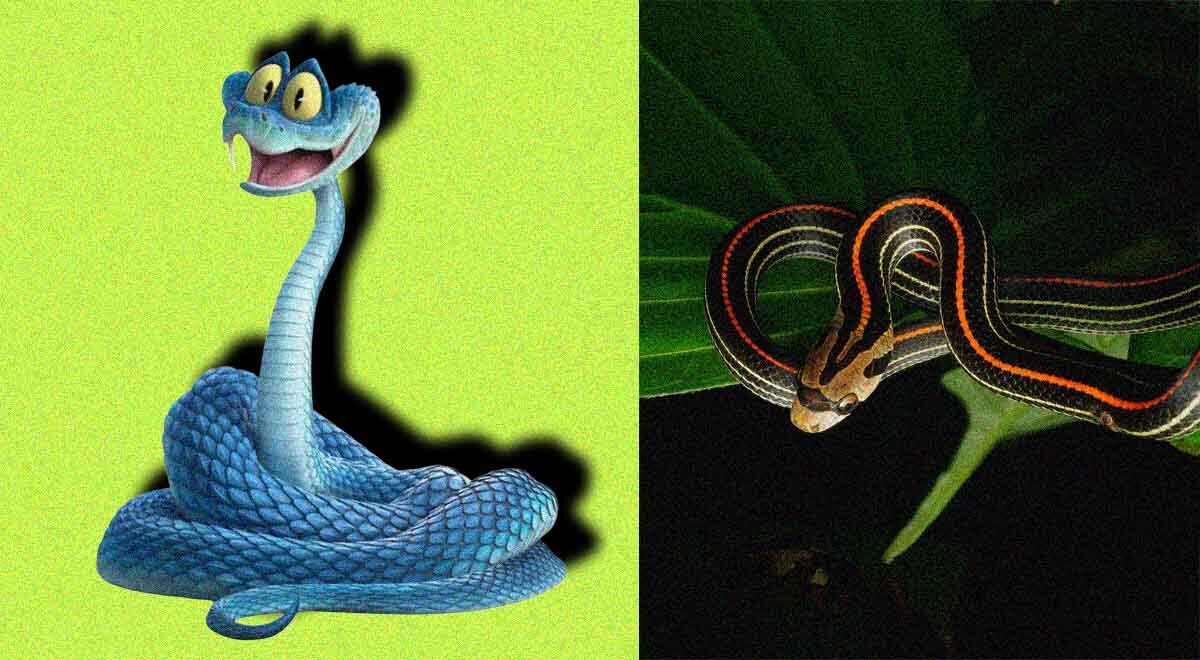
Image by Cybernews

 Follow us
As Disney box-office smash Zootopia 2 becomes China’s highest-grossing animated film at the box office, there has also been an unprecedented surge in online searches for a particular type of venomous snake.
The Indonesian Salmosa venomous snake has rocketed in popularity as it’s the type depicted by Gary De’Snake, as one of the central characters in the movie.
Venom as a vibe
Zootopia 2 has grossed a record-breaking $500 million over its first three weeks of release in China, and a viral obsession with Gary has gained momentum rapidly.






And, as well as the increase in searching for the snake breed, there’s also been an upswing in people getting their hands on the exotic snake breed.
Prices of the Salmosa, or island bamboo viper, have jumped from hundreds to thousands of yuan, meaning the exclusivity and FOMO (fear of missing out) have been raised extravagantly.
One exotic pet holder from Jiangxi informed CNN that many snake owners feel misunderstood.
"The Gary character helps change prejudices against reptile pets," he observed.
"Reptile keepers have long been misunderstood as having strange tastes."
The sting in the tale
There have been some unsettling cases of the snakes biting back. One Beijing resident had to have his thumb amputated after being bitten by his ill-tempered snake during feeding time.
Incidents such as this one have prompted major Chinese platforms, including Douyin (Chinese TikTok), Xiaohongshu, and Xianyu, to immediately halt the sale of blue vipers.
This has become a severe public health concern in China, with Beijing News warning: “While the snake character in the movie is depicted as lovable, real-life venomous snakes are by no means harmless," as well as, "If they escape or cause injury, this could escalate into a serious public safety issue."
These unfortunate incidents involving the island bamboo viper are tied to both China’s penchant for rare exotic animals, such as snakes, pangolins, and owls, as well as the algorithmic craze that online desire propagates.






Unlock more exclusive Cybernews content on YouTube.