Amazon’s Ring moves to encrypt your smart cameras: But what will actually change?
Will Ring suddenly find the key to user footage if the police want it?
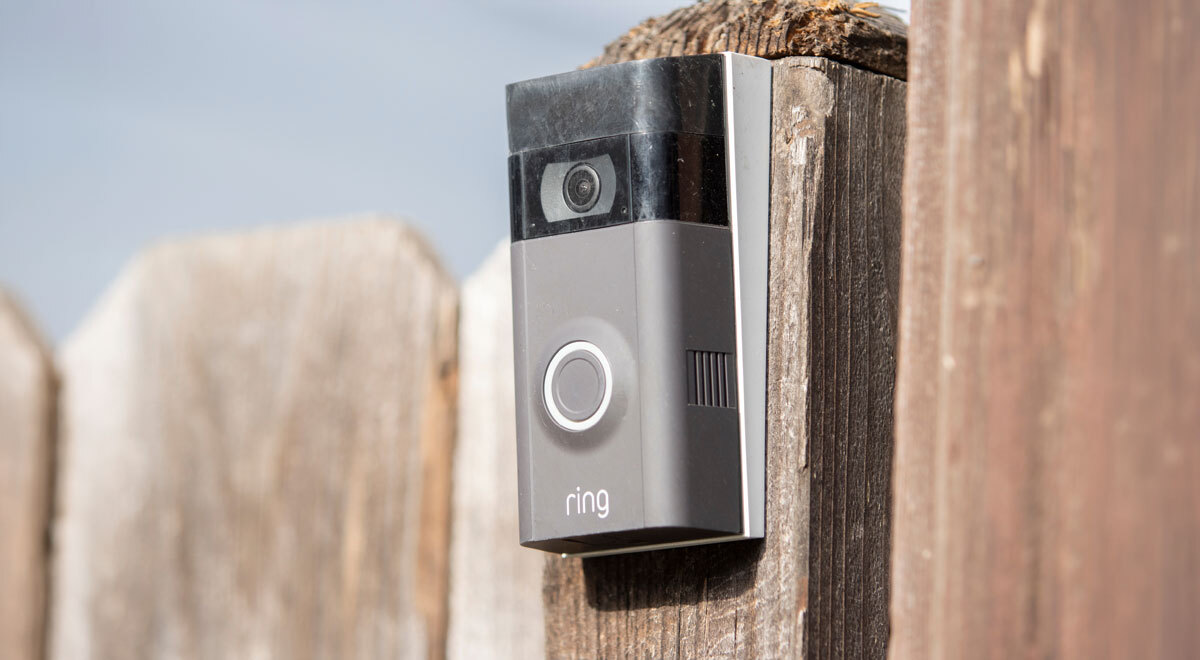
Ring is arming their cameras with more privacy features. By CC Photo Labs / Shutterstock

 Follow us
- Ring’s TAKE system encrypts videos and deletes the key after powering selected smart features.
- Amazon says users keep the main key and can revoke Ring’s access at any time.
- TAKE is not end-to-end encryption; Ring’s cloud AI features need temporary access to video keys.
- Ring says police will receive only non-video information and encrypted video files unless users share footage.
Key Takeaways by nexos.ai, reviewed by Cybernews staff.
With Americans feeling increasingly concerned about the abundance of surveillance cameras capturing their every move, Ring, a home security provider owned by Amazon, is rolling out a new encryption technology. Beware of the caveats, though.
Ring is hoping to give customers more confidence in the privacy of their cameras and footage at a time when Americans are protesting smart, AI-powered surveillance cameras from Flock and other firms.
Most of these companies are sharing whatever the cameras capture with the police, even though a growing body of incidents suggests that certain officials are misusing the technology and stalking people.
Ring’s solution, “inspired by the privacy principles of end-to-end encryption,” is a newly updated technology called TAKE. This is an acronym for “throw away the key.”






“The master key to your videos”
Previously, Ring’s privacy practices were a little unclear: for instance, we didn’t know how easily or how frequently Ring could access videos for analysis. Plus, there have been lawsuits for features like its AI-powered Familiar Faces tech.
Now, though, Ring seems eager to explain how it all works and to give customers more protection – or at least more information.
“With TAKE, Ring delivers the intelligent features you love and rely on, like Smart Alerts, and then throws away and deletes the encryption key. Only you retain the keys to your video,” Amazon said in a press release.
Here’s how it works. When TAKE is used, and a Ring camera records a video, the video is encrypted with rotating, periodically updated encryption keys and stored in a secure digital vault to which only the user has the key.
Think of it like house keys. The company that made your lock doesn't keep a copy of the key. You might give a spare to a close friend or family member you trust completely. And if a handyman needs to fix your sink, you lend them a key only for as long as the job takes, then get it back,Ring said.
“TAKE works the same way: you hold the master key to your videos, and you are the one who decides who gets access to a spare and for what purpose. You are in control of your keys and your videos; it is that simple.”
It’s not, though. Amazon’s line about the key to the “secure enclave” is not exactly the full story because, actually, Ring will be able to access one copy of the key stored in the cloud.
Ring will take the key and use it once to analyze your video footage if you have any Ring AI features enabled on your device. Those are video descriptions and summaries, Familiar Faces technology (essentially facial recognition), advanced object recognition, and so on.
Will cops only get encrypted files?
According to Ring, it deletes the key immediately after the video analysis. Plus, Ring can only receive access to power the smart features active on a user’s account, and the user can revoke permissions at any time.

Check if your data was exposed
Find out if your email and related personal information have appeared in known data breaches.
Additionally, TAKE isn’t actually an end-to-end encryption feature. Yes, customers can turn on end-to-end encryption mode, but then most of Ring’s cloud-based features, including the AI-powered ones, won’t work.
On Reddit, most privacy-minded netizens are skeptical. One pointed out: “If they can generate a new key for customers, they can generate a new key to share with the police.”
Indeed, the press release doesn’t really address the scenario under which the police visit a Ring camera owner with a warrant for the data, although a spokesperson later told The Verge that Ring “will only be able to provide non-video information and encrypted video files” to the cops.




Stay updated with our latest stories and follow us on social media
Be the first to discover new stories, ideas, and updates from our team.
Of course, Ring users can still voluntarily share footage with law enforcement if the police request it through the company’s Neighbors app.
But if Ring users refuse, authorities won’t be able to simply solicit the footage directly from them through the app – since 2024, they now have to submit a formal legal request to the company, and encrypted files are all they’ll get from now on.
TAKE will roll out in phases starting in September and will be the default encryption for all Ring customers when fully rolled out.
