Australia’s social media ban falls short as most teens stay online
It’s too soon to say whether Australia’s social media ban is working or not.
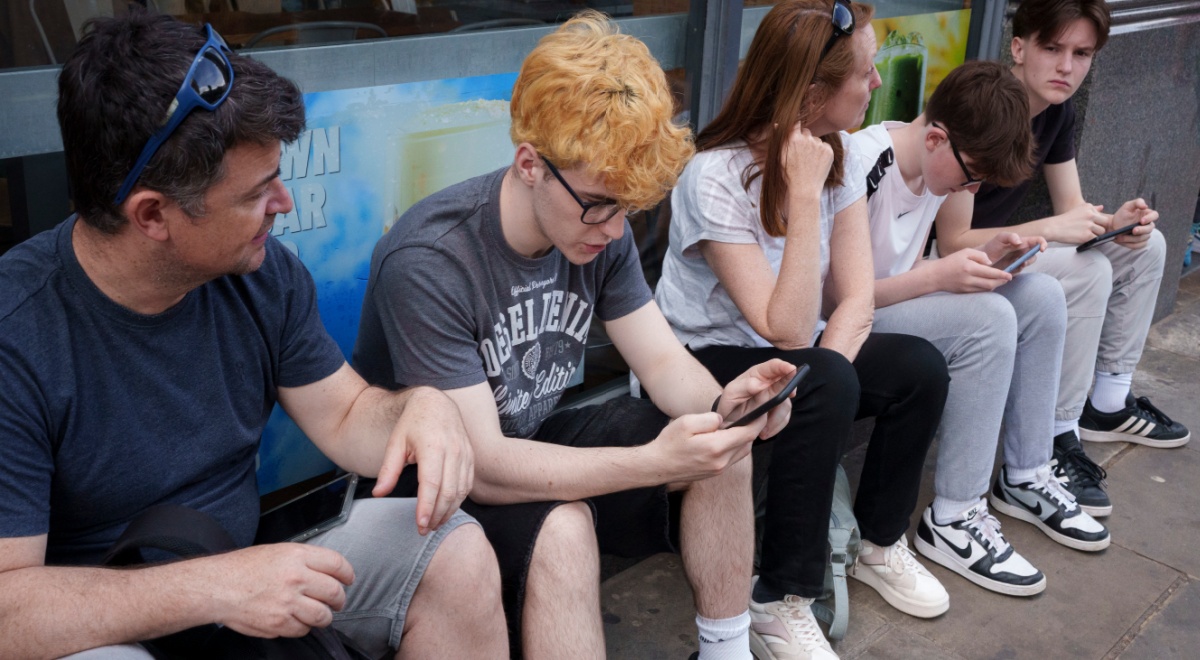
Teens of a tourist family look at their phones in London. Richard Baker/In Pictures/Getty.

 Follow us
- 81.5% of Australian teens continue using social media platforms.
- The percentage of under-16s with social media accounts fell from 52.4% to 42.1%, a statistically significant but limited decline.
- Teens who had accounts before the ban largely retained them or made new ones, likely due to weak age-verification systems.
- Australia's online safety regulator says three months is insufficient to assess whether the policy achieves its goals of reducing mental and physical health harms.
Key Takeaways by nexos.ai, reviewed by Cybernews staff.
The social media ban that Australia implemented last year doesn’t seem very effective. An early study has found that more than 8 out of 10 teenagers continue to use social media.
In December 2025, new legislation banning Australian teens under 16 from using social media platforms was implemented.
The goal was to combat both the mental and physical effects of social media, including social isolation, sleep interference, addictive behavior, and low self-esteem.



Stay updated with our latest stories and follow us on social media
Be the first to discover new stories, ideas, and updates from our team.




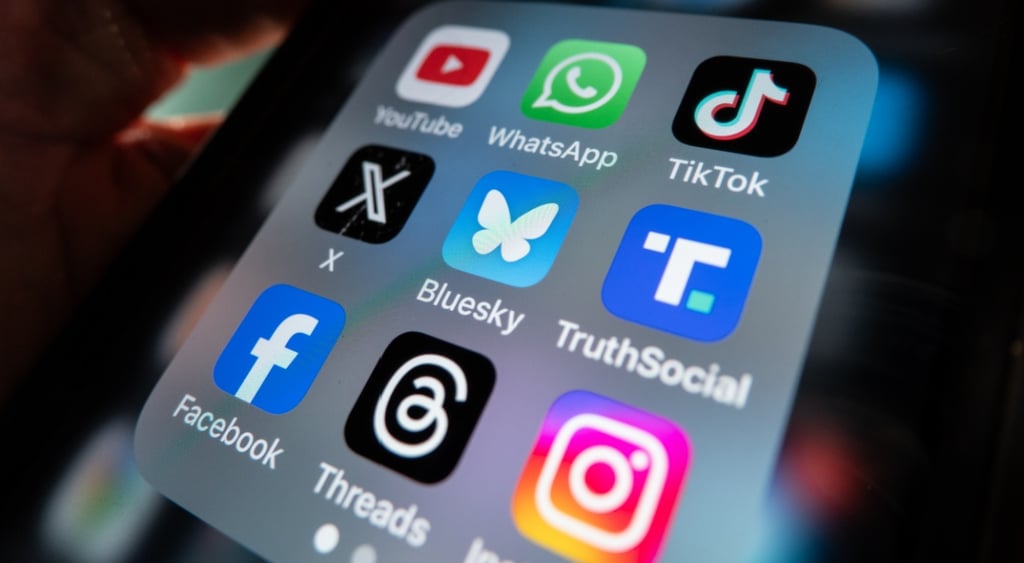
A total of 9 social media platforms are required to comply with minimum age restrictions, including Facebook, Instagram, Kick, Reddit, Snapchat, Threads, TikTok, X, and YouTube.
Non-compliance is subject to substantial fines of up to AUD$49.5 million (USD$35.6 million).
According to the eSafety Commissioner, Australia’s online safety regulator, it seems that the regulation has had limited success in the first 3 months.
A recent study shows that the proportion of under-16s in Australia with a social media account fell from 52.4% to 42.1%, a modest but statistically significant decline.
At the same time, the percentage of teens under 16 using a social media platform prior to the social media ban was 85.9%. In the following 3 months, this declined to 81.5%.
In addition, and this is significant, the report also shows that most under-16s who had a social media account before the ban retained them, or created new ones. This is most likely due to ineffective age-assurance measures implemented by social media platforms.
“As the data was collected just 3 months after the legislation came into effect, it is too early to meaningfully assess whether the policy’s intended outcomes have been achieved,”the eSafety Commissioner stipulates.
However, the report does highlight early signs of change and assesses that Australia’s social media ban policy may be on the right track to produce longer-term results.
In April 2026, a study commissioned by the Molly Rose Foundation, a UK-based charity organization set up to prevent suicide among children, also showed that Australian teens under the age of 16 continued to have access to one or more social media accounts.
Numerous European countries are looking to introduce online age-restriction measures to curb the adverse effects of social media. To date, this has led to a fragmented approach, as Cybernews has previously reported.