Country by country: Europe's social media ban wave
Moves to protect under-16s from the impacts of algorithms and the endless scroll are gaining momentum across Europe
By Getty Images

 Follow us
Moves to protect under-16s from the impacts of algorithms and the endless scroll are gaining momentum across Europe. There are growing concerns about the effects of Silicon Valley's reckless mantra of 'move fast and break things', which could be rewiring young minds.
The relationship between the US and Europe is already strained, with many companies openly discussing digital sovereignty. There are increasing concerns around where data is stored and the so-called kill switches that could take down their business. But the impact big tech is having on children around the world is the much bigger story here.
What starts as a classroom issue does not stay there, because the systems designed to manage children’s online behavior inevitably become part of a wider national data and identity infrastructure.
We are firmly in the age verification era, with many EU countries restricting access to adult sites for children. In practice, social media bans do not represent a sharp policy break, but an extension of age-gating systems that are already widely deployed across Europe.
Next in the dock is social media, which is blamed for the erosion of attention, sustained concentration, and the decline in critical thinking skills.





Interrupting users of any age with constant alerts, endless scrolling, and context switching is bad for everyone. But for children, it means reading comprehension suffers, and memory formation weakens. It also changes study habits and patience, both of which are foundational to education and long-term cognitive development.
How did we get here?
One of the first warning signs of social media's impact can be traced to the moment leaked documents revealed that Facebook boasted to advertisers that it could identify the exact moments when teens felt insecure, worthless, or in need of a confidence boost.
In the UK, excessive screen time was blamed this year for children arriving at the school gate without basic life skills, with 28% of pupils unable to use books correctly and trying to swipe or tap pages like a phone or iPad.
Curious what others think about this story? Contribute your thoughts to the debate below.
Sweden was the tech poster child in 2010 when it became one of the first education systems in the world to roll out iPads, laptops, and screen-based learning at scale—in some cases, replacing textbooks with devices.
Schools treated tablets as the default learning tools, and the approach was widely praised as forward-thinking for moving away from a one-size-fits-all teaching approach. But today, that same system is backing away from tech and reintroducing physical books, handwriting, and teacher-led instruction.






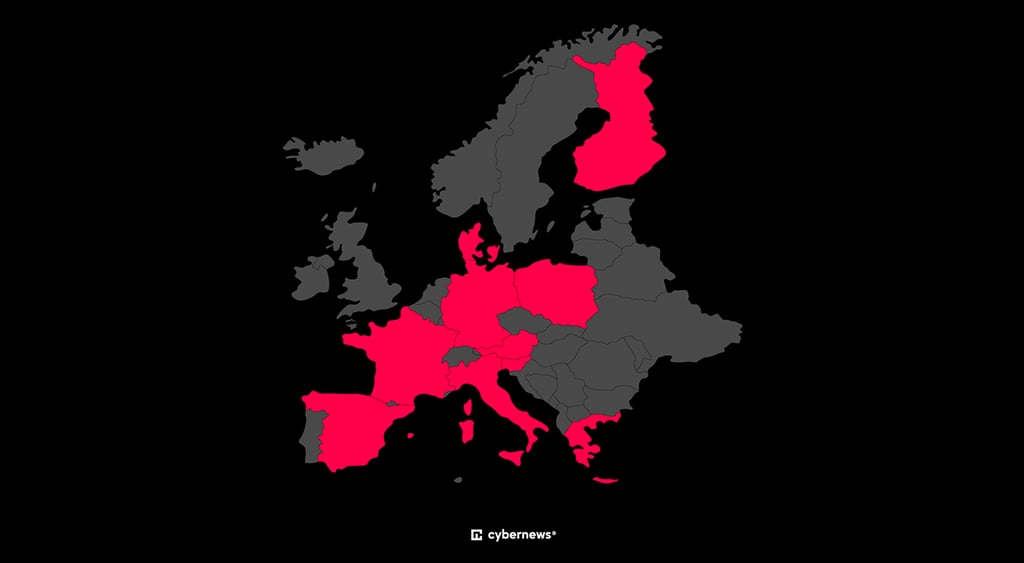
Social media bans: The European map
While some parents happily repeat the line, "What can you do? All their friends use it," authorities have decided that enough is enough.
Australia was the first to implement a social media ban for under 16s, with many teens declaring it's just not a big deal anymore. The success of the move has prompted governments across Europe to unite in banning under-16s from using platforms at any time, in a bid to address the rising problems teachers are seeing in their classrooms.
Poland
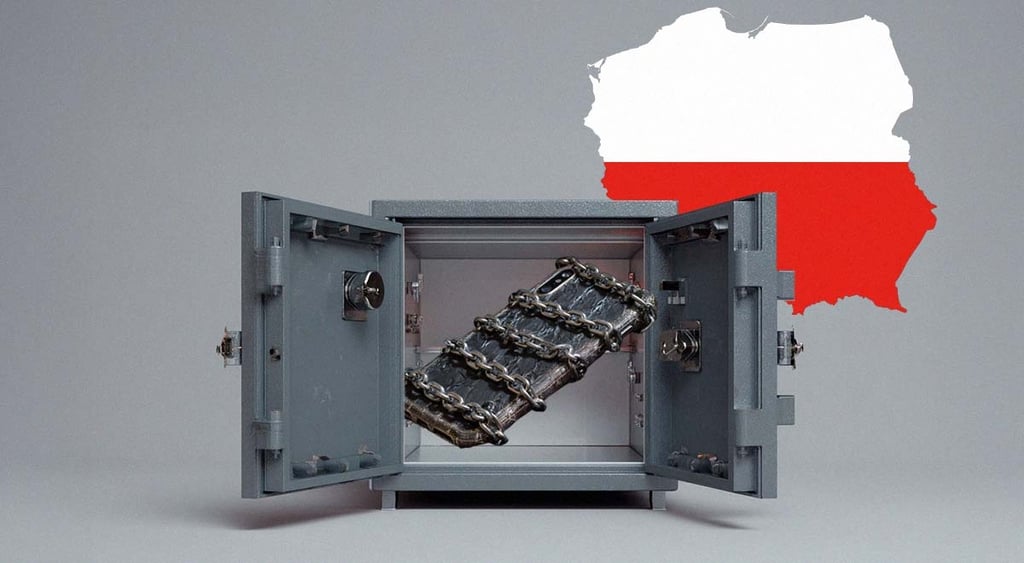
In contrast to other countries, Poland's proposed plan to regulate children's social media use will be built on the concept of digital identity rather than relying solely on the promises made by social media companies.
The Polish government's approach will be supported by implementing a new version of the State Digital ID application that allows confirmation of a child's age without revealing their personal information.
Slovenia
Slovenia is drafting legislation to prohibit children under 15 from using social media. The Slovenian government views this prohibition as a preventive measure to prevent adverse impacts on children rather than as a punitive measure.
The initiative was developed primarily by educators, not regulatory bodies, with a focus on the well-being and developmental issues of children/adolescents. Lawmakers have indicated that the prohibition will extend to the social media components of major social media companies and that experts will assist in determining the details of the ban.
France

The French government is moving forward with one of the most comprehensive social media bans in Europe. Members of the French Parliament recently voted in favor of a ban on social media for children under 15.
The ban is framed as a way to define and protect the boundaries of childhood. It will cover both stand-alone social media applications and social media elements integrated into other applications. Politicians have linked the ban to growing concerns about children's sleep, reading abilities, and online safety.
Spain
In an attempt to better regulate the use of social media by minors, Spain has developed a two-part plan. First, children under 16 will be prohibited from using social media. Second, social media companies will be required to establish stronger mechanisms to verify users' ages and to accept responsibility for how their algorithms are used with minors.
The proposed regulatory model places Spain at the forefront of other European nations working to bring about structural changes to how social media companies are regulated, rather than simply making incremental changes to the existing regulatory environment.
Greece
Greek policymakers are nearing a decision to restrict social media access for children under 15, although before enacting a nationwide ban, they had already taken steps to remove phones from classrooms. The Greek government has characterized children's exposure to social media as a large-scale social experiment with potentially immeasurable results.
The nation is also developing national-level tools to help parents and institutions enforce age-based restrictions on social media use more effectively.
Italy
Italian lawmakers are examining a proposal that would prevent younger users from accessing social media platforms until they reach at least 15. They are also simultaneously regulating an increasing number of younger users who engage in some form of commercial activity on social media.
The legislation is intended to create "digital identity-based age verification" systems and follows increasing pressure on social media companies to meet age-related restrictions.
Denmark
Danish politicians have reached a general agreement on restricting access to social media for children under 15; however, the specific details of how the restriction will operate remain to be decided.
The focus for Danish policymakers has been the total effect of social media on children's sleep habits, attention span, and social pressure. Denmark's national digital ID system will assist in enforcing this restriction, while parents may still have some flexibility as it is further developed.
Finland
Finland's leadership has publicly expressed support for an outright ban on social media for all children under age 15, citing decreased physical activity and increased screen time resulting from their use of these platforms.
Although no legislative bills are pending in Finland to implement a ban on social media for children, many school administrators have already started limiting students' cell phone access during school hours. Finland views social media as a public health issue, a strong indicator of how serious this topic has become.
Germany
In contrast to its neighboring countries, Germany has taken an alternative approach to regulating social media for youth, with no current national bans on children's use. A German parliamentary committee is currently assessing how children are affected by social media and whether its use should be limited.
German policymakers are researching the development of an overarching regulatory system governing youth social media use that does not require parental approval, to address inconsistent enforcement across regions and loopholes in social media companies' terms of service.
Austria
Austria is in the planning stages of restricting access to TikTok, Instagram, and Snapchat for children under 14. The government has stated its goal of implementing this by the start of the 2026-27 school year.
As part of these proposed laws, responsibility for compliance and enforcement will rest with the companies that provide access to the platforms. Authorities are currently reviewing different methods for verifying ages, including biometric estimates or identification checks, similar to the Australian model. But many have expressed concern that the age verification process will be too invasive.
Norway
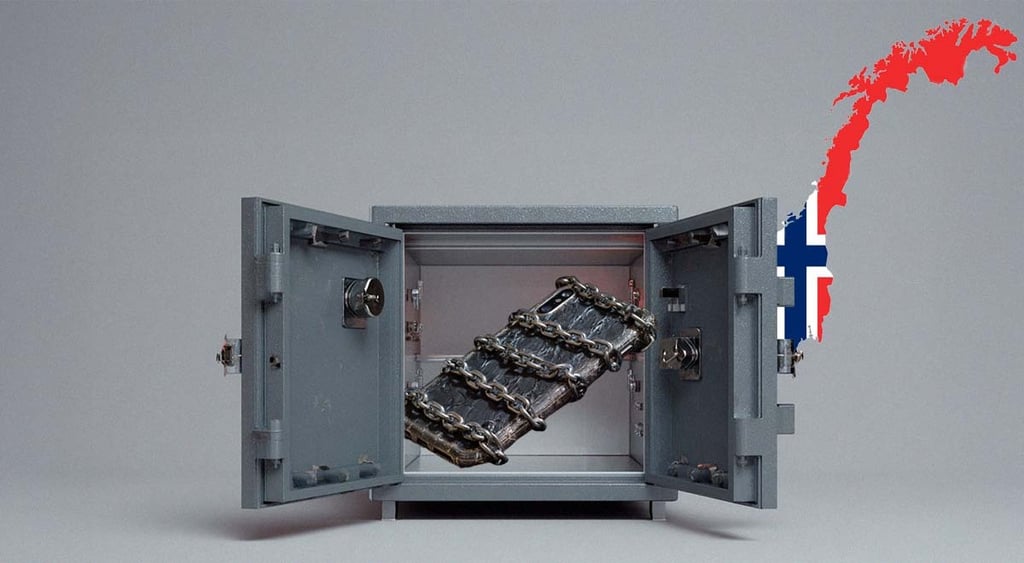
The Norwegian government in October 2024 proposed raising the age at which children can consent to the terms required to use social media to 15 from 13, although parents would still be permitted to sign off on their behalf if they are under the age limit.
The government has also begun work on legislation to set an absolute minimum age limit of 15 for social media use.
European Union
While there is no EU-wide ban on social media for minors, many member states have urged the EU to establish a uniform policy addressing this issue. The EU has required many social media companies to develop ways to protect children under its regulations. Additionally, the EU Commission continues to work on creating an age verification system that can be used across all member states.
A growing number of EU countries are seeking to enact a minimum age limit for minors to use social media across all member states; however, the EU Commission has cautioned national governments against establishing laws that contradict EU legislation.
While the direction is increasingly toward increased oversight and regulation of social media companies, it appears unlikely at this time that there will be a single EU-wide ban on social media.
United Kingdom
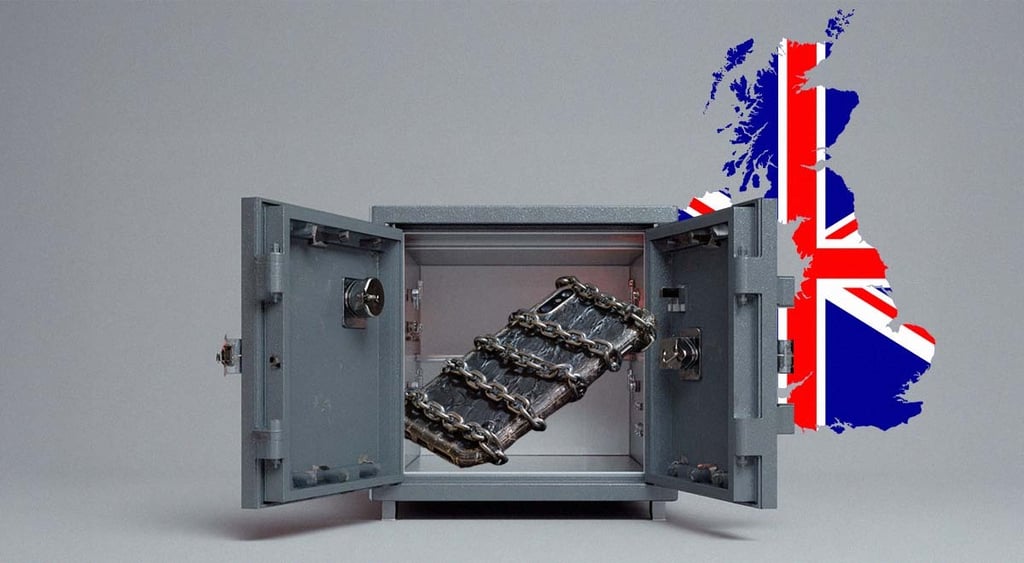
The UK's House of Lords has voted in favor of a law that would prohibit the use of social media and VPNs for all children under 16. In addition to the passage of the new legislative framework, the government will launch a consultation on enforcement mechanisms as it moves toward regulating social media as well.
There is broad public support for protecting our children from the influence of social media algorithms and accessing adult content on the web. But when it comes to social media regulation, the motives of our elected leaders are unclear, and many worry that authorities acting at the same time around the world have ulterior motives. So let's go down that rabbit hole.
Imagine a future where, from school age onward, expanded data collection from age verification systems and digital IDs feeds the algorithms of companies like Palantir. What started as protecting the kids and verifying their ages to access their Xbox and Reddit accounts could unwittingly lead to the criminalization or suspicion of anyone using a secure VPN.
Are fears of algorithmic control getting ahead of reality?
The bigger threat on the horizon is arguably the moment when governments partner with private tech and AI companies to make sense of every citizen's digital footprint.
Regulation rarely ends where it begins, especially when it relies on permanent technical infrastructure. Social media bans today are pitched to unite a polarized society to fight against a digital bogeyman.
Although you might accept that the good guys are in charge of making rational decisions about protecting children today, could the same technology and legislation be used to create online checkpoints that threaten freedom, both online and offline, for the next generation of voters?
Fans of the TV show Westworld will warn of the dangers of a world where every click, movement, transaction, relationship, and hesitation becomes part of a probabilistic model that decides who gets an opportunity and who doesn't.
Westworld stripped away the marketing language and showed the power dynamic underneath. But a future where citizens are no longer controlled through force, but through data, was just the musings of a sci-fi show. Hopefully, it remains that way.