Child safety laws aren’t the answer to protect children online, Mozilla argues
Age restriction tools aren’t a silver bullet and will cause more problems in the long run.

Mozilla Firefox logo seen on a smartphone screen. Thomas Fuller/SOPA Images/LightRocket/Getty.

 Follow us
- Mozilla argues child safety laws relying on age checks risk privacy, security, and free expression.
- The group says age verification often fails, with children bypassing systems through simple steps or parental help.
- Mozilla urges lawmakers to target manipulative platform design and data profiling instead of restricting access tools.
- The debate matters as EU countries consider stricter online safety rules, including controversial age verification systems.
Key Takeaways by nexos.ai, reviewed by Cybernews staff.
Online child safety should be a priority for policymakers, but not at the expense of their privacy, encryption, and security.
New technologies are offering children unparalleled ways to connect and explore online, Mozilla says. And although this brings great opportunities, it also introduces new risks, including mental health issues such as loss of sleep, depression, anxiety, and cyberbullying, and exposure to harmful content.
Therefore, it’s the duty of policymakers to protect young internet users from these real-world harms. The question is: how?
“While many technologies exist to verify, estimate, or infer users’ ages, fundamental tensions around accessibility, their effectiveness, and effects on users’ privacy, security, and free expression remain,” Mozilla argues.


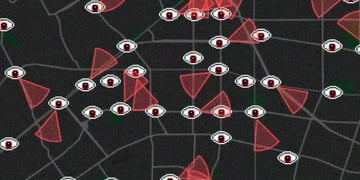



For example, mandatory age verification systems and other technical restrictions that rely on identity checks collect personal and sensitive data, thereby introducing new privacy and security risks. They can even lead to mass surveillance, exclusion, and discrimination.



Stay updated with our latest stories and follow us on social media
Be the first to discover new stories, ideas, and updates from our team.
On top of that, evidence is mounting that age-restriction technologies aren’t even that effective.
Even though Australia implemented a social media ban for kids under 16 in December 2025, most still have access to their accounts.
Furthermore, a recent study on the implementation of the UK’s Online Safety Act found that a third of children have bypassed age verification systems with fairly trivial steps like faking their birthdate, borrowing someone else’s login credentials, or even drawing on facial hair, and that a quarter of parents have helped their children to bypass age assurance systems.
“We are convinced, however, that there are rights-respecting alternatives policymakers can pursue to empower young people online and improve their safety and well-being,” Mozilla claims, and this doesn’t include banning access tools like VPNs.
Curious what others think about this story? Contribute your thoughts to the debate below.
Prohibiting dark patterns and addictive design features is one way to tackle the root causes of online risks because it significantly influences users’ interactions, decisions, and overall well-being.
“Platforms collect enormous amounts of personal data, including sensitive data, to personalize and target services, ranging from algorithmic recommender systems to online ads. While the systems that target and display ads and curate online content are distinct, both are based on the surveillance and profiling of users,” the Firefox developer explains.
So rather than prioritizing legislative intervention, platforms should be held responsible for demonstrating that their design choices are fair, non-manipulative, and non-exploitative. Therefore, Mozilla is urging lawmakers to adopt a privacy-first approach to prevent online harms.
Policymakers in several EU member states are currently pushing for stricter online safety rules, with age verification systems among the most controversial solutions to protect children from online harm.