Privacy coalition pushes EU to put an end to cookie banners
Cookie banners have gone stale, privacy advocates say.

Image by Getty Images/picture alliance.

 Follow us
- A coalition of 19 groups urges EU lawmakers to end misleading cookie banners.
- Privacy advocates say automated signals could share users’ tracking choices with websites and apps.
- The coalition wants Article 88b restored in the EU’s Digital Omnibus proposal.
- Supporters say the proposal would reduce repeated consent requests and deceptive banner designs.
Key Takeaways by nexos.ai, reviewed by Cybernews staff.
An international coalition of 19 civil society organizations, businesses, and academics across Europe is urging European legislators to put an end to misleading cookie banners.
From making the “Accept all cookies” button more prominent than the “Reject all cookies” button to using deceptive colors and hiding the reject option, cookie banners are notorious for their deceptive design.
Contrary to what you might think, cookie banners aren’t required by EU law. It’s the other way around: online tracking is prohibited by default in the EU.
According to the privacy coalition, the current system is broken because cookie banners are the industry’s attempt to trick people into giving consent to track them, both online and offline.



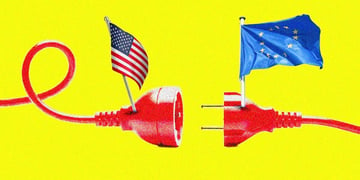


However, they say there’s an easy solution to this problem: automated signals that communicate your privacy preferences between your device and websites or apps. At the same time, they simplify European citizens’ ability to exercise their privacy and data protection rights.
This idea is neither new nor complex, as the European Commission originally proposed it in the autumn of 2025. It’s included in the pending Digital Omnibus, a set of proposals to simplify the existing rules on data protection, in Article 88b of the GDPR.
However, some policymakers are considering dropping the proposal, which the coalition says is extremely concerning.
Privacy is a fundamental right, and people shouldn’t have to fight through endless banners to exercise it,Itxaso Dominguez de Olazabal, Policy Advisor at European Digital Rights (EDRi), says in a statement.
“ePrivacy and the GDPR already protect people, but the industry has turned consent banners into a maze of clicks,” Itxaso Dominguez de Olazabal, Policy Advisor at European Digital Rights (EDRi), says in a statement.
She and the international coalition of civil society organizations feel that adding Article 88b of the GDPR is a simple and meaningful way to protect European citizens’ privacy.



Stay updated with our latest stories and follow us on social media
Be the first to discover new stories, ideas, and updates from our team.
“The proposed solution is a more nuanced approach, allowing for consent or the refusal of consent in advance, thereby keeping users safe from undue influence through deceptive design in cookie banners. It would reduce repetitive consent requests while allowing people to exercise their choices more effectively,” the coalition says in an open letter addressed to European policymakers.
The signatories call on the Irish presidency to re-insert Article 88b into their next compromise text and recommence the debate with the other Member States.
Ursula Pachl, Head of Policy at Austrian privacy advocacy group noyb, calls it “a moment of truth for the EU to show what values it cares about and what its priorities are.”