Supreme Court just made it harder for authorities to get location data from Google and Apple
Tech companies can hand users' location data to authorities, but the Supreme Court now requires authorities to take a different route when dealing with a suspectless crime.
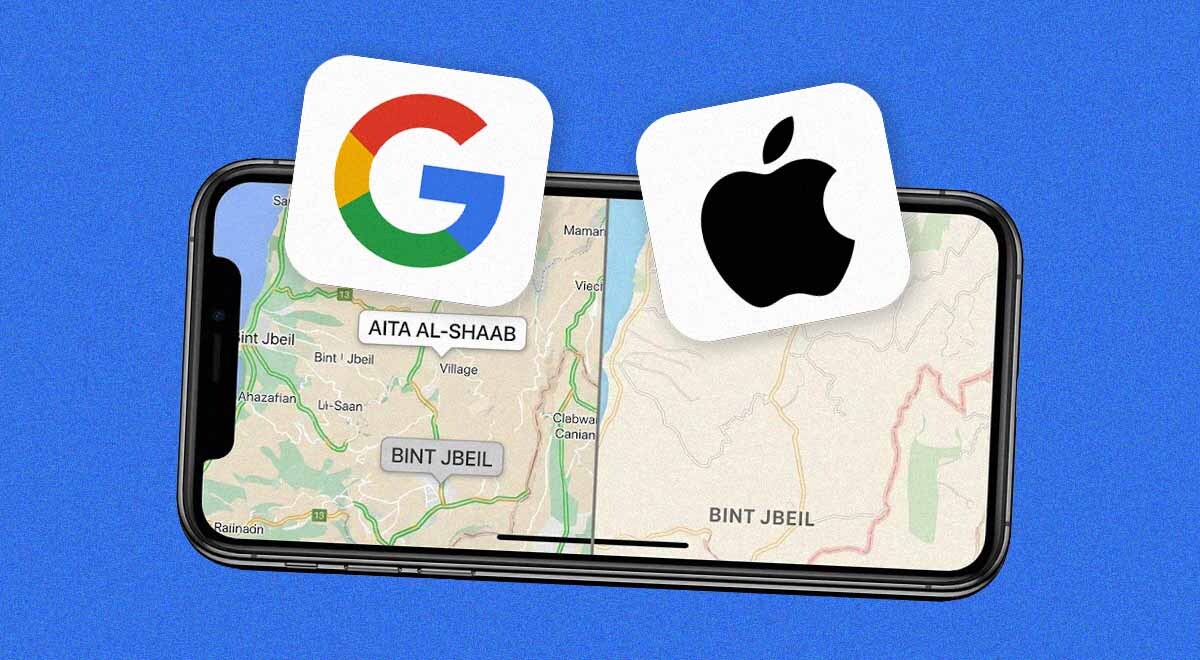
Mapping inaccuracies. Image by Cybernews.

 Follow us
Tech companies can hand users' location data to authorities, but the Supreme Court now requires authorities to take a different route when dealing with a suspectless crime.
- The Supreme Court ruled police need probable cause to request broad location data from tech companies.
- The ruling limits geofence warrants, which collect data on people near a crime scene without naming suspects.
- The decision strengthens privacy protections, but police can still seek location data with evidence of probable cause.
Key Takeaways by nexos.ai, reviewed by Cybernews staff.
The US Supreme Court ruled that authorities must have probable cause before asking tech companies like Google and Apple for users' location data.
Officers are no longer able to frivolously file court orders compelling companies to hand over users’ location data, known as “geofence warrants.”
While law enforcement requests information from tech companies all the time, the difference between specific, warranted requests and “geofence warrants” is that the tech company is required to provide information on a larger pool of people.





In the past, law enforcement could order tech companies like Google and Apple to hand over the location data of anyone who was at a specific location around the time a crime was committed.
This means that people who weren’t suspected of the crime would have their location data ripped from tech companies for just being at the wrong place at the wrong time.
How “geofence warrants” work
The case at the center of this ruling involved a bank robbery from 2019, where authorities requested that Google hand over anonymized location data within a geofence 30 minutes before and 30 minutes after the robbery, the ruling reads.
To narrow the search, authorities cast a wider net, asking Google to hand over the anonymous phone locations within the geofence for a two-hour period before and after the robbery.
Once the list was narrowed down, Google handed over identifying information, which included names and phone numbers of potential suspects.

“Geofence warrants” are typically used when a crime was committed, but police don’t have a suspect, so they draw a virtual perimeter around the scene and ask tech companies to hand over data about the phones in the area around the time of the crime.
While this returned positive results, as one person was charged and pleaded guilty to bank robbery, the court agreed 6 to 3 that warrants of this nature are deemed a “search.”
Police can no longer get Google, Apple data without a reason
A “search” is protected under the Fourth Amendment, which is designed to protect individuals in the US from “unreasonable searches and seizures” because law enforcement is intruding on an individual’s reasonable expectation of privacy.
So, if a “geofence warrant” is considered a “search” in the eyes of the Supreme Court, this means that law enforcement is required to have a legitimate reason (otherwise known as probable cause) to request data on a large pool of people.
If law enforcement hasn’t established a suspect based on sufficient evidence, then “geofence warrants” cannot be issued freely.

While this won’t stop users from accessing location data from Google and Apple if they have probable cause, it does ensure, to an extent, that officers can’t access it without reasonable evidence.
However, “geofence warrants” can be used to track criminal gangs or associates working with a known criminal, but authorities still need to provide evidence of probable cause.
One Justice of the Supreme Court, Elena Kagan, gave the opinion that “an individual has a reasonable expectation of privacy in records about his cell phone’s location, and police intrude on that constitutionally protected interest when they demand the information, even though for only a limited time, and from a third-party tech company.”



Stay updated with our latest stories and follow us on social media
Be the first to discover new stories, ideas, and updates from our team.
Unlock more exclusive Cybernews content on YouTube.