Is tourism turning into surveillance? France cracks down on live camera feeds
Municipalities in France that have installed so-called “tourist” cameras to record tourist attractions to promote their town may violate European privacy laws, the Commission Nationale de l’Informatique et des Libertés (CNIL) argues.
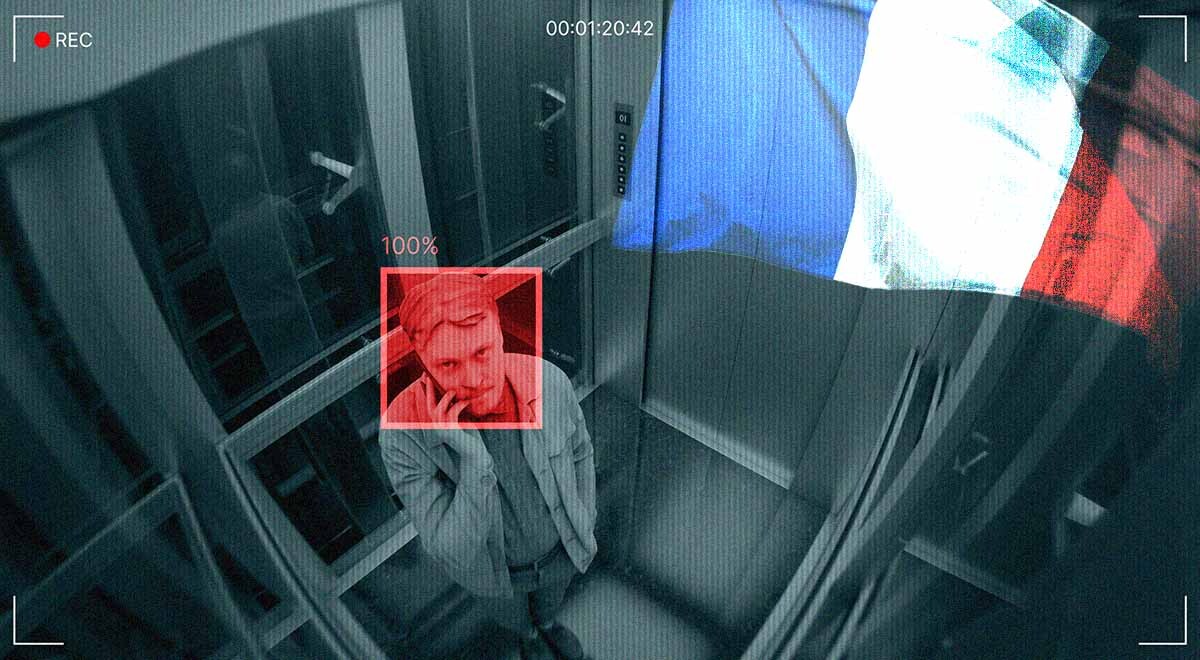
Image by Cybernews.

 Follow us
Municipalities in France that have installed so-called “tourist” cameras to record tourist attractions to promote their town may violate European privacy laws, the Commission Nationale de l’Informatique et des Libertés (CNIL) argues.
Numerous municipalities in France have installed cameras in public places to promote tourism, according to a report by the data protection authority (DPA). Frequently, images are being recorded and broadcast live on the town’s website for people all around the world to see.
However, municipalities are only allowed to film public roads and spaces under strict conditions, such as to ensure the safety of people or to protect public property. Especially when visitors and vehicles are being broadcast live.
Most municipalities claim they have a legitimate interest in filming tourist hotspots. However, according to the CNIL, municipalities can’t invoke “legitimate interest” as a legal basis because personal data is collected and distributed online.
“To be able to retain legitimate interest as a legal basis, the processing must not cause disproportionate harm to the rights and interests of individuals whose data is processed, taking into account their reasonable expectations. It is necessary to realize a ‘balancing’ of the rights and interests of each person concerning the concrete conditions of its implementation,” the DPA reminds us.



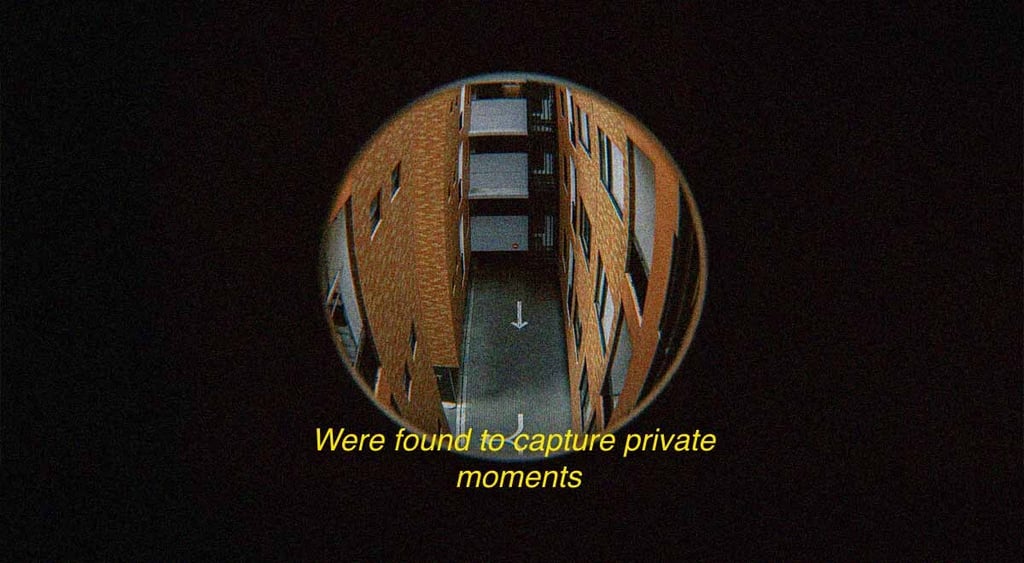
In addition, some of these “tourist” cameras were found to capture private moments in people’s lives, such as visiting a bar, participating in a demonstration, and even the entrances and windows of private homes.
Furthermore, neither the inhabitants of municipalities nor tourists are expected to be videotaped, nor broadcast live. Also, the broadcasted footage can be used for all sorts of purposes unrelated to promoting tourism.






Lastly, the regulator notes that these types of systems don’t allow people to object before being filmed, which is required by the General Data Protection Regulation (GDPR).
The CNIL doesn’t prohibit the use of tourist cameras. However, they must be installed in a way that does not capture personal data. This means viewing angles have to be limited to public buildings. Entrances or windows of private homes can’t be recorded.
Unlock more exclusive Cybernews content on YouTube.