What is the best SATA ssd to buy in 2026


SATA SSDs remain one of the most practical storage upgrades for a wide range of computers. While they do not match the speeds of modern NVMe drives, SATA SSDs offer a major improvement over traditional hard drives in boot times, application loading, and overall system responsiveness.
They are especially relevant for older desktops, laptops, and systems without M.2 support. In many cases, upgrading to a SATA SSD is one of the simplest ways to extend the usable life of a computer.
We, the Cybernews Smart Savings team, together with the wider Cybernews research team, reviewed and investigated the best SATA SSDs currently available on Amazon. We did not physically test these drives ourselves. Our evaluation is based on publicly available specifications, manufacturer disclosures, and recurring patterns found in user feedback and expert discussions online.
In this guide, we rank the best SATA SSDs from best to worst based on overall reliability, real-world performance consistency, and suitability for different upgrade scenarios. We also explain what to consider before choosing a SATA SSD.
The best SATA SSDs compared
Before diving into individual reviews, it helps to compare SATA SSDs side by side. While all SATA drives are limited by the same interface speeds, differences in controller quality, DRAM usage, and long-term reliability can noticeably affect everyday use.
|
|
|
|
|
|
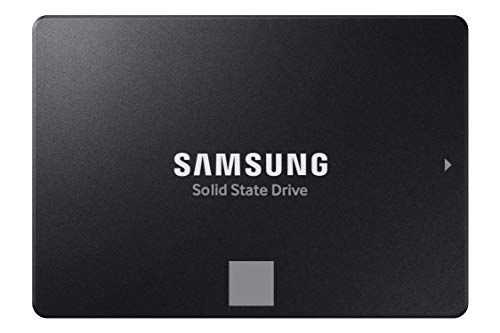
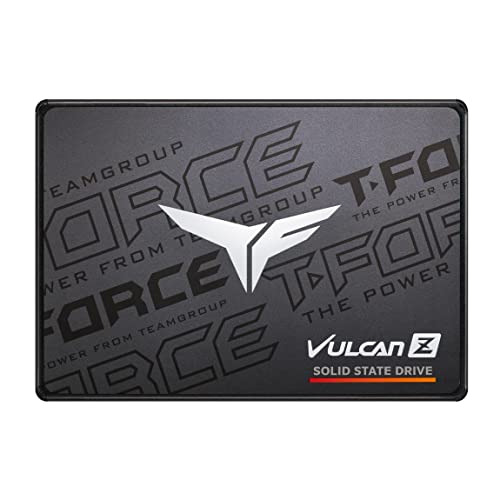
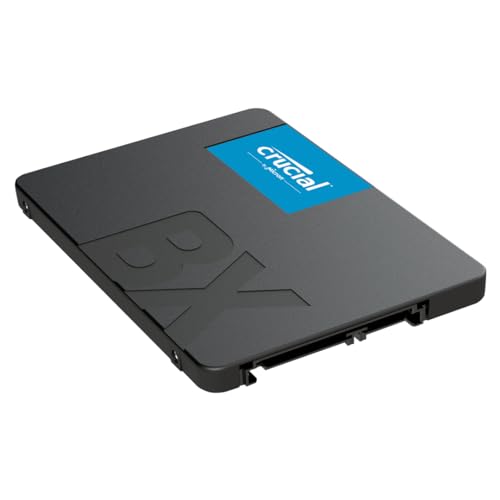
| Title | Samsung 870 EVO | TEAMGROUP T-Force Vulcan | Crucial BX500 | Fikwot FX815 | OSCOO SATA SSD |
| Price | $332.79 $519.99 -36% | $132.99 | $199.95 | $116.99 $139.99 -16% | $169.99 |
| Form factor | 2.5-inch | 2.5-inch | 2.5-inch | 2.5-inch | 2.5-inch |
| DRAM | Yes | Yes | DRAM-less | Not specified | Not specified |
| Best for | Reliable long-term upgrades | Daily computing and home systems | Entry-level upgrades | Budget upgrades and secondary drives | Straightforward HDD replacements |
| More info | Buy on Amazon Details | Buy on Amazon Details | Buy on Amazon Details | Buy on Amazon Details | Buy on Amazon Details |
5 Best SATA SSDs – our detailed list
1. Samsung 870 EVO – best SATA SSD overall
The Samsung 870 EVO ranks as the best SATA SSD overall thanks to its strong reputation for reliability and consistently stable performance. It is designed for users who want a dependable upgrade for daily computing, professional workloads, or systems expected to remain in use for many years.
Based on specifications and recurring user feedback, the 870 EVO delivers smooth system responsiveness and predictable behavior during file transfers. It is frequently recommended for laptops and desktops where stability matters more than peak speed.
2. TEAMGROUP T-Force Vulcan – best SATA SSD for everyday use
The TEAMGROUP T-Force Vulcan is a well-balanced SATA SSD aimed at everyday users. It focuses on consistent performance and simple compatibility, making it suitable for home PCs, office systems, and general-purpose upgrades.
User feedback often highlights smooth boot times and responsive application loading during routine tasks. For users who want a reliable SATA drive without unnecessary features, the Vulcan offers a practical balance.
3. Crucial BX500 – best SATA SSD for basic upgrades
The Crucial BX500 is designed for users who want a straightforward upgrade from a hard drive. While it lacks a DRAM cache, it still provides a clear improvement in responsiveness for systems used for browsing, office work, and light tasks.
Based on user discussions, the BX500 is commonly chosen for older laptops and secondary systems. It performs best in light workloads where long, sustained writes are uncommon.
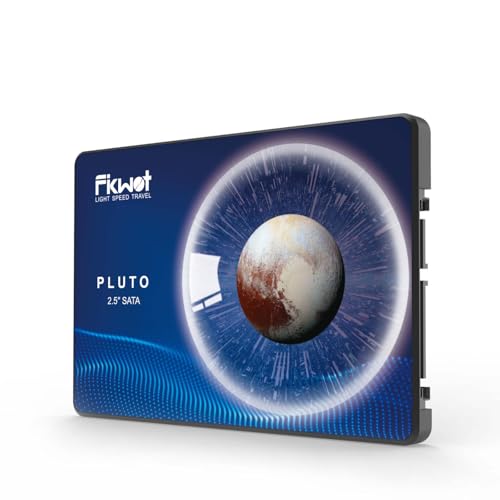
4. Fikwot FX815 – best SATA SSD for budget-focused users
The Fikwot FX815 targets users who want a low-cost SATA SSD for basic storage upgrades. It is aimed at older desktops and laptops where improving general responsiveness matters more than maintaining high sustained speeds.
Based on available information and user feedback, the FX815 performs adequately for booting, browsing, and application loading. It is typically chosen as a secondary drive or as a replacement for aging hard drives.
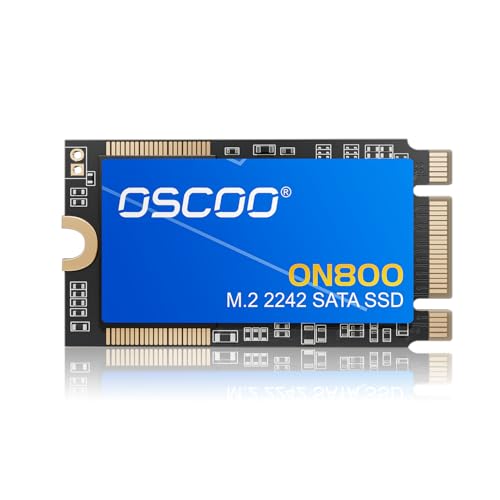
5. OSCOO SATA SSD – best SATA SSD for simple replacements
The OSCOO SATA SSD is designed for simple hard drive replacements in older systems. It focuses on basic functionality rather than advanced performance features.
User feedback suggests that it delivers noticeable improvements over traditional hard drives for everyday tasks. It is best suited for light use cases where consistency and compatibility are more important than speed stability under heavy loads.
Our methodology
To rank these SATA SSDs, we relied on a structured evaluation framework developed together with the Cybernews research team. The goal was to reflect how these drives perform and are perceived in real-world use rather than focusing solely on advertised specifications.
Each SATA SSD was evaluated using the following weighted criteria:
- Performance and responsiveness (25%). We reviewed controller design, DRAM usage, and user-reported responsiveness during booting, application loading, and everyday multitasking
- Reliability and brand reputation (25%). We considered manufacturer track record, warranty expectations, and recurring feedback related to long-term stability
- Consistency under load (20%). We assessed how well the drive maintains performance during longer file transfers and repeated use
- Value for the target audience (20%). We evaluated whether the feature set makes sense for the intended use case, such as basic upgrades or daily computing
- Compatibility and ease of use (10%). We reviewed installation ease and reported issues across different systems
This approach helps ensure the rankings reflect practical usability rather than theoretical performance limits.
Factors to consider when choosing a SATA SSD
Choosing the right SATA SSD depends largely on how you plan to use your system. While all SATA drives share similar maximum speeds, their behavior in everyday use can vary.
Before buying, it is worth considering the following factors:
- DRAM vs DRAM-less design. SATA SSDs with DRAM generally offer better consistency during multitasking and file transfers, while DRAM-less models are better suited for light use
- Intended workload. Office work, browsing, and media playback place different demands on storage than frequent large file transfers
- System age and compatibility. SATA SSDs are ideal for older systems that do not support NVMe drives
- Upgrade purpose. Replacing a hard drive requires different priorities than adding secondary storage
Understanding these factors makes it easier to choose a SATA SSD that matches your actual needs.
Best SATA SSD according to users
User feedback provides valuable insight into how SATA SSDs perform beyond specifications. By reviewing recurring discussions and opinions across forums, reviews, and retailer feedback, several clear patterns emerge.
Based on consistent themes in user feedback:
- Samsung 870 EVO is frequently praised for its long-term reliability and predictable performance
- TEAMGROUP T-Force Vulcan is valued for stable everyday responsiveness
- DRAM-less SATA SSDs are commonly chosen for light upgrades where cost and compatibility matter most
- Budget SATA SSDs are often recommended as effective replacements for traditional hard drives
At the same time, users often note that DRAM-less drives may slow down during long write-heavy tasks.
Final verdict
The best SATA SSD depends on how you plan to use your system. For users seeking maximum reliability and consistency, the Samsung 870 EVO stands out as the strongest overall option. Those focused on everyday computing may prefer the TEAMGROUP T-Force Vulcan, while basic upgrades and older systems are well served by Crucial BX500 and other budget alternatives.
While SATA SSDs cannot match NVMe speeds, they remain one of the most impactful upgrades for older and compatible systems.