Samsung’s big moment at CES 2026: Brand introduces one of a kind 130‑inch Micro RGB TV


Samsung has taken centre stage at CES 2026, using the world’s largest tech show to outline its vision for the future of televisions. Our team is on the ground in Las Vegas, following the announcements and getting a closer look at Samsung’s latest TV technology. From record‑breaking screen sizes to new display technologies and AI‑driven features, the company’s TV announcements are among the most talked‑about stories to come out of Las Vegas this year.
Rather than focusing on a single headline product, Samsung is positioning its 2026 TV lineup around scale, colour accuracy and smarter everyday use. The result is a clear signal of where premium TVs are heading next.
-
Samsung’s 130-inch Micro RGB TV is the most eye-catching TV reveal at CES 2026
-
Micro RGB is expanding into a broader lineup, signalling a new premium tier below microLED
-
Samsung is pursuing a dual strategy with both ultra-luxury microLED and more scalable Micro RGB TVs
-
AI features are becoming central to picture quality, sound and smart home integration
-
OLED remains an important part of Samsung’s TV lineup alongside newer display technologies
Samsung shows off a 130‑inch Micro RGB TV
The standout reveal from Samsung’s CES booth is a massive 130‑inch Micro RGB TV. Designed as a statement piece, the display immediately drew crowds thanks to its sheer size and striking image quality.
Unlike traditional LED TVs, the Micro RGB panel uses extremely small red, green and blue LEDs to control colour and brightness with far greater precision. Samsung says this allows for richer colours, higher brightness levels and improved contrast, even in brightly lit rooms.
The TV is also designed to feel more like art than a piece of consumer electronics. With a minimalist frame and wall‑focused presentation, Samsung is clearly targeting luxury buyers looking for a centrepiece rather than just another screen.

Micro RGB expands beyond a single flagship
While the 130‑inch model grabbed the headlines, Samsung also confirmed that Micro RGB will not remain a one‑off showcase product. At CES 2026, the company revealed plans for a broader Micro RGB lineup, with screen sizes ranging from around 55 inches up to well over 100 inches.
This move suggests Samsung is aiming to bridge the gap between conventional premium TVs and ultra‑expensive self‑emissive microLED displays. Micro RGB sits below microLED in Samsung’s hierarchy, but still promises noticeable gains in colour accuracy and brightness over standard LED TVs.
For buyers, that could mean access to next‑generation picture quality without moving fully into the most extreme high‑end price tier.
A dual strategy for Samsung TVs in 2026
Samsung’s CES announcements underline a dual strategy for its TV business. On one side, the company continues to push self‑emissive microLED as the ultimate luxury display technology. On the other, Micro RGB is positioned as a more attainable premium option that can scale across multiple sizes.
This approach allows Samsung to compete on several fronts at once. It protects its position at the very top of the market while also giving it a strong answer to high‑end OLED and advanced LED TVs from rivals.
Industry watchers see this as a way for Samsung to maintain dominance in the premium segment while gradually introducing new display technologies to a wider audience.
AI features take a bigger role
Beyond raw display hardware, Samsung is leaning heavily into AI across its 2026 TV lineup. At CES, the company highlighted smarter picture and sound optimisation that can adjust in real time based on content and viewing conditions.
AI‑powered features are also tied more closely to Samsung’s wider smart home ecosystem. TVs are positioned as central hubs that can interact with other connected devices, respond to voice assistants and adapt to user habits.
This focus reflects a broader industry shift, where TVs are no longer treated as standalone screens but as intelligent devices that sit at the centre of the living room.
New OLED models still matter
Although Micro RGB dominated the conversation, Samsung did not ignore OLED at CES 2026. Updated OLED models were shown with improvements in brightness, design and overall efficiency.
These TVs are aimed at buyers who value deep blacks and cinematic image quality but may not be ready to jump to newer, more experimental display technologies. Samsung’s message is clear: OLED remains a key part of its lineup, even as it pushes aggressively into Micro RGB and microLED.
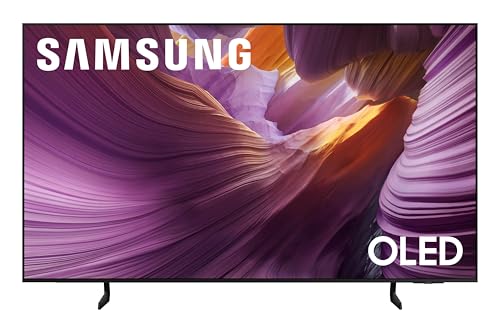
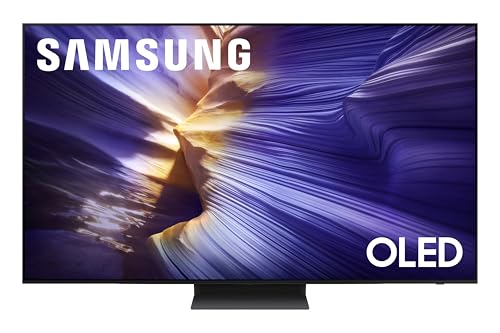
Here are a few of the most popular OLED options until now:
Competition heats up on the CES show floor
Samsung’s TV push comes as competition at CES 2026 intensifies. Rival brands are also showcasing ultra‑thin designs, wireless connections and alternative approaches to premium display tech.
The result is one of the most competitive CES show floors in recent years, with manufacturers racing to define what a high‑end TV should look like in 2026 and beyond.
Live CES 2026 update
Why CES 2026 matters for Samsung TVs
CES is often where long‑term TV trends first become clear, and Samsung’s announcements this year set a strong tone for what’s ahead. Bigger screens, more precise colour control and deeper AI integration are all central to the company’s strategy.
For consumers, CES 2026 suggests that the next wave of Samsung TVs will not just be about size, but about how intelligently those screens fit into everyday life.