CES 2026 turns robot vacuums into full-fledged home robots


CES 2026 is already underway, and if there’s one category that’s clearly crossed a threshold this year, it’s robot vacuums. What used to be a race for stronger suction or smarter mapping has evolved into something bigger: robots that understand homes, adapt to messes in real time, and handle hygiene with near-appliance-level precision.
Walking through this year’s announcements, it’s obvious that robot vacuums are now a centerpiece of the smart home conversation. Brands aren’t just selling cleaning – they’re pitching autonomy, intelligence, and trust. Vision systems are sharper, obstacle recognition is more contextual, and docking stations are doing far more than emptying dust bins. From steam mopping to lost-item detection, CES 2026 marks a turning point.
As someone who’s tracked this space closely for years, I’d argue this is the most meaningful leap robot vacuums have made since self-emptying docks first appeared.
-
Robot vacuums are shifting from cleaning tools to multi-sensor home robots with vision, AI, and contextual awareness
-
Mopping has become just as important as vacuuming, with heated water, steam, and adaptive pressure taking center stage
-
Docking stations are now complex systems, handling washing, drying, sanitizing, and maintenance with minimal user input
-
Premium pricing is rising, but so is capability – several flagships now rival upright vacuums in performance
-
The focus at CES 2026 is clear: fewer interventions, fewer errors, and robots that can be trusted to operate unattended
CES 2026-worthy robot vacuums
While most CES 2026 robot vacuums are yet to go on sale, I’ve decided to look into available products that are CES 2026-worthy.
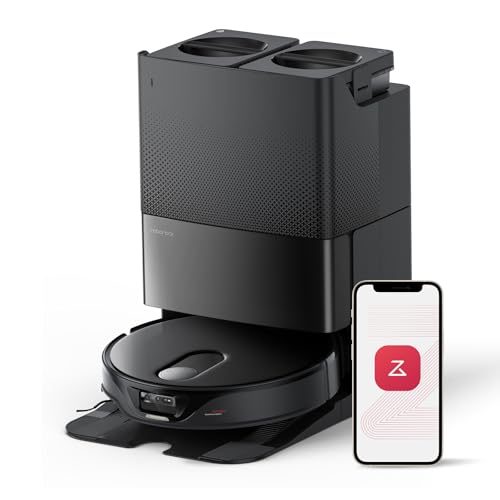
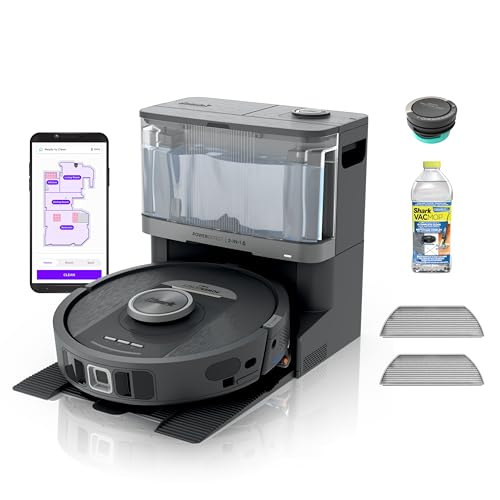
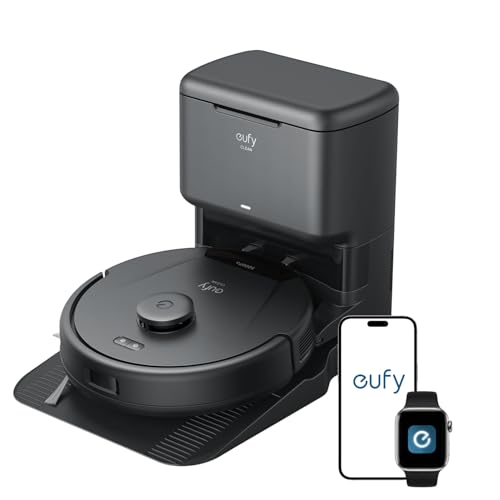
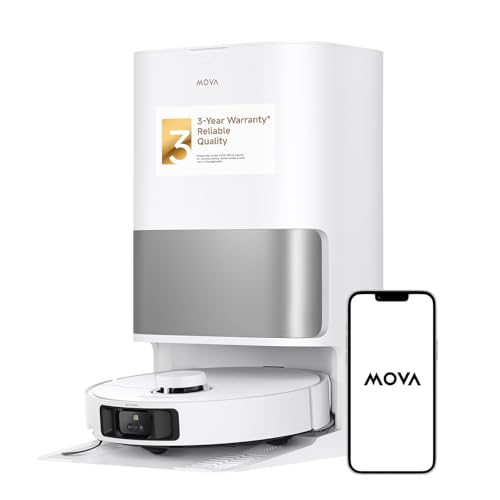
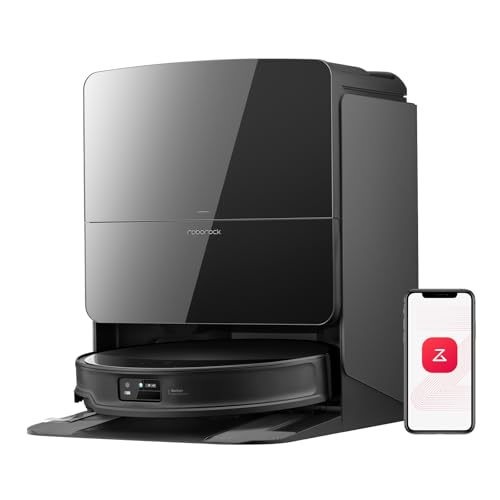
CES 2026 robot vacuums: what’s actually new this year
CES often brings incremental updates, but 2026 feels different. Several trends stood out immediately. These changes aren’t about convenience alone – they’re about making robot vacuums reliable enough to run without supervision.
- Advanced vision systems. Robot vacuums now use multi-camera arrays and structured light to identify objects like cables, pet waste, and even misplaced items. This reduces collisions and prevents costly mistakes.
- Next-generation mopping. Heated water, steam cleaning, and self-cleaning mop rollers are no longer experimental — they’re becoming standard on high-end models.
- Smarter autonomy. Robots are learning when not to clean, adjusting routes based on room usage, time of day, and detected mess types.
- Dock evolution. Docks now act as sanitation hubs, washing mops with hot water, drying them to prevent odor, and sterilizing components automatically.
The standout robots at CES 2026
Our selected models stand out not because they add flashy features, but because they meaningfully advance autonomy, hygiene, and hands-free operation – the 3 areas defining robot vacuums at CES 2026. Each reflects a clear shift toward robots that can be trusted to clean complex homes with minimal supervision.
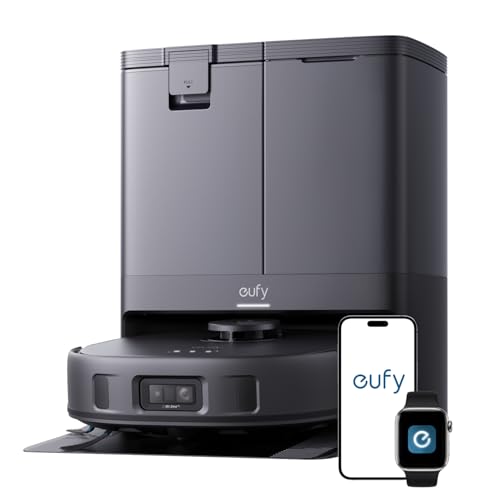
Eufy Omni S2 and Eufy’s premium push
Eufy’s CES lineup makes it clear the brand is targeting the ultra-premium segment. The Omni S2 builds on Eufy’s strength in obstacle avoidance, pairing advanced vision with a fully automated dock that washes, dries, and manages mop hygiene. Eufy’s higher-end models also emphasize quieter operation and tighter edge cleaning – two areas users consistently complain about.
What stands out to me is Eufy’s confidence in charging flagship prices. That only works if reliability matches ambition, and CES 2026 suggests the brand is ready to make that leap.
Narwal Flow 2 and the future of mopping
Narwal continues to treat mopping as a first-class feature, not an add-on. The Flow 2 flagship uses adaptive pressure and heated water to tackle dried stains – the kind of mess robot vacuums traditionally struggle with.
Narwal’s approach feels almost appliance-like. Instead of mimicking a vacuum with a mop attached, these robots behave more like autonomous floor washers, which is exactly where the category seems to be heading.
Samsung Bespoke AI Jet Bot Steam Ultra
Samsung’s latest Jet Bot leans heavily into hygiene. Steam cleaning is its defining feature, designed to sanitize floors rather than just wipe them down. Combined with AI-based object recognition, Samsung is clearly aiming at households where cleanliness and automation need to coexist – especially homes with pets or kids.
Samsung’s strength here is ecosystem integration. For users already invested in SmartThings, this robot feels less like a gadget and more like part of a coordinated home system.
LG’s vision-based home robots
LG’s CES presence focused less on raw cleaning stats and more on robotics intelligence. Its latest robot vacuums emphasize spatial awareness, learning patterns, and integration with broader home robotics platforms like CLOiD.
To me, LG’s approach feels like a long game. These robots are steps toward multifunction household assistants, not just cleaners.
Robot vacuums that can find lost items
One of the more quietly impressive demos at CES 2026 came from robots capable of detecting and alerting users to lost items on the floor. This may sound minor, but it signals a shift toward perception-first robotics – robots that understand what they see, not just where they are.
Discover more robot vacuums
Best robot vacuum cleaners: top models compared
Best robot vacuum for hardwood floors: gentle, streak-free floor cleaning
Best budget robot vacuum: strong features at lower cost
Best self-emptying robot vacuum: fully automated, low-maintenance cleaning
Best vacuum mop combo robot: advanced mopping and vacuuming in one
Why CES 2026 matters for robot vacuums
CES 2026 isn’t about flashy suction numbers or marginal app updates. It’s about trust. Brands are finally addressing the reasons people hesitate to let robots clean unattended: missed spots, wet mops, tangled cables, and hygiene concerns.
What I’m seeing this year is a category maturing fast. Robot vacuums are becoming dependable systems, not just helpful gadgets. Prices are rising, yes – but so is capability, and the gap between “robot vacuum” and “real cleaning” has never been smaller.
If there was ever a year where robot vacuums stopped feeling optional and started feeling inevitable, CES 2026 is it.