This AI aggregator leaked nearly 18 million files, including sex doll makers’ customer support chats
An ocean of data, including chat logs, generated images and videos were left exposed.
Data leak exposed sex doll maker's customer support chat. Visual by Cybernews.

 Follow us
- 302.ai exposed 17.6 million files after an Azure storage bucket was left publicly accessible, leaking 22.72TB of user data.
- The 302.ai data leak included chat logs, generated images, videos, audio files, documents, and archived conversation files.
- Exposed chat logs contained user prompts, assistant replies, timestamps, token costs, and sometimes personally identifiable information.
- Researchers found enterprise data in the leak, including customer support chatbot logs linked to a prominent sex doll manufacturer.
Key Takeaways by nexos.ai, reviewed by Cybernews staff.
A security lapse at 302.ai, an AI aggregator, has exposed a massive amount of user information. The data leak affects both private and corporate users.
The AI aggregator leaked nearly 23TB of user data, or 17.6 million files, our researchers discovered. The information includes exactly what you’d expect: AI prompts, the machine’s replies, images, videos, and various corporate documents.
302.ai is a middleman between chatbot makers and end users. Its customers can access all major large language models (LLMs), such as ChatGPT, Claude, Grok, DeepSeek, Gemini, and many others.
After our research team reached out to the company, the exposed data was taken offline and is no longer publicly available. We have no evidence that malicious actors accessed or downloaded the data. However, if our team was able to find it, less impartial individuals may have, too.






We’ve reached out to the company for comment and will update this article once we receive a reply.
What did the 302.ai data leak expose?
Our researchers discovered the treasure trove of exposed data via a publicly available Azure storage bucket owned by 302.ai. We’ve written numerous articles about companies accidentally exposing information they hold via misconfiguration errors, often human-made.
While we can’t be 100% sure, it’s highly likely that, in this case too, the data was left exposed accidentally.
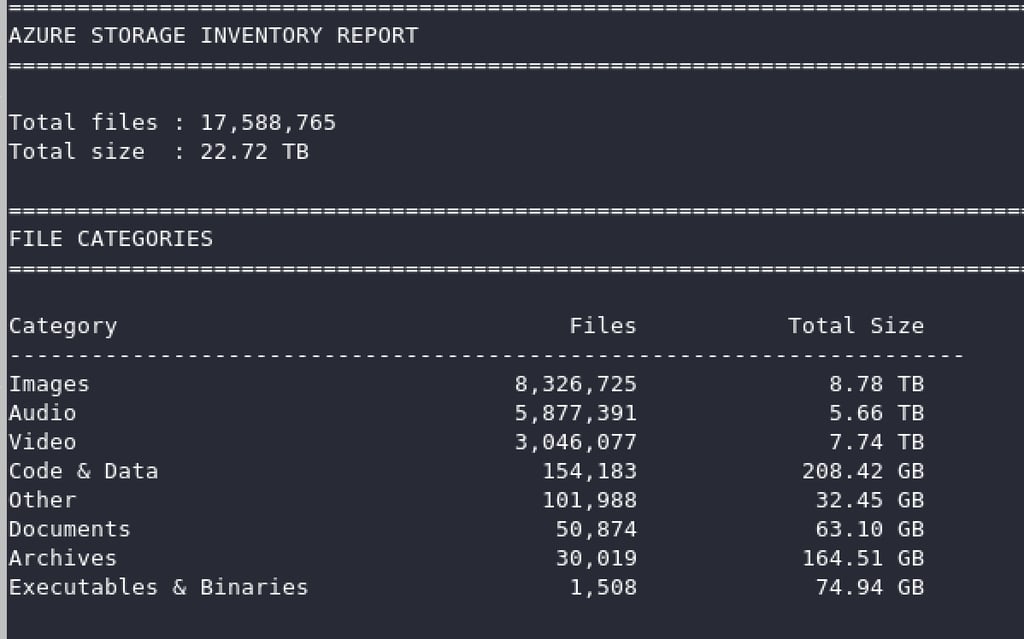
Accidental or not, the damage is real. The exposed bucket our team discovered contained 17.6 million files, totaling 22.72TB of data. The largest part of the exposed dataset was made up of images that made up nearly 9TB of data, with another 7.7TB being video, and a further 5.6TB being audio files.
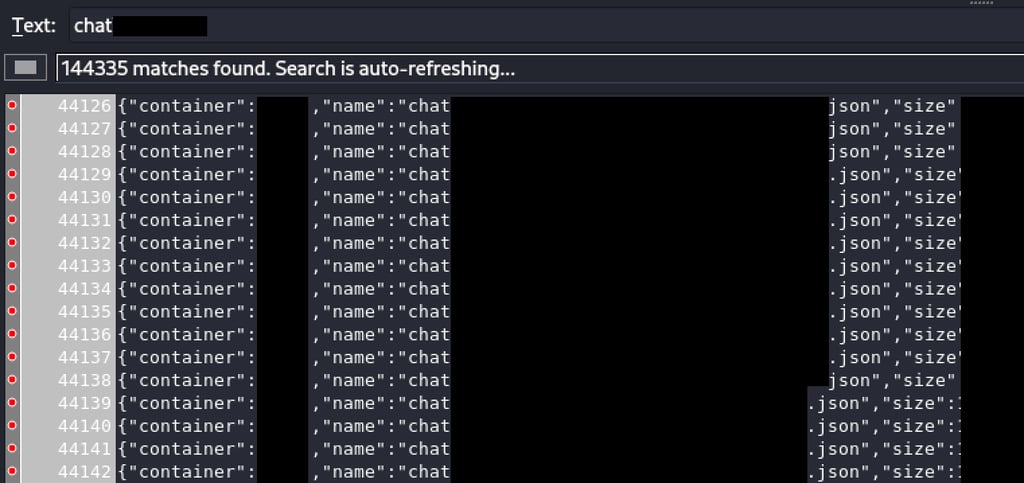
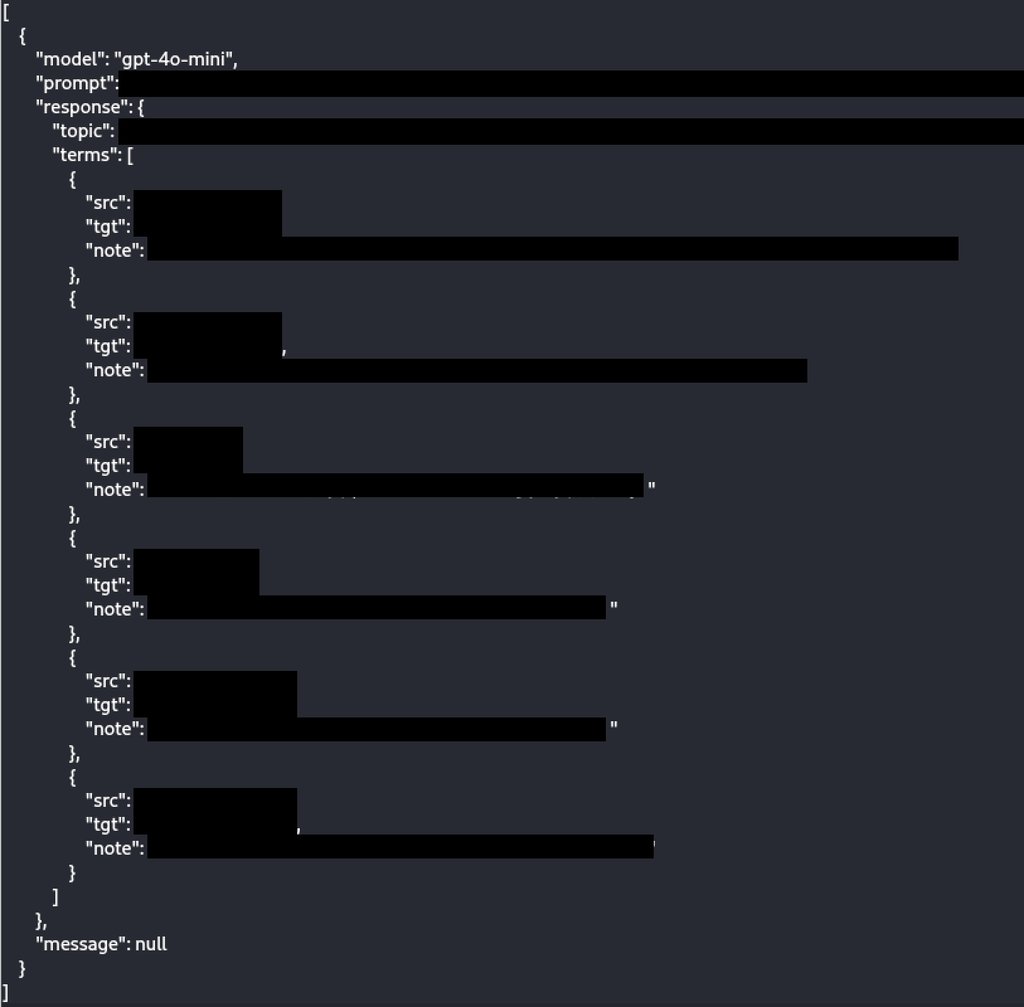
While much of the audiovisual data is likely just more AI slop, the same cannot be said for over 144,000 chat logs. Stored in .json files, the chat logs exposed a lot of personal information, including:
- User prompts
- Replies from the assistant
- Model used
- Token costs
- Timestamps
- Other metadata
According to our team, some chat logs contain personally identifiable information (PII) that users likely provided themselves. Exposed PII included anything from birth dates and genders to contact information and home addresses.
Private users weren’t the only ones affected by the AI aggregator data leak. Our research team also noticed enterprise client information, some of whom likely wouldn’t want to have their data left unattended.
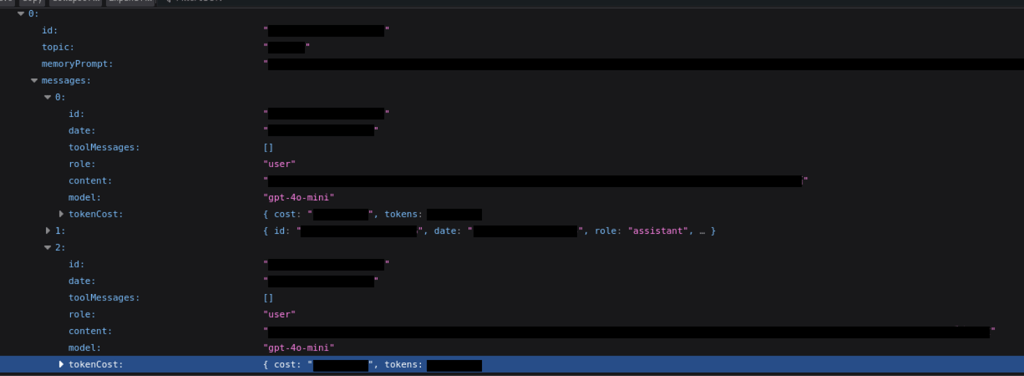
“What we found was that some companies used the service for enterprise tasks. For example, we found multiple chat logs from a customer support chatbot owned by a prominent sex doll manufacturer,” the team explained.
Other exposed details included numerous documents. Their contents varied wildly, with some discussing LLM development research and others resembling private documents that users likely wanted to analyze.
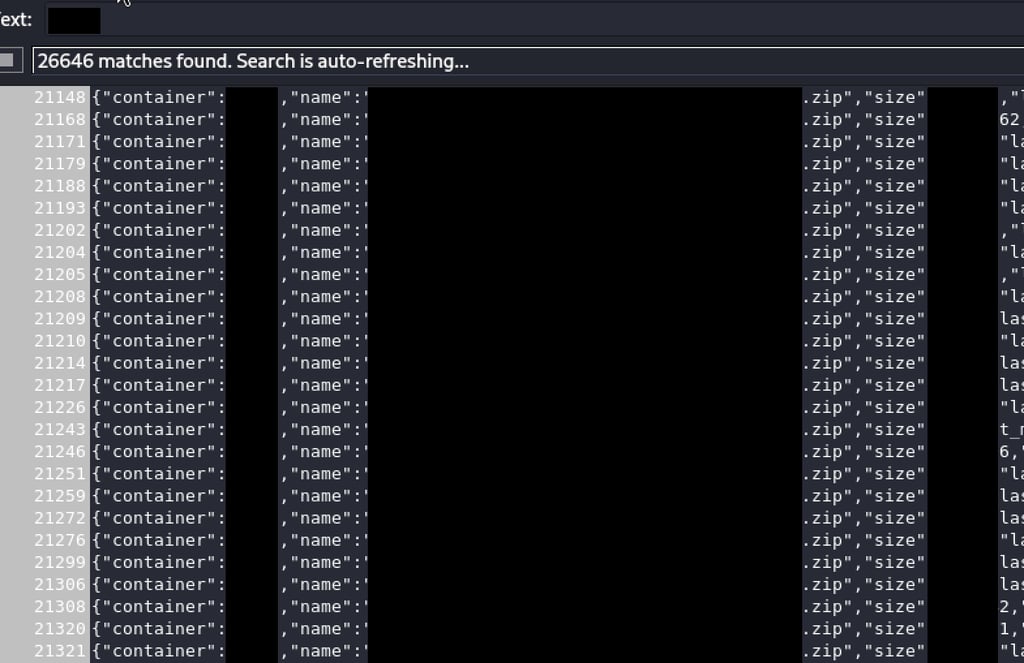
The exposed Azure bucket also contained over 26,000 .zip files with conversation data, including conversation summaries, user input & output by the model, and files included in the conversations.

Check if your data was exposed
Find out if your email and related personal information have appeared in known data breaches.
Data security is not only for big tech
While there’s no shortage of content highlighting numerous security lapses by large corporations that hold our data, it’s not solely up to them to protect users’ information.
“Both individuals and businesses increasingly trust AI agents with sensitive information, be it personal details or business operation info,” our team explained.
“Therefore, not only the primary AI companies, but also businesses that handle these agents bear the responsibility to handle whatever information that can occur in these chats as securely as possible.”
Malicious actors could exploit the leaked information in various ways. While they’re unlikely to turn user-made AI slop against them, they could use leaked chats to better understand their victims and target them where it matters most.
Personalized social engineering campaigns are built on personal data, and understanding how users interact with chatbots can be a useful tool for targeting victims. At the same time, exploiting uploaded content can allow it to spearhead the attacks, peppered with the issues individuals are currently facing.
302.ai is developed by Univerads Technology Limited, a Hong Kong-based company founded in 2020.
Disclosure timeline:
- Leak discovered: August 2nd, 2026
- Initial disclosure: August 11th, 2026
- Leak observed closed: September 8th, 2026