Drone attacks expose vulnerability of cloud infrastructure in Gulf conflict
In the wake of Amazon's revelation that Iran struck three of its facilities in the UAE, and as Iran sees commercial cloud regions as high-leverage nodes for critical services, we might wonder what this all means going forward
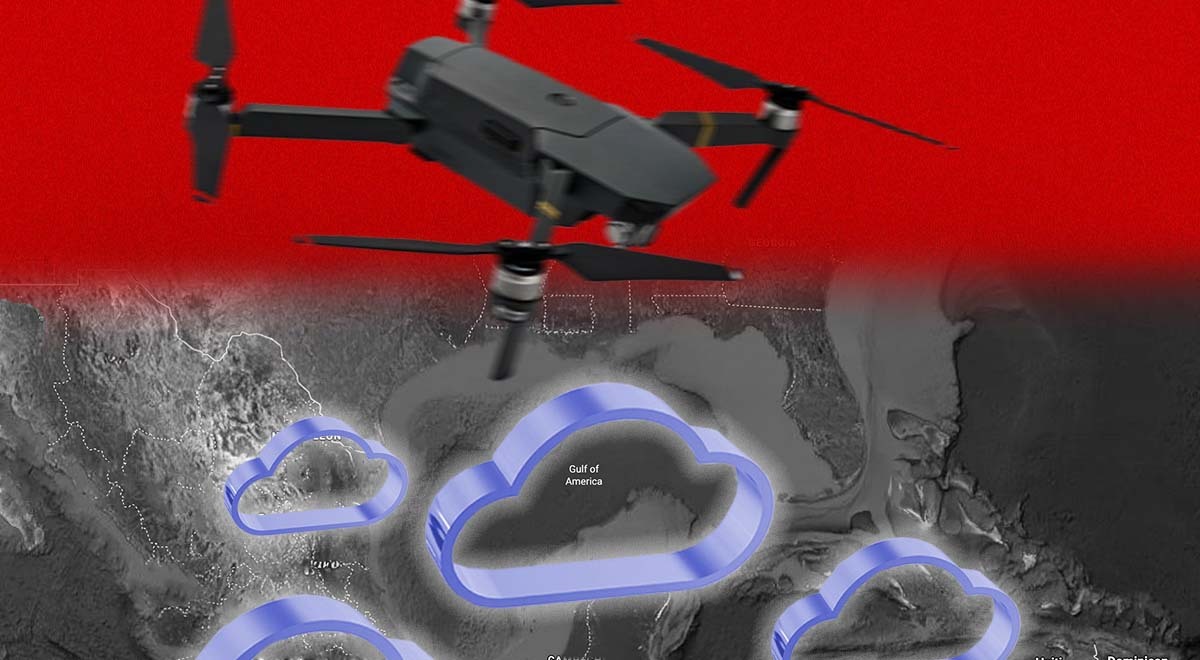
Image by Cybernews

 Follow us
In the wake of Amazon's revelation that Iran struck three of its facilities in the UAE, and as Iran sees commercial cloud regions as high-leverage nodes for critical services, we might wonder what this all means going forward.
It was a shock to many when Iran struck back at American and Israeli strikes by targeting Amazon facilities. However, as the Gulf regions are particularly prosperous in finance, logistics, and contractor defence work, such disruptions send a message by affecting public activity and straining the global economy.
Anar Israfilov, a cybersecurity executive and founder of Cyberoon Enterprise Corporation, says striking such facilities creates economic pressure, disrupts public activities, and sends a strong signal that “we can cause you to incur costs associated with your digital operations,” showing that hyperscale data centres can become strategic, dual-use assets, even if not legally military targets.
Cloud security in times of war
Traditional cloud security expands into cloud resilience during kinetic threats. As Iran retaliates to American and Israeli strikes, threats now include physical destruction, power outages, and infrastructure dependencies, not just cyberattacks.






As Israfilov notes: “During times of war, 'cloud security' can be considered as cloud resilience… ensuring continuing operations through partial regional degradation.”
This is known as “the disrupt without destruction model,” where small, targeted physical impacts trigger cascading outages in interconnected data center systems.
Israfilov emphasized that “disruption has a high repeatability rate. Even a small physical impact can result in a disruptive or total outage.”
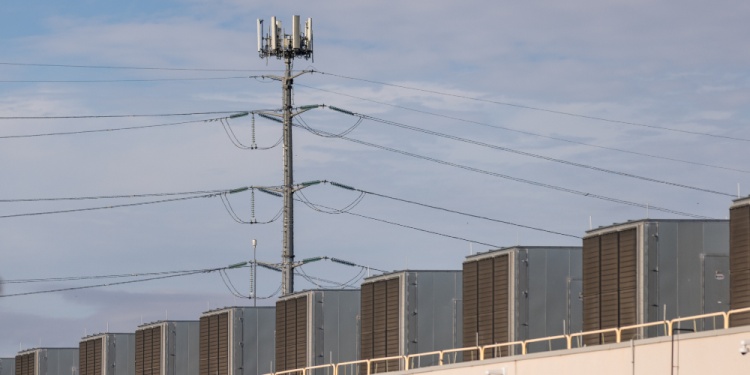
Data centers that aren’t purpose-built, for example, retrofitted offices or mixed-use buildings, are particularly vulnerable to disruption. They now need to survive physical impact, not just hackers.
Power cuts, damaged cooling systems, or fire suppression failures can shut down entire cloud regions. A small hit to power infrastructure can knock out thousands of businesses because data centers depend on tightly linked systems like power, cooling, and networking.
Have thoughts about this topic? Others do, too. Join them in the discussion.
Now, surviving real-world disruptions is tricky because if electricity or cooling fails, servers overheat and shut down within minutes. In wartime, “cloud security” really means keeping services alive even if buildings are damaged.
Mainly a regional fallout
Will Ashford-Brown, director of strategic insights at Heligan Group and former British Army secure communications manager, warns that the next phase of cloud conflict could be disruptive even without full-scale attacks.
Ashford-Brown says the current impact is limited. While outages have hit businesses using UAE- and Bahrain-based AWS infrastructure, the fallout is largely regional.
“Firms are able to migrate their workloads away from the Gulf, to data centres in other availability zones, which provides them resilience in operation,” he says.

Check if your data was exposed
Find out if your email and related personal information have appeared in known data breaches.
But that resilience has limits, especially because the situation could change if attacks spread. “I don't see global disruption as a result of these strikes, unless more data centres are attacked further afield,” shared Ashford-Brown.
Having said that, hoping for the tracks to fade away isn’t on the agenda either.
“We are therefore likely to see more of this in the future as we become ever-more dependent on cloud infrastructure,” says Ashford-Brown, a sign of what may lie ahead.