Australia’s top spy accuses China of “high-impact” cyber sabotage
Chinese state-backed hacking groups such as Salt Typhoon and Volt Typhoon are constantly knocking on the digital doors in Australia and other Five Eyes nations, says Mike Burgess, head of the Australian Security Intelligence Organization (ASIO).
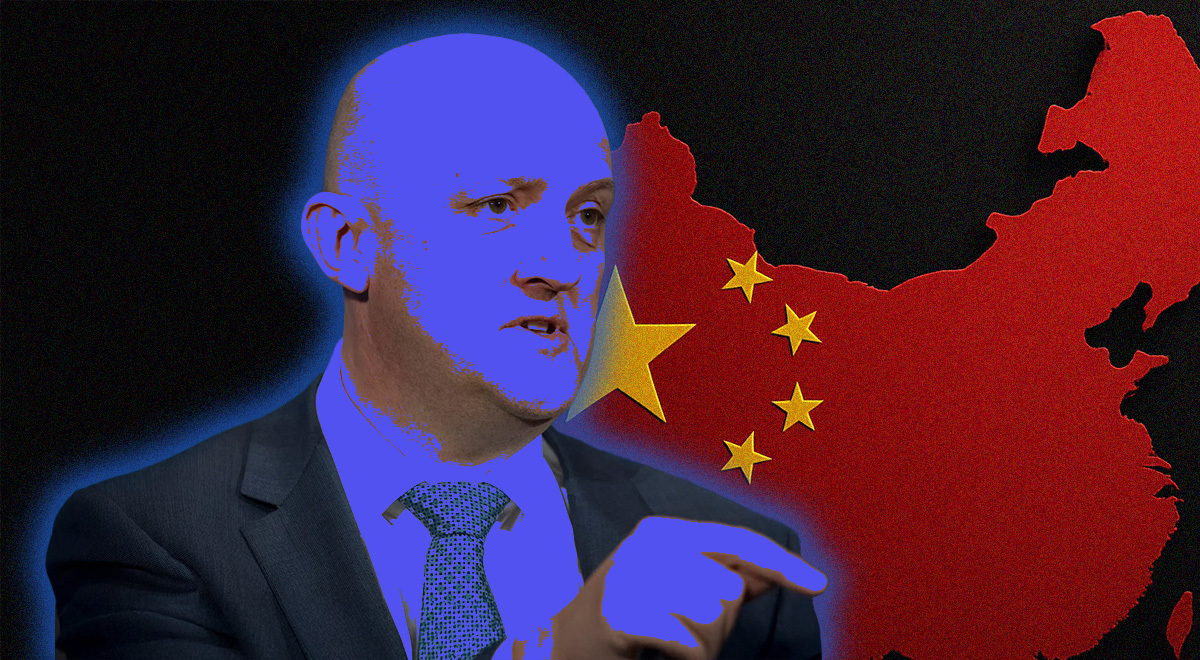
Image by Cybernews.

 Follow us
Chinese state-backed hacking groups such as Salt Typhoon and Volt Typhoon are constantly knocking on the digital doors in Australia and other Five Eyes nations, says Mike Burgess, head of the Australian Security Intelligence Organization (ASIO).
According to Burgess, who spoke at an Australian Securities and Investments Commission forum in Melbourne on Wednesday, authoritarian regimes are growing more willing to disrupt or destroy critical infrastructure, using cyber sabotage.
In a sobering speech that clearly alarmed investors and government officials in the audience, Burgess stated that Australia has never faced “so many threats at scale at once” from foreign adversaries.
“I have previously said we’re getting closer to the threshold for high-impact sabotage,” Mr Burgess said.
“Well, I regret to inform you we’re there now.”











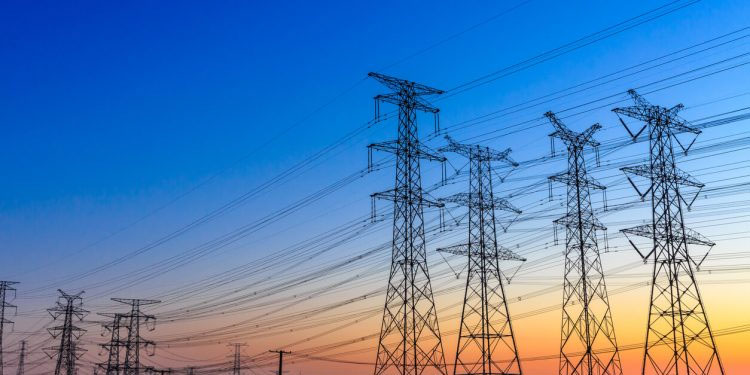
Who’s targeting Australia? Burgess was blunt: “ASIO is aware of one nation state – no prizes for guessing which one – conducting multiple attempts to scan and penetrate critical infrastructure in Australia and other Five Eyes countries, targeting water, transport, telecommunications, and energy networks.”
He also called the security environment complex, challenging, and more degraded because “of the depths authoritarian regimes are more willing to go to: they are behaving more aggressively, more recklessly, more dangerously, more willing to engage in what we call ‘high harm’ activities.”
To illustrate his point, Burgess mentioned the Salt Typhoon and Volt Typhoon hacking groups, which he described as “hackers working for Chinese government intelligence and their military” that have already been seen probing Australia’s critical infrastructure.
Burgess said Salt Typhoon had not only penetrated US telecoms systems in a strategic spying operation but also had “been probing our telecommunication networks here in Australia too.”
Volt Typhoon had an intention to disrupt operations, he said, and compromised US critical infrastructure to pre-position for potential sabotage.
To Burgess, that’s extremely dangerous. Earlier this year, an Optus outage resulted in customers not being able to call emergency services for 14 hours, and four people died after trying to seek help.
“That’s one phone network not working for less than one day,” Burgess said.
“Imagine the implications if a nation-state took down all the networks? Or turned off the power during a heatwave? Or polluted our drinking water? Or crippled our financial system?”
Once access is gained – the network is penetrated – what happens next is a matter of intent, not capability. I do not think we – and I mean all of us – truly appreciate how disruptive, how devastating, this could be.Mike Burgess.
“I assure you these are not hypotheticals – foreign governments have elite teams investigating these possibilities right now,” he added.
“ASIO has seen Chinese hackers probing our critical infrastructure as well. And once access is gained – the network is penetrated – what happens next is a matter of intent, not capability. I do not think we – and I mean all of us – truly appreciate how disruptive, how devastating, this could be.”
In Beijing, a foreign ministry spokesperson said Burgess’s remarks “spread false narratives and deliberately provoked confrontation.”
Burgess said last week during a speech in Sydney that Chinese officials complain about him every time he speaks publicly about China: “It won’t stop my resolve.”
Unlock more exclusive Cybernews content on YouTube.