Grok's security blind spot exposed users and Musk's company secrets
Thousands of Grok-built apps exposed private data. SpaceXSI was doxxed too. b
Grok logo with flares. By Nur Photo/Getty Images.

 Follow us
- Claroc found 35,578 active Grok-built apps publicly accessible without sign-in.
- Some apps exposed hospital data, employee passwords, campaign dashboards, and internal corporate documents.
- At least 24 exposed apps came from SpaceXSI and X employees, and SpaceXSI removed them after reports.
- Researchers advise companies to audit AI app-building tools and add safeguards against data leaks.
Key Takeaways by nexos.ai, reviewed by Cybernews staff.
More than 35,000 apps created with Elon Musk's AI assistant Grok were accessible to anyone on the internet, exposing corporate secrets and sensitive personal data, security researchers find.
Security researchers have released findings that should worry anyone who has ever pasted sensitive information into an AI tool.
Developers of Musk’s AI assistant Grok have been promoting features that enable users to generate functional apps and landing pages directly from the AI model. While the exact number of Grok-created apps in the wild remains unannounced, estimates suggest there could be over 40,000.
While AI-generated apps offer an easy way to create software, they also introduce security blind spots that users may not be aware of.





Claroc researchers examined 43,551 web addresses under the grok.me domain. The investigation revealed that 35,578 out of 37,571 active apps built with Grok were publicly accessible via their web addresses without requiring users to sign in.
“We were shocked. The company that makes Grok had its own internal material open to anyone holding the link, and we had never been given it,” researchers said.
“Last month it was Meta’s Muse. This time it is the apps people make by describing them to Grok and publish from the same chat window.”
The investigation found that approximately one in 10 publicly accessible applications contained sensitive personal information or internal business data.
Among the exposed – SpaceXSI and X employees
Elon Musk’s own companies were not spared from the massive data exposure caused by their technology.
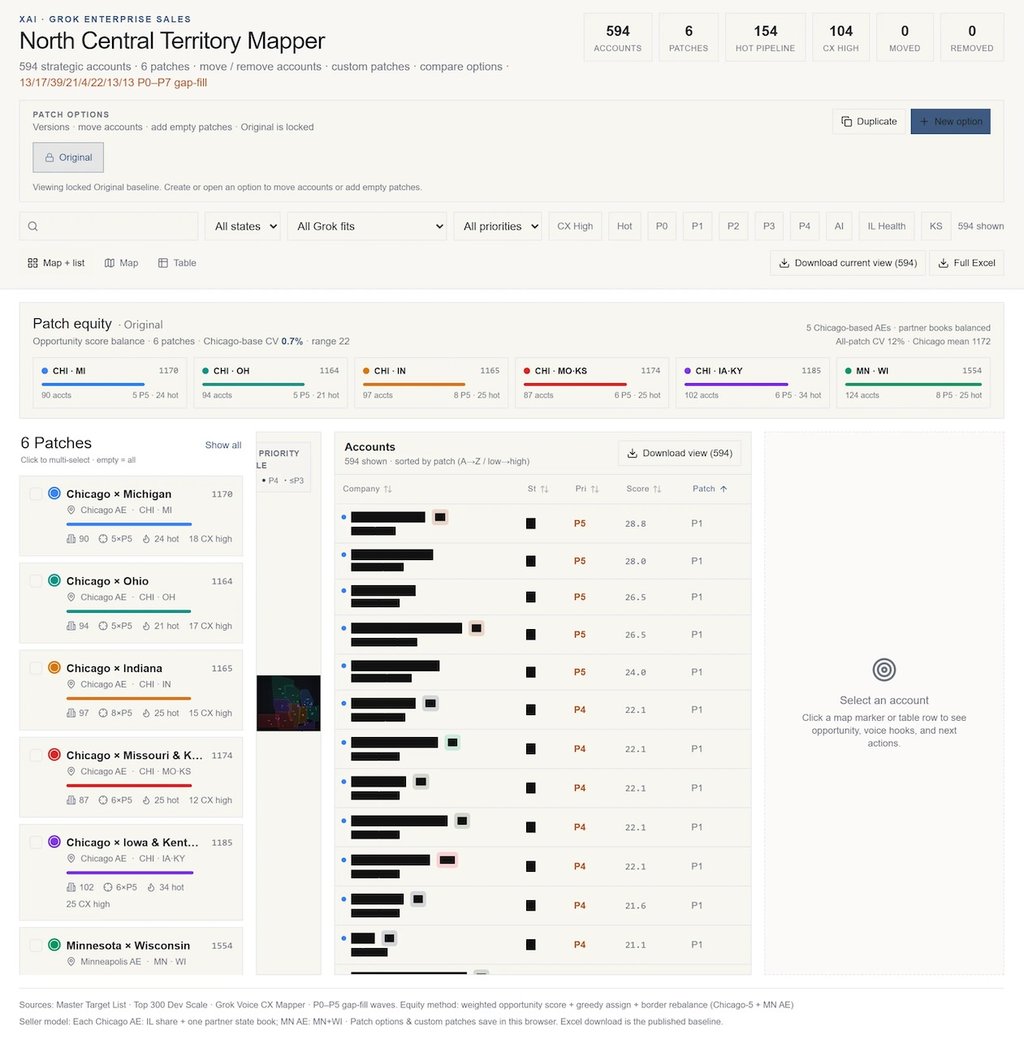
At least 24 exposed applications were created by employees of SpaceXSI and its social media platform X.
According to researchers, the applications exposed confidential corporate data from Musk’s companies. Leaked files included an onboarding plan for a new enterprise sales hire, an internal map of 594 strategic accounts, eight advertising proposals, and several media plans.
One proposal was addressed to a US federal agency and was marked confidential.
The researchers also found four live advertiser dashboards showing how much campaigns were spending. One of them tracked progress toward a $1.6 million sales target. Anyone who had the link could track those business numbers.Seven campaign reports covering advertisers in Brazil, Japan, South Korea, and Thailand were also accessible to were open to the public too.
The file list also included a contest page naming staff members and copies of an internal X brand safety playbook.


Stay updated with our latest stories and follow us on social media
Be the first to discover new stories, ideas, and updates from our team.
SpaceXSI fixes the flaw
Claroc reported the findings to SpaceXSI on November 8th and November 9th. Following the reports, the company took down all 24 applications created by its employees.
However, researchers noted that SpaceXSI has not taken similar action to secure exposed applications belonging to other Grok users and organizations.
In response to the investigation, SpaceXSI said Grok applications remain private until their creators explicitly choose to share them.
The company outlined a publishing workflow where creators choose their app's privacy settings. According to SpaceXSI, when selecting “Publish,” users can choose between “Only you” and “Anyone with the link.”
Hospital records and employee passwords exposed
However, SpaceXSI and X are not the only entities affected. The investigation identified 30 other organizations whose internal information was exposed through publicly available Grok applications.
While researchers have not released the full list of affected companies, they stated that several belong to the Fortune 500 and employ over 1,000 people.
The exposed applications contained a treasure trove of personal data. Researchers discovered a hospital group's event application containing a searchable roster of more than 3,500 employees.
Another app held an intensive care briefing for one patient, with lab results, imaging, and ventilator status. Anyone with the link could read it.
A cruise ship inspection checklist was also exposed, listing crew members by full name and employee ID number. Elsewhere, a fire department's live shift board displayed firefighters' names, badge numbers, and working hours.
One particularly concerning discovery involved a contractor's employee timesheet application. Plain-text passwords and login credentials for 18 employees, including administrators, were embedded directly in the app's code, allowing anyone who found them to log in under those accounts.
AI-generated apps are creating security issues
Tools like Grok allow individuals to build functional applications simply by describing their ideas to an AI assistant. This significantly lowers the barrier to entry, enabling people to create software without any prior coding experience.
While this democratization makes software development far more accessible, it also allows employees to build and publish applications without oversight from their organization's IT or security teams.
Claroc researchers advise organizations to audit which AI app-building platforms their employees are using and implement safeguards to prevent potential data leakage.