Hawaii asks residents to surveil roads, but what about citizens’ privacy?
Hawaii has developed a method to monitor the state of its roads by providing its citizens with a tool that allows them to capture road conditions.
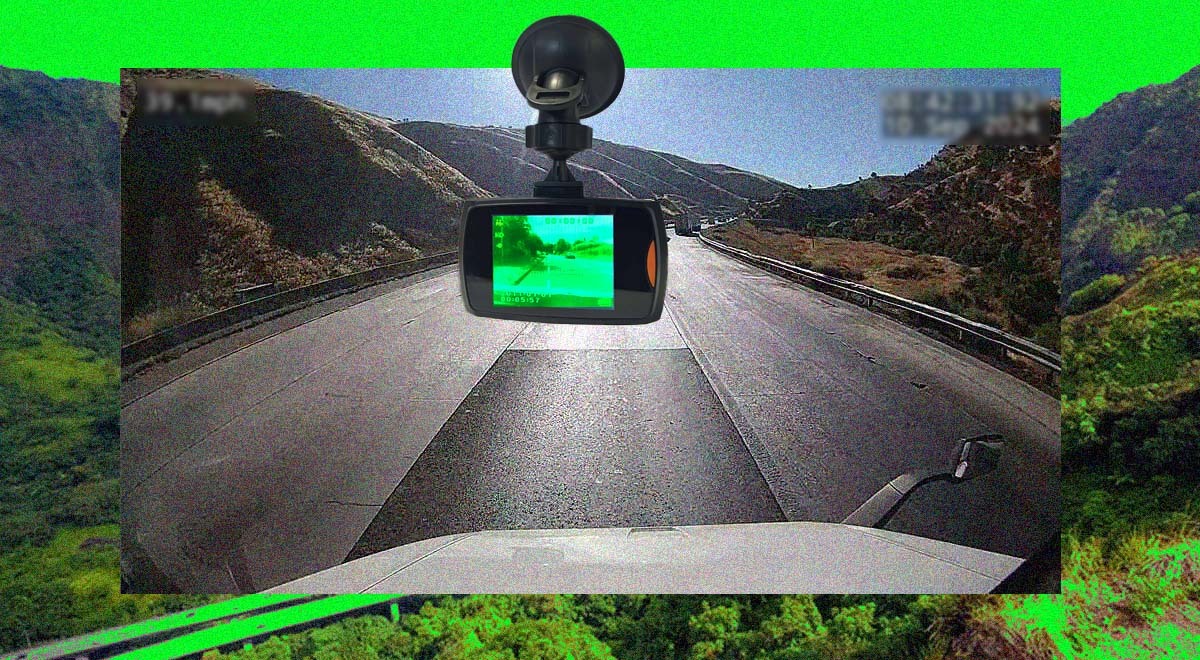
Image by Cybernews

 Follow us
Hawaii has developed a method to monitor the state of its roads by providing its citizens with a tool that allows them to capture road conditions.
- Hawaii has launched the “Hawaii Eyes on the Road” program to help monitor and maintain road conditions.
- The program provides 1,000 free dash cams to Hawaii residents to capture video of road conditions as they drive.
- Drivers can also use the dash cams to report reckless driving, road rage, and other dangerous behaviors to local authorities via an app.
- To address privacy concerns, the program states that cameras record only the road ahead (no in-car view or audio), and automatically blur faces and license plates.
Key Takeaways by nexos.ai, reviewed by Cybernews staff.
Hawaii is facing what could be considered a global issue – the timely upkeep of its roads, which thousands of vehicles drive on every day.
Heavy road use creates various issues that, if not addressed in a timely manner, may pose safety concerns.
Regarding Hawaii’s road safety, its Department of Transportation (DOT) revealed that it doesn’t have enough teams to go around and check road conditions. Not only that, it also lacks law enforcement that can check the roads for reckless drivers.





That's why Hawaii DOT, in collaboration with the University of Hawaii and Blyncsy, a company that utilizes AI to automate roadway maintenance, has launched a program to tackle this issue.
The collaboration, known as the “Hawaii Eyes on the Road program,” provides free dash cams to residents who drive on Hawaii's roads to monitor their condition.






How does the program work?
The program provides 1,000 Nextbase dash cams to Hawaii residents, allowing them to record what’s happening while they drive.
This data, which is video footage sent as still images, is analyzed by Blyncsy’s artificial intelligence and machine learning algorithms, and then sent to the Hawaii DOT if any issues are detected.
The organization reports that these issues include potholes and pavement cracking, damaged guardrails, faded road markings, plants obscuring signs, debris on the road, and active work zones.
The dash cam can also be used to report cases of reckless driving, road rage, or any other dangerous behavior. Users can submit such videos to the local authorities via an app.
User privacy while using the dash cam
When it comes to user privacy, the program, which can only be joined by official residents of Hawaii, states that the camera “only records a front-facing view of the road through your windshield. There is no car-facing camera and no audio recording.”
The camera also blurs other people’s faces and licence plates automatically, similarly to how it’s done with Google Street View.
The program also states that “all camera data is anonymized and aggregated so there is no way to track individual cameras and their locations.”
Although the dash cameras are provided free of charge, users can keep them as long as they’re willing to participate in the program. Once the user decides they no longer want to be in the program, they must return the camera to the Hawaii DOT.
FAQ about “the Hawaii Eyes on the Road” program
What’s the "Hawaii Eyes on the Road” program?
The program focuses on road safety by providing drivers with free dash cams to monitor the roads on their journeys.
Who can participate in the "Hawaii Eyes on the Road” program?
The program is only available for current Hawaii residents.
How to join the "Hawaii Eyes on the Road” program?
Interested residents will be considered after submitting a form, and they’ll be contacted if selected.
What about user privacy?
The program states that “there is no audio recording on these dash cameras, and the only functioning camera is aimed outward to capture the road in front of you.”
What to do if you no longer want to participate in the "Hawaii Eyes on the Road” program?
Users are asked to return the dash cam to their local Hawaii DOT field office.
Unlock more exclusive Cybernews content on YouTube.