Baseus PrimeTrip VD1 Pro review: How useful is a solar-powered dash cam?
As winter approaches in all its glory, with a possible increase in car accidents during the dark season in Europe, I decided that maybe now is the right time to upgrade my dash camera.
Image by Cybernews

 Follow us
As winter approaches in all its glory, with a possible increase in car accidents during the dark season in Europe, I decided that maybe now is the right time to upgrade my dash camera.
This year, with the first snow, I also witnessed its first victims – two crashed cars. My boyfriend’s first words were, “It’s good that they have a dash cam.”
This got me thinking that if you have ever lived in an apartment building that doesn’t have assigned parking spaces, or worked in an office that has limited parking capacity, you already know that the chances of you coming to your car to find its windshield wipers lifted up, your car being scratched, or someone waiting for you to explain that you’ve been parking in “their spot” are quite high.
One way to prevent these “parking wars” to some extent and generally feel safer on the road is to own a dash cam.
While I don’t have much experience with dash cams, having previously used the good old Garmin to record any possible crashes, I decided to try out the Baseus PrimeTrip VD1 Pro dash cam, as it includes not one, but two cameras (front and rear), and can be used “cable-free,” since it has a solar panel. And all this comes for $180, which sounds like a steal. But is it?





Setting up the Baseus PrimeTrip VD1 Pro dash cam
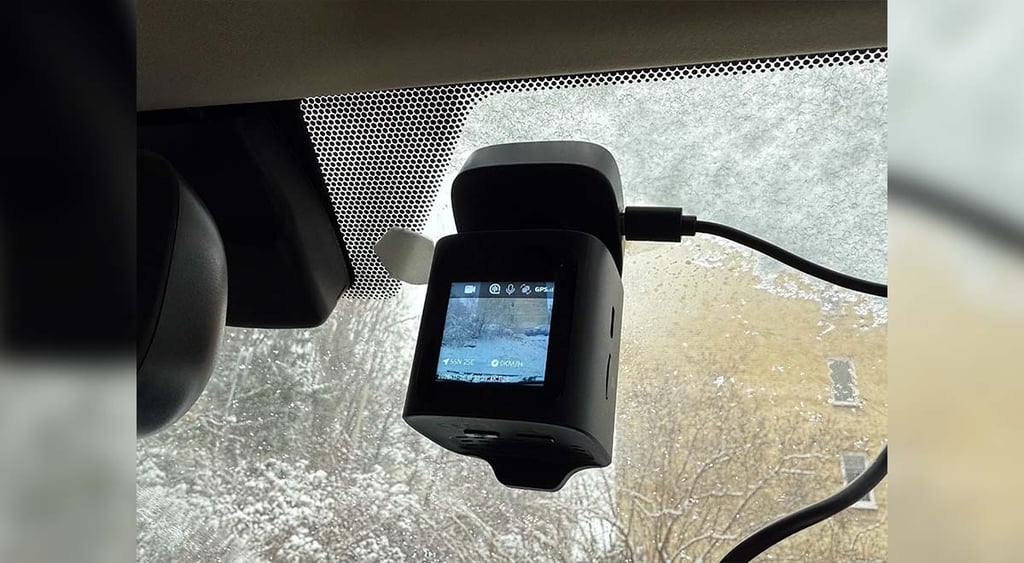
I must admit that I’m not too keen on setting up devices that include multiple wires, so I was already tempted by the fact that the dash cam supports wireless use. However, I soon learned that wasn’t entirely the case. Nevertheless, the hardware setup didn’t take me that long.
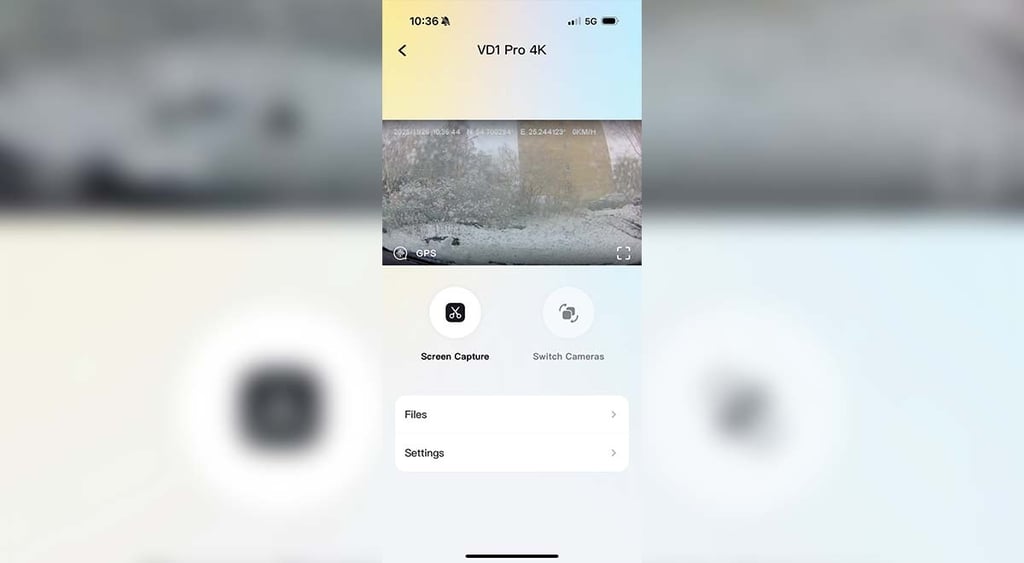
It was connecting the device to the app that took longer than anticipated, as it would connect to my phone via WiFi but somehow lose the connection, requiring me to repeat the setup multiple times until I was successfully connected.
When reviewing the Huion Kamvas Slate 13, I discovered that one of my recent unboxing joys is receiving the accessories too, so I can use the device as soon as possible, without having to make additional purchases.
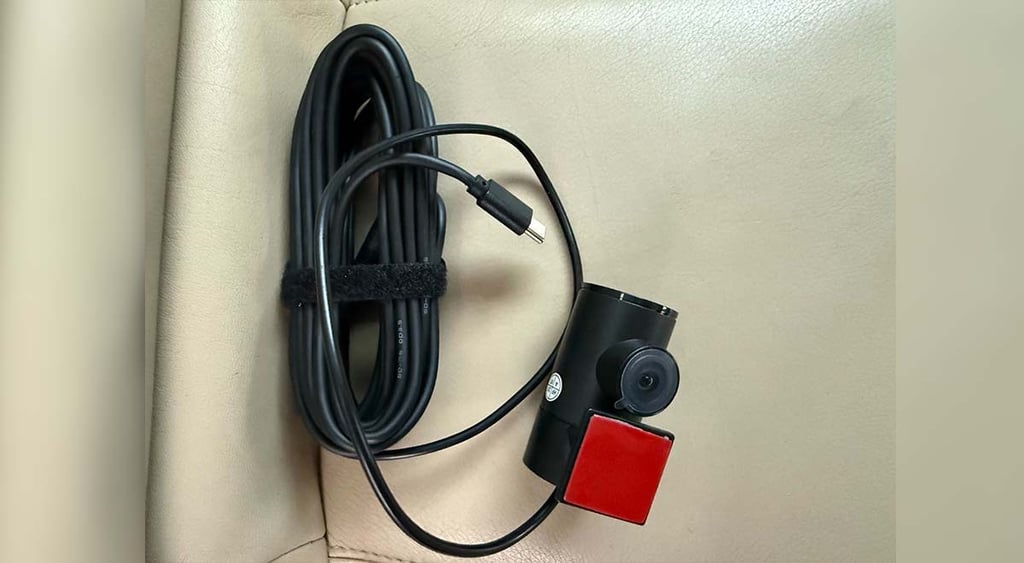
I was glad that the dash cam’s packaging included everything I needed to get started: front and rear dash cameras, wires, and even a 32GB memory card, which is usually purchased separately.
Is the Baseus PrimeTrip VD1 Pro dash cam wireless?
The dash cam, which includes a lithium battery, can also be used “cable-free” since it’s equipped with a solar panel, says the ad. While my initial thought was that the device could be powered either by being plugged into the car or by running on solar energy, this wasn’t entirely the case.
The dash cam uses solar power only when in “parking mode.” This isn’t the worst, considering that it still works when the car is off, possibly registering what’s going on in the surrounding area when the driver is not there.
Why am I stating “possibly?” It’s because, in my case, I didn’t get to use the solar-power mode at all, as I live in a capital where we received only five hours of sun throughout the whole of January this year.
So, I kinda knew I was doomed when I read a Reddit discussion, where a user shared that “the solar panel is a gimmick, too tiny to really matter – in the Arizona desert under the blazing sun it might top up the battery.”
Nevertheless, when it comes to solar energy, what I learned as someone who lives in an area where sunny weather is a rarity and not the norm, having a solar-powered device may not be the most reliable choice.
Additionally, if you’re not a fan of wires, Baseus’s dash cam may not be your first choice, as it requires plugging in.
The quality of the Baseus PrimeTrip VD1 Pro dash cam
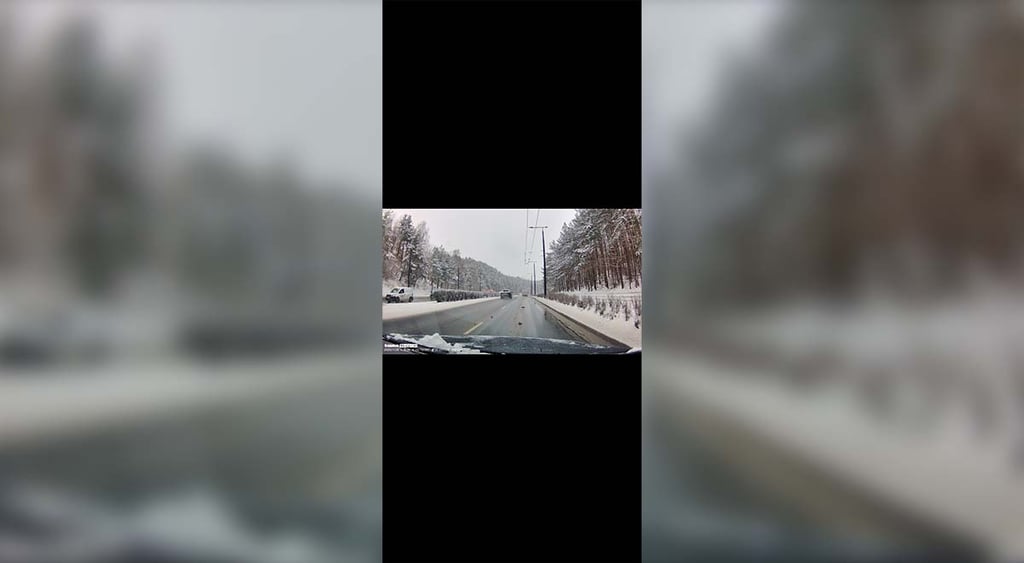
One of the most important features of a dash cam is its video quality. The Baseus dash cam comes with a 4K resolution front camera and a 1080p resolution rear camera.
While the front camera provided a better resolution display than, let’s say, my first-generation Garmin Dash Cam Mini, when it comes to field of view, Garmin provides a wider view, despite both dash cams having a 140-degree field of view.
Baseus PrimeTrip VD1 Pro dash cam: Is it worth it?
Installing a dash cam can help drivers avoid unpleasant and potentially dangerous situations and potentially save them money in the future.
When purchasing the $180 dash cam, which can be found for even less with upcoming Black Friday deals, users will receive two cameras and a 32GB memory card.
This might sound like a solid deal, considering that mid-range, higher-quality cameras cost from $80 to $200, but may not include the same add-ons as the Baseus dash cam.
However, one of the advertised selling points of this particular dash cam is that it can be powered by solar energy, so it doesn’t require a plug-in power source. However, that isn’t entirely true, as the Baseus dash cam can only film wirelessly when in parking mode.
Even if that’s enough, using such a device would make more sense in sunnier places than Eastern Europe or the Nordic countries.






Baseus PrimeTrip VD1 Pro dash cam pros and cons
Pros:
- Comes with two cameras, front and rear, as well as add-ons like a memory card.
- A good price-for-quality ratio.
- Easy setup.
- High-quality view.
Cons:
- It isn’t entirely wireless.
- Solar-powered only in parking mode.
- Sometimes it lags when connecting to the app.
Unlock more exclusive Cybernews content on YouTube.