Infected 4G/5G routers secretly send SMS messages and drain accounts
Inserting a SIM card into a router can lead to unexpected and costly consequences, as one Estonian user recently discovered.
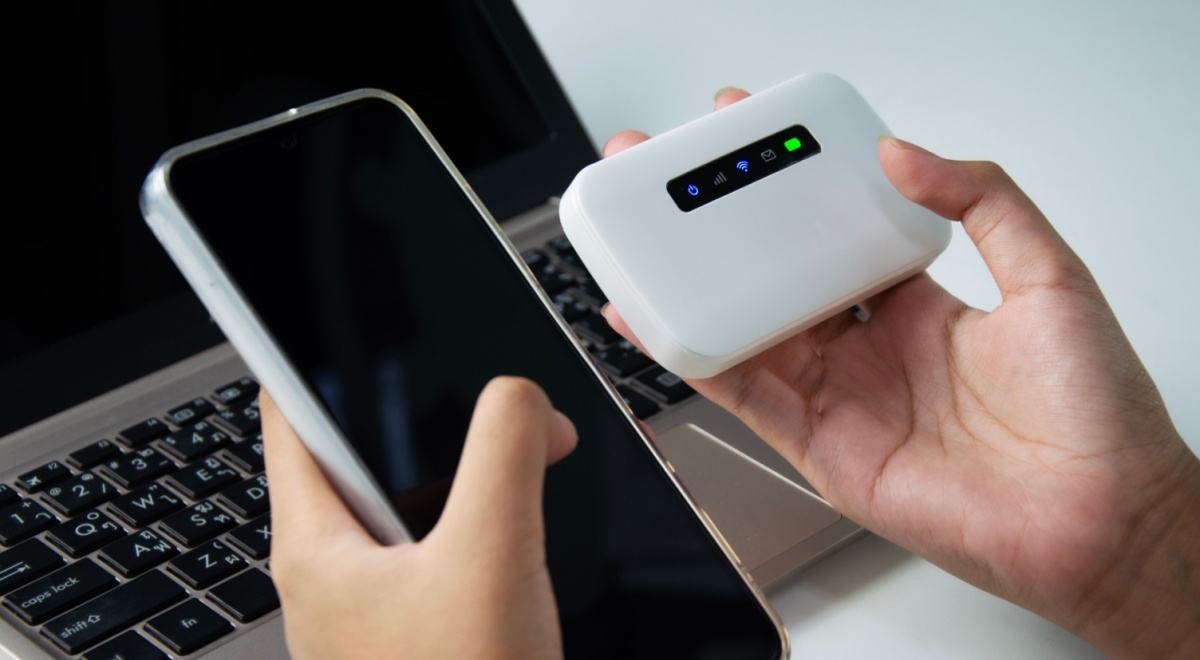
Image by Shutterstock.

 Follow us
Inserting a SIM card into a router can lead to unexpected and costly consequences, as one Estonian user recently discovered.
Compromised mobile hotspot routers, which often offer 4G, LTE, or 5G connectivity, can become a huge headache.
A customer in Estonia received nearly €1,000 ($1,100) in bills after their router sent over 10,000 SMS messages to various foreign countries in just a few days, digi.genius.ee reports.
The router contained malware, but it was unclear how it was infected. The device was produced in Russia. It’s difficult to determine how it was infected when a device is acquired from an unknown source and abroad.
Many users aren’t even aware that routers can send SMS. This is often used for alerts or notifications. However, malware can also abuse this functionality and cause additional charges.






Typically, data-only hotspot plans are designed primarily for data, with SMS and voice functionality disabled or limited. However, some carriers do not disable these features. Users may also insert SIM cards with plans that include SMS or voice services, potentially leading to unexpected charges.
Additionally, hotspot plans are restricted to certain data limits, and malware can easily exhaust the gigabytes.
Users can disable the SMS functionality in the router. However, if they no longer control the device, this will not help.




Experts warn that many low-cost off-brand routers with cellular connectivity can be exploited to send fraudulent messages, drain accounts, and serve as gateways for further cyberattacks.
Multiple incidents in the past, including ones in the US, have demonstrated that compromised routers, infected through default credentials or outdated firmware, are being included in botnets that abuse built-in SMS capabilities to generate fraudulent fees.
One botnet exploited a flaw in TP-Link MR6400 routers to run an SMS messaging-as-a-service scheme, as reported by The Record.
Cybersecurity researchers have also discussed vulnerabilities in mobile routers. Attackers can exploit exposed administration panels using brute force and phishing attacks.
To protect your router, make sure it is supported by a reputable vendor, regularly update its firmware, and disable the public-facing web panel. Make sure no ports are open, change the default passwords, reboot the device periodically, and review your service plan for potential extra charges.