Smart glasses pose “widespread surveillance” threat, French DPA warns
The CNIL, France’s data protection authority (DPA), has raised concerns about the growing privacy risks linked to smart glasses and other AI-powered wearable devices. With smart glasses, unlike smartphones, people are unable to tell when they’re being filmed, thus turning everyday interactions into criminal recordings without consent.
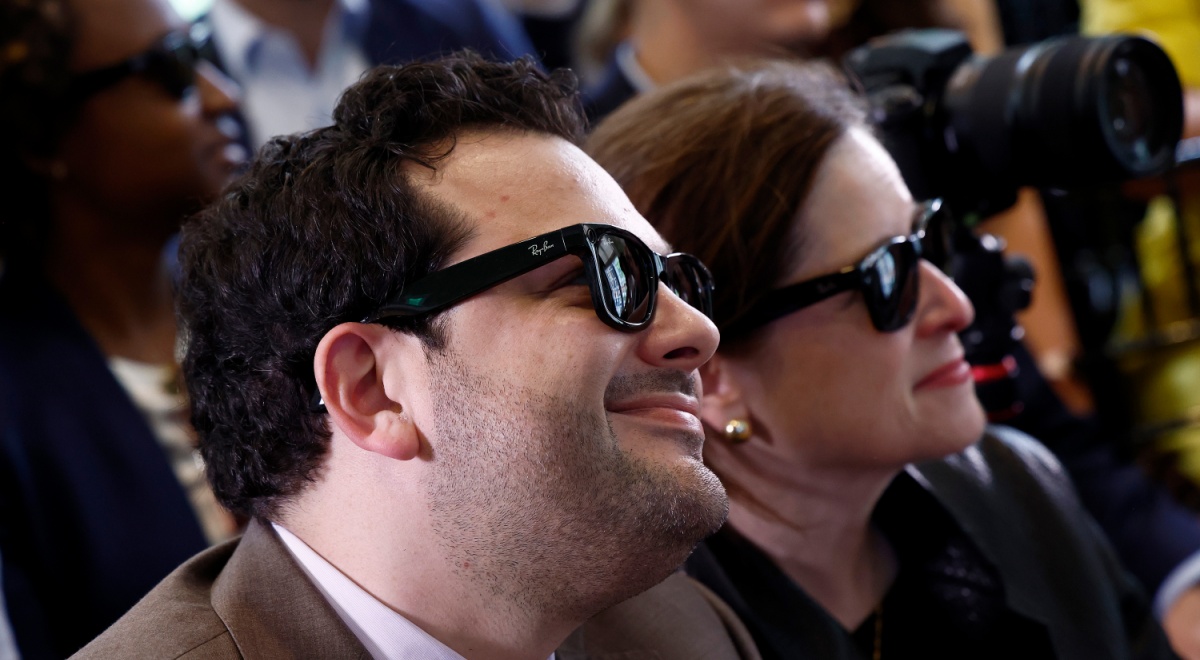
People wear Meta Ray-Ban Smart Glasses. Photo by Paul Morigi/Getty /Washington AI Network.

 Follow us
The CNIL, France’s data protection authority (DPA), has raised concerns about the growing privacy risks linked to smart glasses and other AI-powered wearable devices. With smart glasses, unlike smartphones, people are unable to tell when they’re being filmed, thus turning everyday interactions into criminal recordings without consent.
Thanks to all its features, smart glasses are becoming everyday objects. You can ask all kinds of general questions, such as ‘what is the weather like today?’ and also submit specific tasks like ‘translate this text for me’ or ‘take a picture.’
In addition, smart glasses can record videos, identify objects, have conversations with AI chatbots, and even analyze our surroundings in real time. This creates new privacy challenges, the CNIL argues.
The regulator warns that connected glasses could enable widespread surveillance and lead to widespread self-censorship. The privacy and data protection authority is particularly concerned that smart glasses process a lot of personal data.












“Their use is, in principle, subject to the GDPR and the Data Protection Act. Beyond this legal framework, these glasses raise broader risks for privacy, as well as important ethical and societal issues which go beyond the sole framework of intervention of the CNIL,” the supervisor cites.
For example, when somebody is holding a smartphone, people can see they’re being filmed. When someone is wearing smart glasses, this is far less noticeable, making them particularly intrusive.
The CNIL also points to broader societal consequences. If people think they’re constantly being recorded, it could change how we behave in public, directly threatening our individual freedoms. Similar concerns have already emerged around surveillance cameras and biometric technologies in public spaces.
Because of these risks, the regulator calls for reinforced collective vigilance.
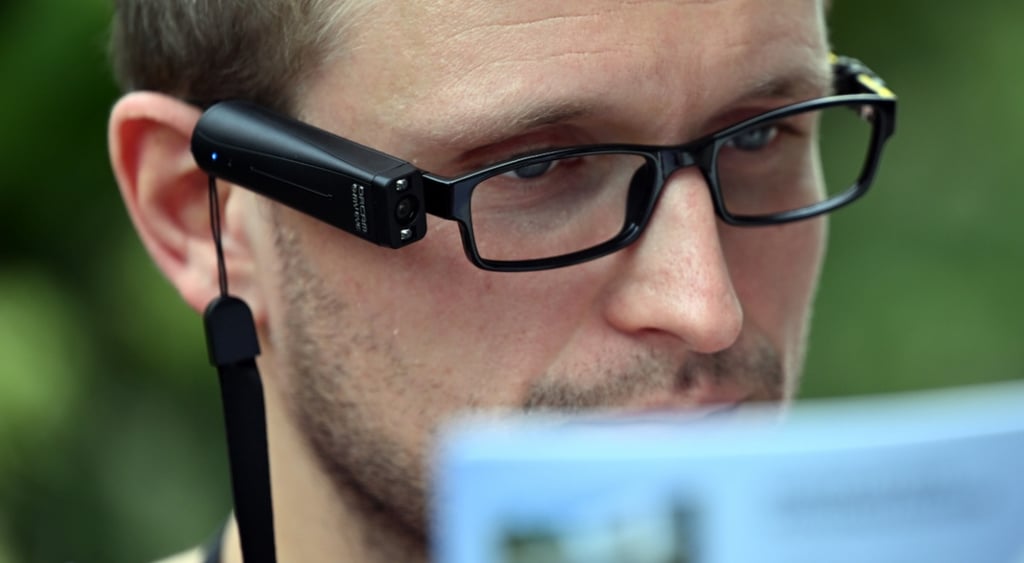
“If the promoters of these systems highlight their usefulness, particularly for people with disabilities (visual or hearing aids) as well as their contributions in terms of translation, the fact remains that their deployment must not be done to the detriment of everyone’s rights and freedoms. It is necessary to preserve a balance between innovation and respect for freedoms, between technical curiosity and consideration of others,” the privacy watchdog explains.
Given the importance of the legal, ethical, and societal issues raised by smart glasses, the CNIL is calling for stronger safeguards, greater transparency, and clearer rules on how data collected by smart glasses can be used and stored.
Therefore, the French data protection authority will investigate the legal and technical issues surrounding smart glasses with other European privacy supervisors.
Unlock more exclusive Cybernews content on YouTube.