US surveillance, election cybersecurity — and why Tulsi Gabbard’s name just keeps on cropping up
A series of incidents involving federal surveillance practices, intelligence oversight, and election-security investigations are converging as early issues ahead of the United States’ 2026 midterm elections. And one name just keeps on being mentioned..

Image by Cybernews

 Follow us
A series of incidents involving federal surveillance practices, intelligence oversight, and election-security investigations are converging as early issues ahead of the United States’ 2026 midterm elections. And one name just keeps on being mentioned.
Earlier this week, a US senator publicly warned about the expanding use of personal data by federal authorities while separately sending a brief, private letter to the director of the CIA.
In a video posted on Instagram, and intended to reach a wide audience, Ross Wyden pointed to the US Immigration and Customs Enforcement (ICE) practice of using surveillance technologies and data sources in enforcement activity.
“ICE is using apps to collect biometric data on protesters,” he warned. “That means that they can track your location, where you go, what you do, and especially who you talk to.”






Wyden also said the agency is purchasing location information from commercial data brokers and using motor-vehicle records obtained from state governments.
“My investigators have found that ICE is using government data they collect from state Departments of Motor Vehicles,” Wyden said. “They are refusing to answer any questions of ours about how this data is being used.”

Separately, it was reported that Wyden sent a short, two-sentence letter dated February 4th to CIA Director John Ratcliffe, writing to alert him of a classified letter he sent earlier "in which I express deep concern about CIA activities." The letter did not publicly describe its subject.
US lawmakers sometimes use such communications to raise concerns with intelligence agencies without disclosing classified information.
Reading between the lines, The Hill suggests that the missive could be connected to Wyden’s long-term opposition to the Patriot Act, which gives the intelligence community power to collect telephone data from US server providers.
But the senior Democratic senator from Oregon could also be addressing a complaint filed with the inspector general’s office accusing US Director of National Intelligence Tulsi Gabbard of withholding access to classified information for political reasons.
Who is Tulsi Gabbard?
Often referred to as “Trump’s spy chief,” Gabbard’s role officially centers on national security and foreign intelligence.
However, her recent actions have heavily involved domestic, politically charged investigations.
On Wednesday, Reuters reported that a team working for Gabbard last year investigated electronic voting machines in Puerto Rico with assistance from the FBI.
The probe examined possible cyber vulnerabilities and claims of foreign interference but did not find clear evidence that Venezuela or other actors had hacked the system.
Gabbard’s office said the seizure of machines and data was part of standard forensic analysis and warned of cybersecurity risks to election infrastructure.
FBI’s “2020 election conspiracy” investigation in Georgia
Details of the Puerto Rico investigation followed other election-related law-enforcement activity, including an FBI operation in Georgia last week, connected to an election facility in Fulton County, which sought and obtained sensitive voting records related to the 2020 election.
The move is thought to be part of Trump’s campaign to discredit the 2020 election results by investigating the voting records from Fulton County, Georgia, a swing state that voted for the Democrats in 2020.
Gabbard was pictured on the site of the raid, later stating she did so “at the request of the President,” raising questions about the involvement of a national intelligence official in a domestic law enforcement action.
Experts see little legal basis for last week’s raids – three of the justice department’s nearly two dozen lawsuits have already been dismissed by courts – but say it is part of an effort to weaken confidence in election results.
For her part, Gabbard claims that election security is essential for the integrity of the US democracy and security and that she has a vital role in identifying vulnerabilities in the nation’s critical infrastructure and protecting against exploitation.
“We know through intelligence and public reporting that electronic voting systems have been and are vulnerable to exploitation. President Trump’s directive to secure our elections was clear, and DNI Gabbard has and will continue to take actions within her authorities, alongside our interagency partners, to support ensuring the integrity of our elections,” a Spokesperson for Gabbard told the Wall Street Journal on Thursday.
US mid-terms: Surveillance, Intelligence, and Election security
Together, the developments place three issues — surveillance powers, intelligence oversight, and election security — at the center of early policy positioning before the 2026 midterm elections.
Midterm elections this November will determine which party controls the US Congress and often elevate disputes over government authority, civil liberties, and national security.
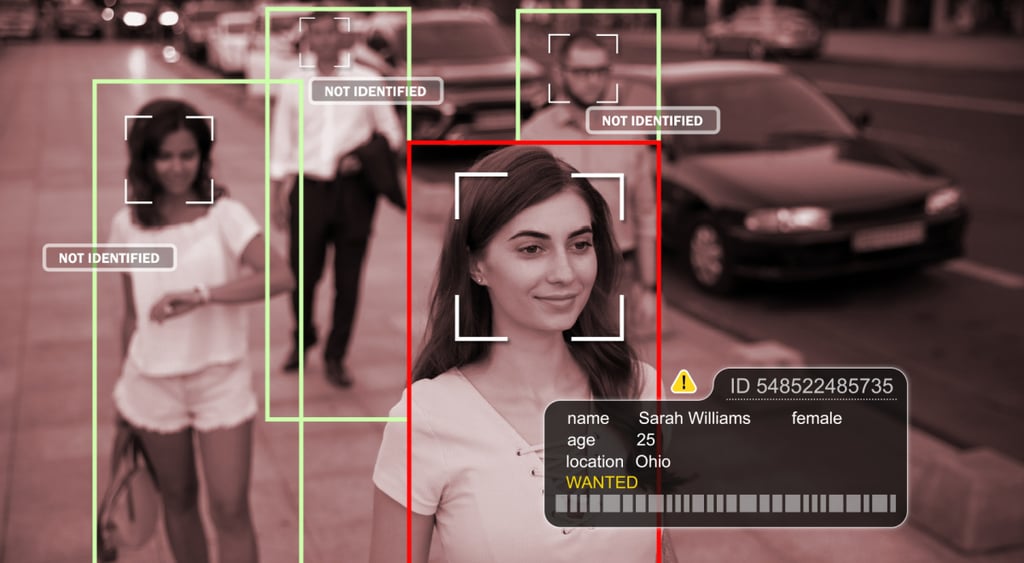
Lawmakers from both parties have argued that advances in biometric technology, commercial data collection, and digital forensics are expanding the government’s ability to gather information about individuals, while legal safeguards and oversight mechanisms have evolved more slowly.
At the same time, intelligence and law enforcement agencies have increased focus on election cybersecurity following years of warnings about foreign interference and vulnerabilities in voting systems.
As the midterms approach, these issues are expected to impact legislative agendas and campaign messaging, particularly around privacy protections, the role of federal agencies in domestic matters, and public trust in election systems.