Over 1 million credit cards stolen in attack spanning 20 countries
Attackers exploited an old Windows bug to infect over 700 point-of-sale terminals.

Over a million credit card records were stolen. Image by Cybernews.

 Follow us
- Attackers infected over 700 POS terminals across 20+ countries, stealing at least one million unique credit and debit card records.
- The malware exploited CVE-2024-49138, a Windows CLFS privilege escalation flaw Microsoft patched in December 2024.
- An exposed attacker server revealed malware source code, exploit tools, and a carding panel storing stolen Primary Account Numbers.
- Most infected terminals were in Brazil, where unpatched, outdated Windows software left retailers and cardholders exposed to fraud.
Key Takeaways by nexos.ai, reviewed by Cybernews staff.
An attacker left an exposed server where our team discovered source code and stolen data from a cyberattack targeting over 700 point-of-sale (POS) terminals across more than 20 countries. The attack resulted in the theft of at least one million unique credit and debit card records.
The exposed server contained complete attack infrastructure, including malware source code, exploitation tools, and a carding panel named “VINY JUNIOR TRILHAS” storing the exfiltrated payment card data.
Attackers infected POS terminals with a remote access trojan (RAT) that exploited a high-severity Windows privilege escalation vulnerability patched nearly two years ago. The compromised systems were running software that hadn't been updated in at least one year and nine months as of the August 2026 discovery.
The majority of affected terminals were located in Brazil, with the threat actor appearing to be Brazilian based on the language used in attack reports and documentation. The team contacted CERT Brazil about the exposed data.





Exploiting unpatched Windows systems
The attack leveraged CVE-2024-49138, an elevation of privilege vulnerability in the Windows Common Log File System (CLFS) driver. This vulnerability is classified as LPE (Local Privilege Escalation) as it requires initial access to an unprivileged local user and can be used to execute code as a privileged user.
The vulnerability affected multiple versions of Windows operating systems and Windows Server. Microsoft patched the flaw in December 2024, meaning every compromised POS terminal in this attack was running critically outdated software for nearly two years.
According to the source code files found on the attacker's server, the exploit was written based on publicly available proof-of-concept code, with the original author referenced in the files. The attacker adapted the exploit specifically for POS terminal environments.
Once the malware gained system-level access through the privilege escalation vulnerability, it installed a remote access trojan that continuously harvested payment card data as transactions were processed.
What was stolen
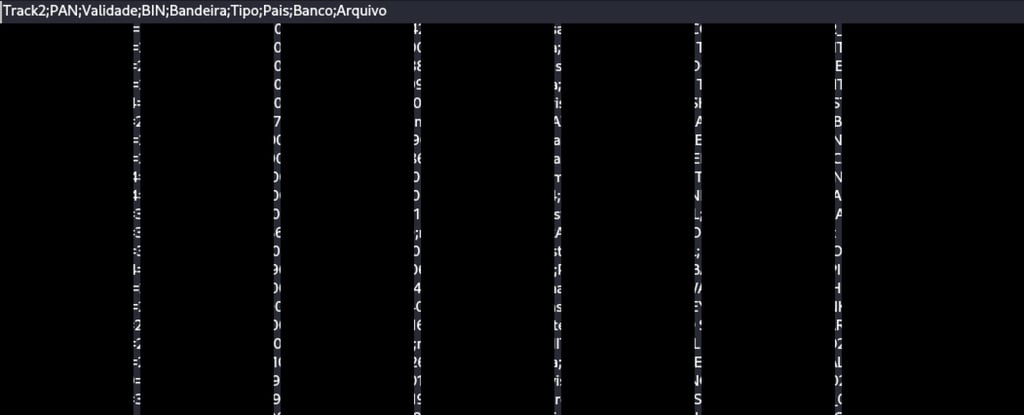
The attacker's carding panel contained:
Credit and debit card details for at least one million unique cards, including:
- Primary Account Numbers (PANs)
- Validity periods
- Bank Identification Numbers (BINs)
- Issuing countries
- Issuing banks
- Exfiltration dates
- Card types and brands
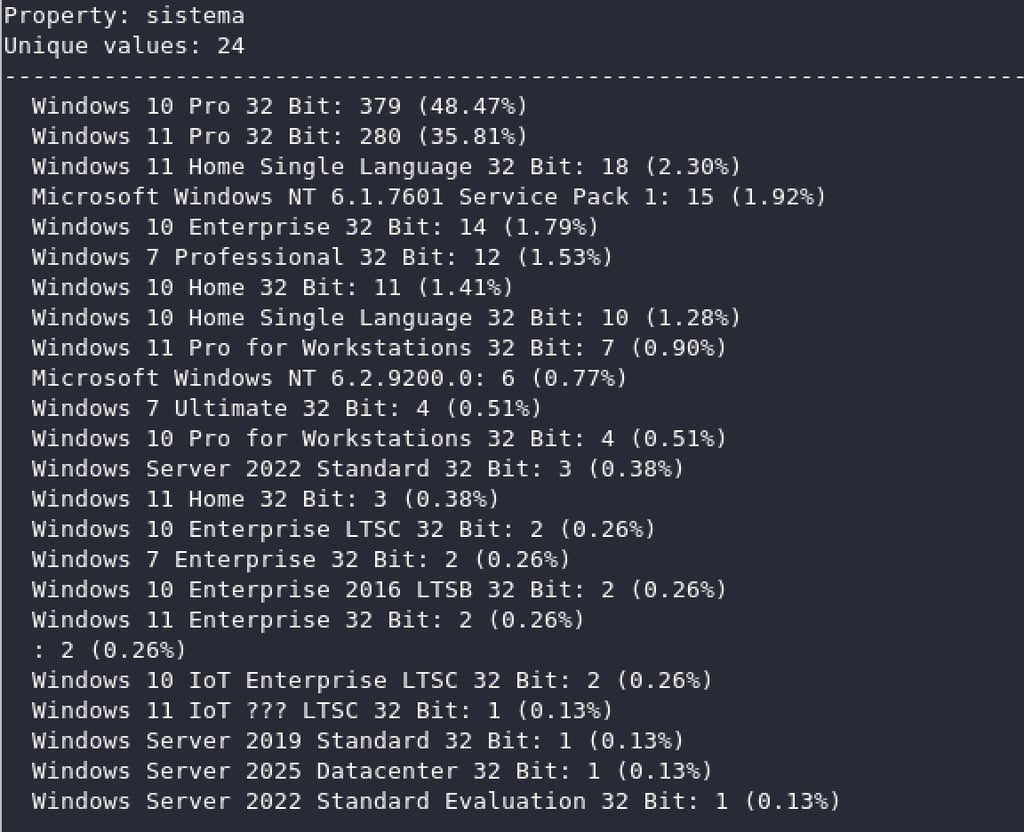
Compromised POS terminal information for 782 systems, including:
- Operating system versions
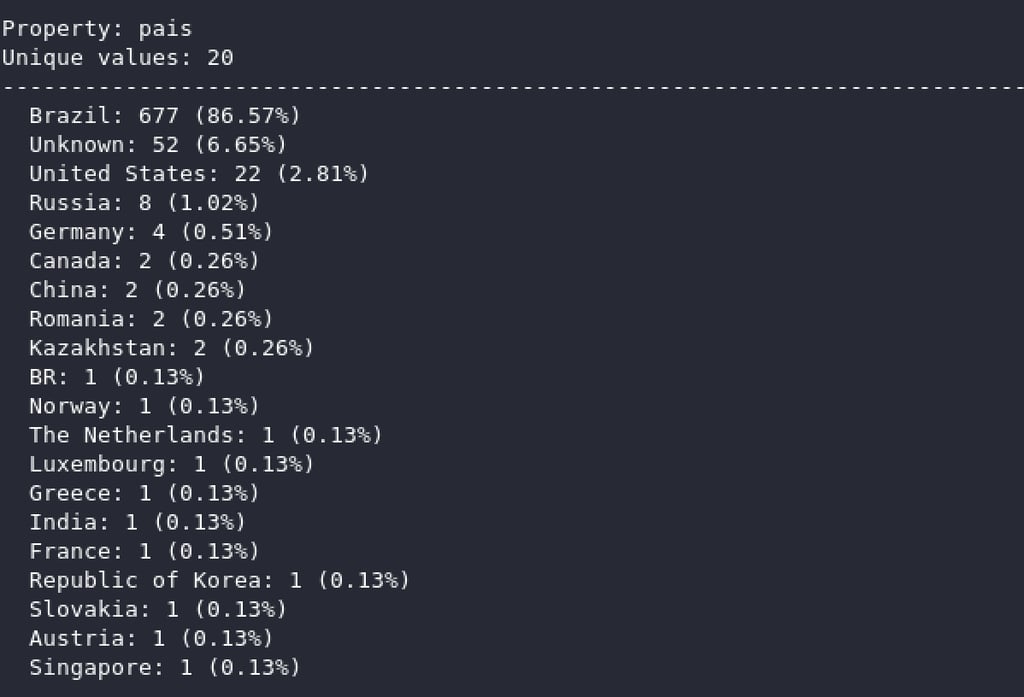
- Geographic locations (city and country)
The server revealed that attackers primarily targeted Brazilian banks.
The scale of the operation
The exposed server showed infections across over 700 POS terminals in more than 20 countries, with Brazil bearing the brunt of the campaign. The distribution data revealed that attackers focused heavily on retail and service businesses using Windows-based POS systems.
Because the targets are actively used POS terminals processing daily transactions, the dataset of stolen cards likely grew continuously throughout the campaign. Each compromised terminal functioned as an ongoing data collection point, harvesting card information from every customer transaction.
Our researchers reported their findings to Brazil's Computer Emergency Response Team (CTIR) on September 8th, 2026. The exposed server was observed closed on August 31st, 2026.
Risks for cardholders and businesses
At least a million cardholders face potential financial fraud, including unauthorized purchases and account takeovers. The risk depends on individual banks' fraud detection systems and cardholder protection policies.
Cardholders may experience financial damages depending on their issuing bank's fraud protection policies and how quickly fraudulent transactions are detected and reported.


Stay updated with our latest stories and follow us on social media
Be the first to discover new stories, ideas, and updates from our team.
The attack demonstrates how neglecting software updates can enable large-scale exploitation across entire industries. The bug the attacker exploited was publicly known and patched in December 2024, yet hundreds of POS terminals remained vulnerable nearly two years later.
POS systems often run on legacy infrastructure with infrequent update cycles. Businesses may delay patches due to operational concerns, compatibility testing requirements, or simply lack of awareness about security updates. However, attackers actively scan for and exploit these unpatched systems.
The public availability of proof-of-concept exploit code for CVE-2024-49138 lowered the technical barrier for attackers. The threat actor in this case adapted existing code rather than developing novel exploits, demonstrating that even moderately skilled attackers can leverage known vulnerabilities against unpatched systems.