Claude Code may have found a planet hiding in NASA's data
AI agents are democratizing scientific discovery.
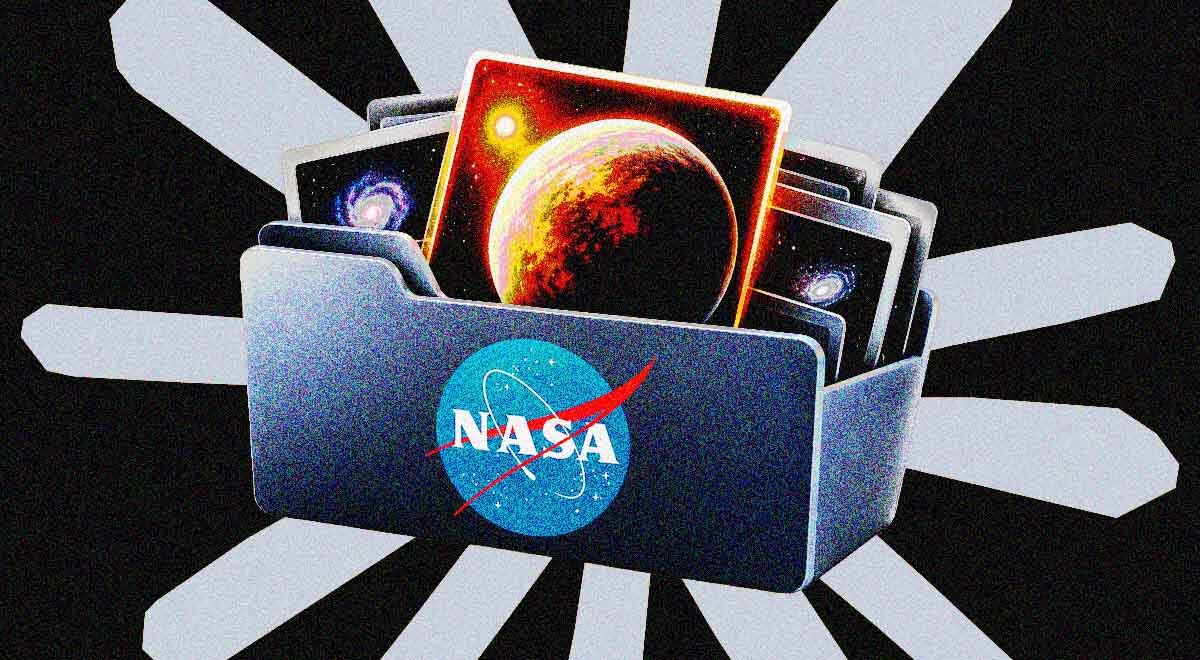
Claude may have helped to discover a planet. Image by Cybernews.

 Follow us
- A developer used Claude Code and Codex to identify a possible planet in NASA telescope data.
- NASA has scheduled follow-up observations, but the candidate remains unconfirmed.
- The signal appears about 116 light-years away and repeats every 3.18 days.
- The case shows how AI tools can help non-experts explore public scientific data.
Key Takeaways by nexos.ai, reviewed by Cybernews staff.
A developer says that he used Anthropic's Claude Code and OpenAI's Codex to identify a possible exoplanet. He submitted his findings to NASA, which has scheduled follow-up observations to test his claims.
The potential planet is about 116 light-years away. Every 3.18 days, its host star appears to dim by roughly 0.05% for about 2 hours. That tiny dip in brightness could indicate a planet passing in front of the star, briefly blocking some of its light.
The developer, Pavel Rabtsevich, spotted the pattern in observations made by NASA's Transiting Exoplanet Survey Satellite (TESS) space telescope from 2025, then traced it back through separate datasets from 2020 and 2018. If a planet were causing the dimming, it would be about 1.4 times Earth's size.
Finding a pattern in old telescope data is one thing – establishing that it represents a real planet is another. Rabtsevich says he used AI agents to put the candidate through dozens of tests, including checks for nearby stars, instrumental glitches, and other phenomena that can mimic a planetary transit.



From code assistants to space detectives
The candidate remains unconfirmed as of now. But NASA's decision to schedule new observations based on Rabtsevich’s findings marks a sharp shift in how individuals can interact with deep space archives.
The investigation illustrates how AI coding agents can take on more than code generation. Developers increasingly use these tools to write and run tests, debug problems, and automate repetitive tasks.
Rabtsevich applied that same approach to a different problem: processing telescope observations, testing competing explanations, and checking whether a suspected planetary signal appeared across multiple years of data.
Rabtsevich says he spent about 2 weeks on the investigation, running 74 analyses and writing more than 1,000 scripts. Claude Code helped him process the TESS data, write analysis scripts, fit potential planetary transits, and check alternative explanations.
OpenAI's Codex and separate AI sessions reviewed parts of the work.
While AI has already found a place in astronomical research, the latest case differs because the research here isn’t conducted by a professional astronomer. It offers a glimpse of how these tools could open public scientific datasets to curious individuals, making complex data exploration far more accessible to anyone with a well-crafted prompt.