Dutch government creates its own Linux-based productivity system
It will replace both Microsoft 365 and Windows.
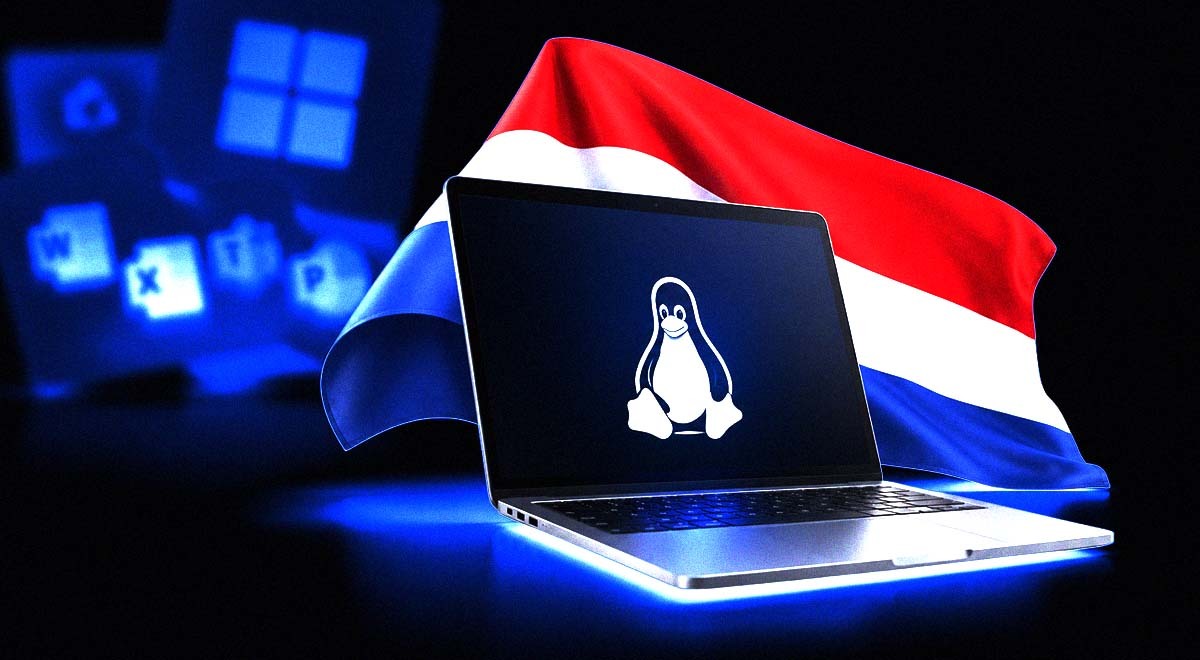
Image by Cybernews

- The Dutch government is testing DAWO, a Linux-based workspace for public-sector employees.
- DAWO includes tools for office work, collaboration, online storage, backups, and IT administration.
- The system aims to reduce Dutch dependence on Microsoft products and US cloud services.
- The effort follows growing Dutch concerns about US access to European government data.
Key Takeaways by nexos.ai, reviewed by Cybernews staff.
A new digital work environment encompasses sovereign alternatives to the Windows operating system, the Microsoft productivity suite, and cloud services.
Developers gave Tweakers, a Dutch-Belgium technology news website, a behind-the-scenes look at the Digital Autonomous Government Work Environment (DAWO), which is already implemented on a small scale at Dutch government bodies.
The system is based on the Dutch Linux distribution NixOS, which is built around the Nix package manager that runs on Linux, Unix, macOS, and Microsoft’s Windows Subsystem for Linux.
The DAWO includes software for office work and collaboration, online storage, backup, and system administration by IT departments, according to a Tweakers’ report that Cybernews machine-translated.




While the system rests on classic open-source elements, developers are also focusing on making the environment easily accessible to ordinary users and administrators.




Stay updated with our latest stories and follow us on social media
Be the first to discover new stories, ideas, and updates from our team.
There is no formal deadline yet for the DAWO implementation.
Severing ties with the US tech
The Netherlands is one of the leaders of European digital sovereignty efforts, which intensified during the second term of Donald Trump’s presidency.
While European nations share similar concerns about their dependence on the US, the Dutch have experienced more direct consequences of overreliance on American technologies than any of their neighbors.
After the US imposed sanctions on Karim Khan, a prosecutor at the Hague-based International Court of Justice (ICC), Microsoft reportedly blocked access to his email, allegations the tech giant denies.
In 2026, Microsoft was accused of leaking data of Dutch civil servants working on the EU’s tech regulations to the US House of Representatives. The data included emails, minutes, and invitations sent by the civil servants, with their names unredacted.
The incident suggests that European concerns about data privacy may not be overblown.
US laws, such as the Cloud Act, compel American companies to hand over data requested by its law enforcement, regardless of where it is stored and the nationality of individuals in question.
As a result, the Dutch government and businesses have launched initiatives to reduce their dependence on US tech, a trend observed in other European countries.
The ICC switched from Microsoft to an open-source productivity suite, openDesk, while the government signed an agreement with German cloud provider, StackIT, enabling easier adoption of European cloud alternatives across its agencies.
Seven Dutch cloud providers signed an agreement in April 2026 aimed at strengthening their position against American cloud giants in competition for government contracts.