Google working on camera-based tool to predict insulin resistance
This goes way beyond your usual selfies.
Image by Cybernews

 Follow us
- Google is developing PhotoScan, a smartphone camera tool to estimate body composition and flag possible insulin resistance.
- The AI model compares phone images with DXA scan data, aiming for near-DXA accuracy without clinical scanning equipment.
- Google says DXA scans are accurate but hard to scale, while common BIA sensors provide only basic body-fat estimates.
- Google has not announced a PhotoScan release date, but Pixel Watch 5 already tracks insulin resistance trends using health data.
Key Takeaways by nexos.ai, reviewed by Cybernews staff.
Google is expanding its smartphone camera features, including the ability to take a quick photo to estimate your body composition.
Google is working on PhotoScan, a feature that would allow users to get a body scan by just taking a picture of themselves to help find concerning health patterns, such as diabetes.
The feature has been developed by using images taken with a smartphone camera and comparing them with DXA scans (also known as DEXA scans), which are used to determine a person’s bone density and measure body fat and muscle.
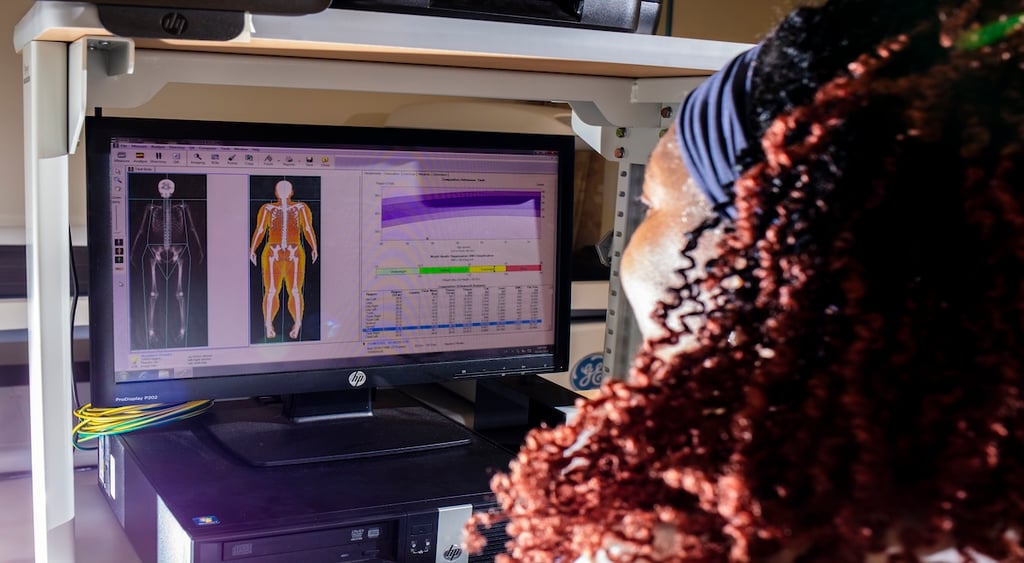






By taking these scans and other relevant information, it then runs it through an AI model, which, according to the research blog, is now capable of achieving “strong DXA agreement” when assessing body fat and other metrics, “enabling near-DXA accuracy for predicting insulin resistance.”
Google research also noted that while DXA scans are considered accurate for body composition, they lack “scalability.” Meanwhile, Bioelectrical Impedance Analysis (BIA) sensors can only estimate basic body fat percentage.
The company didn’t say when the feature will become available for broader use.
While you wait for PhotoScan
Google has recently released the Pixel Watch 5, which comes with Insulin Resistance Trends, one of Pixel’s Health Guardian features.
“Insulin Resistance Trends analyzes multi-week physiological data to track shifts in your metabolic health without requiring a single drop of blood,” explained Google.



Stay updated with our latest stories and follow us on social media
Be the first to discover new stories, ideas, and updates from our team.
The feature tracks blood sugar spikes, showing them month by month, allowing users to adjust their sleep, movement, or eating habits to maintain their weight or manage diabetes.
Another company that provides devices with built-in BIA sensors is Samsung.
The company first released a device with a BIA sensor in 2021, when it released the Samsung Galaxy Watch 4 series.