Your pacemaker data can be used as evidence against you
Your pacemaker can save your life, but won’t protect you from prosecution. As a recent case has shown, law enforcement can use your heartbeat data against you in court.
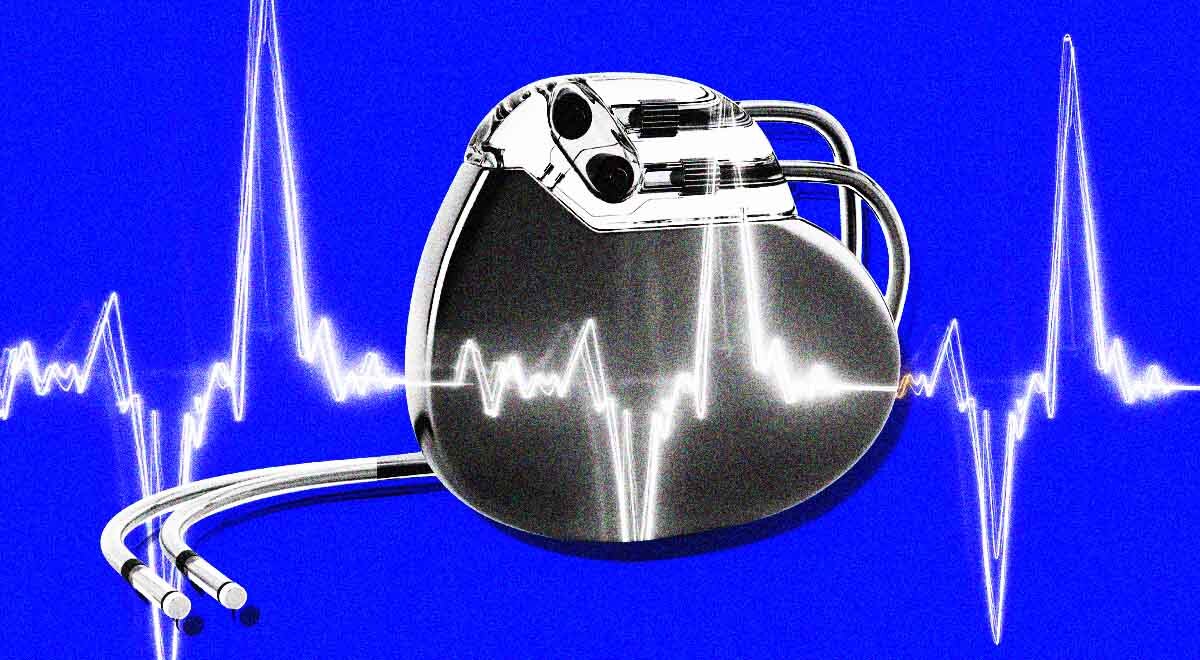
Image by Cybernews

 Follow us
Your pacemaker can save your life, but won’t protect you from prosecution. As a recent case has shown, law enforcement can use your heartbeat data against you in court.
Andrew Guthrie Ferguson, a professor of law at the George Washington University Law School, recently appeared on the Solove on Tech podcast, where he shared a story of how a person’s smart pacemaker data was used as evidence against them.
Data collected by the life-saving medical device, which tracks heart rhythm, is available to the patient and stored in a digital file at the doctor’s office.






After the person’s house burned down, detectives started an investigation on suspicion that they themselves were responsible for the arson to collect insurance money.





Detectives obtained a warrant to access the accused’s pacemaker data, which was used against them in court.
“They had a recognition that this heartbeat might disprove the story, and it did,” Ferguson said.
Ferguson argued that while we can recognize that pacemakers are a good technology and that law enforcement may need this data for investigations, we may also not want our most intimate details, such as heart rate, available to be used against us.
Concerns about sensitive health data being used against users of smart tracking devices aren’t new.
When the Supreme Court overturned Roe vs Wade, stripping away federal protection of abortions, pregnancy termination was criminalized in some US states.
This means that everything you create in a digital world – and that’s a lot of things – and almost everything you do is mediated through a digital third party and is available to the police.Andrew Guthrie Ferguson
Advocates then warned that data collected by period-tracking apps could potentially be used as evidence to support a criminal loss of pregnancy, even in the case of miscarriage.
Ferguson said that with a warrant, police can access all sorts of sensitive data – from “deepest dark secrets” written in a digital diary to data collected by your smart bed.
The Cybernews community is talking about this. Be a part of the conversation.
He said, “This means that everything you create in a digital world – and that’s a lot of things – and almost everything you do is mediated through a digital third party and is available to the police.”
An Australian judge ruled in 2024 that the iPhone’s Health app cannot be used as evidence as part of a murder trial. The step count of Bahra Youseff, who was found guilty of murdering Adnan Salameh, indicated he was in the vicinity of the crime scene when it occurred.
However, the judge said that step count data was “not necessarily an accurate representation” of the steps taken by the person with the iPhone.
Unlock more exclusive Cybernews content on YouTube.